
Gum disease is one of the most common oral health problems affecting adults in the United States. It often begins as mild inflammation (gingivitis) but can progress into a serious infection and tooth loss if left untreated. The good news? With the right dental care routine and guidance from a dental expert, gum disease is largely preventable.
In this blog, we’ll break down what causes gum disease, how to recognize early signs, and five easy, proven ways to keep your gums healthy for life.
What Is Gum Disease?
Gum disease, also known as periodontal disease, is an infection of the tissues that support your teeth. It typically starts with plaque buildup—a sticky film of bacteria that forms on teeth after eating.
If plaque isn’t removed through proper brushing and flossing, it hardens into tartar, leading to inflammation, bleeding gums, and eventually more severe conditions like periodontitis.
Common Signs of Gum Disease
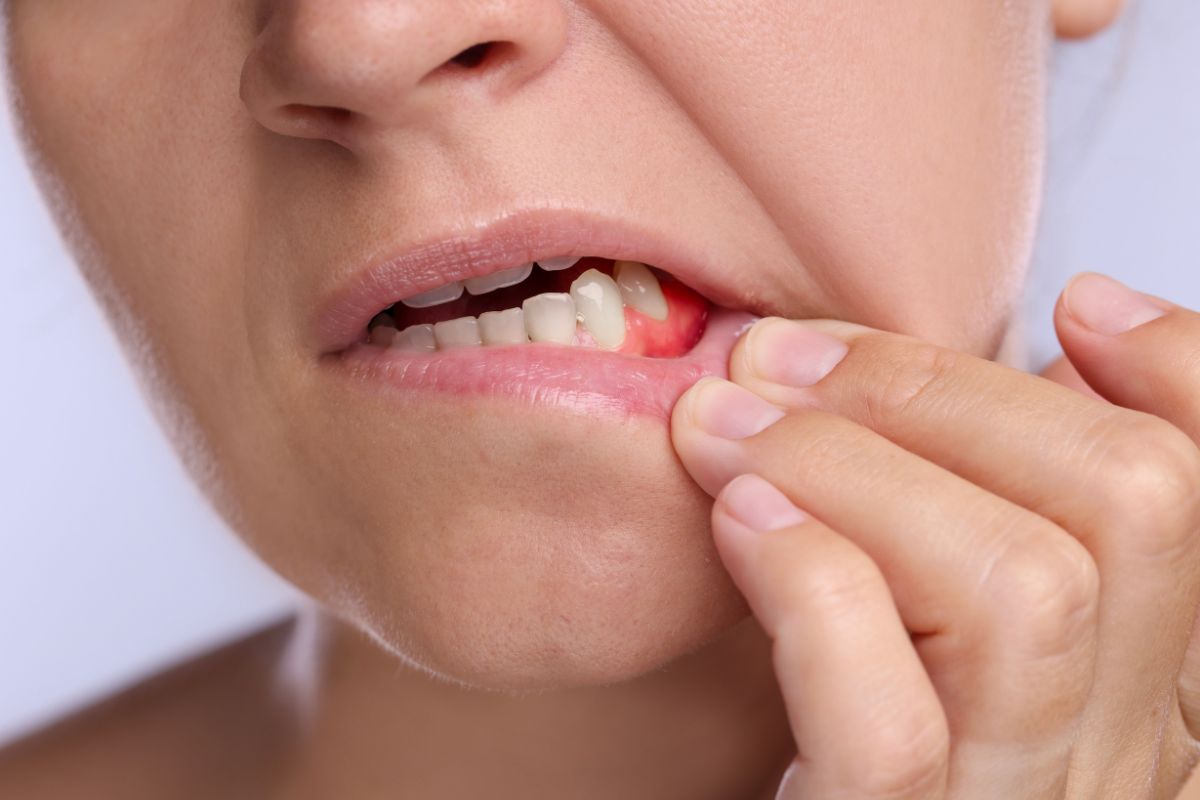
- Red, swollen, or tender gums
- Bleeding while brushing or flossing
- Persistent bad breath
- Receding gums
- Loose teeth
Early detection is key. Visiting a dentist at the first sign of symptoms can help reverse the condition before it worsens.
Why Preventing Gum Disease Matters
Gum disease doesn’t just affect your mouth—it can impact your overall health. Studies suggest links between periodontal disease and conditions like heart disease and diabetes.
Preventive dental care is not only easier and less expensive than treatment, but it also protects your long-term well-being.
5 Easy Ways to Prevent Gum Disease
1. Brush Properly Twice a Day
Brushing your teeth at least twice daily is your first line of defense against gum disease. Use a soft-bristled toothbrush and fluoride toothpaste, and brush for at least two minutes each time.
Make sure to clean along the gumline, where plaque tends to accumulate. Consistent brushing helps remove bacteria and prevent inflammation.
Pro Tip: Consider using an electric toothbrush for more effective plaque removal.
2. Floss Daily to Remove Hidden Plaque
Flossing is essential because it cleans areas your toothbrush can’t reach—between teeth and under the gumline.
Daily flossing removes trapped food particles and plaque, reducing your risk of gum disease significantly.
If traditional floss is difficult to use, try interdental brushes or floss picks recommended by your dental expert.
3. Use an Antibacterial Mouthwash
Adding a therapeutic mouthwash to your routine can help reduce plaque and control bacteria that cause gum disease.
Mouthwash also helps freshen breath and reach areas missed during brushing and flossing. However, it should never replace brushing—it’s a supplement to your routine.
4. Schedule Regular Dental Checkups
Even with excellent at-home dental care, professional cleanings are essential. Dentists remove hardened tartar that cannot be eliminated with brushing alone.
Experts recommend visiting your dentist every 6–12 months for checkups and cleanings.
Routine visits allow early detection of gum disease and ensure timely therapy if needed.
5. Maintain a Healthy Lifestyle
Your lifestyle choices directly affect your gum health.
- Eat a balanced diet rich in vitamins and minerals.
- Limit sugary foods and drinks.
- Avoid smoking or tobacco use.
- Stay hydrated.
Smoking, in particular, weakens your immune system and makes it harder for your gums to heal.
A healthy lifestyle supports your body’s ability to fight infections and maintain strong, healthy gums.
When Do You Need Gum Disease Therapy?
If gum disease has already developed, early treatment is essential. Professional gum disease therapy may include:
- Deep cleaning (scaling and root planing)
- Antibacterial treatments
- Ongoing periodontal maintenance
These treatments remove bacteria below the gumline and help your gums heal effectively.
The sooner you seek care, the better your chances of reversing damage and avoiding tooth loss.
Simple At-Home Tips to Support Gum Health
In addition to the five main steps, here are a few extra tips to enhance your dental care routine:
- Replace your toothbrush every 3 months.
- Rinse with saltwater to reduce inflammation.
- Eat vitamin C-rich foods to support gum healing.
- Stay consistent with your oral hygiene routine.
These small habits can make a big difference in preventing gum problems.
When to Visit Our Dental Office
If you notice symptoms like bleeding gums, persistent bad breath, or gum sensitivity, don’t ignore them. Early intervention can prevent serious complications.
Make it a priority to visit our dental office for a thorough evaluation and personalized treatment plan tailored to your needs.
Take Charge of Your Gum Health Today
Preventing gum disease doesn’t require complicated routines—just consistency and the right guidance from a dental expert. By following these simple steps, you can protect your smile and avoid costly treatments in the future.
Ready to improve your oral health? Visit Gold Coast Family Dental of Port Washington today to book an appointment and experience expert gum disease therapy tailored just for you.
FAQs
1. Can gum disease be reversed?
Yes, early-stage gum disease (gingivitis) can be reversed with proper dental care and professional cleanings.
2. How often should I visit a dentist?
Most patients should see a dentist every 6–12 months for cleanings and exams, or more frequently if recommended.
3. Are bleeding gums normal?
No, bleeding gums are often a sign of inflammation or gum disease and should be evaluated by a dental expert.
4. What is the main cause of gum disease?
The primary cause is plaque buildup due to poor oral hygiene, which leads to bacterial infection.
5. Does mouthwash prevent gum disease?
Mouthwash helps reduce bacteria and plaque, but it should be used alongside brushing and flossing—not as a replacement.