
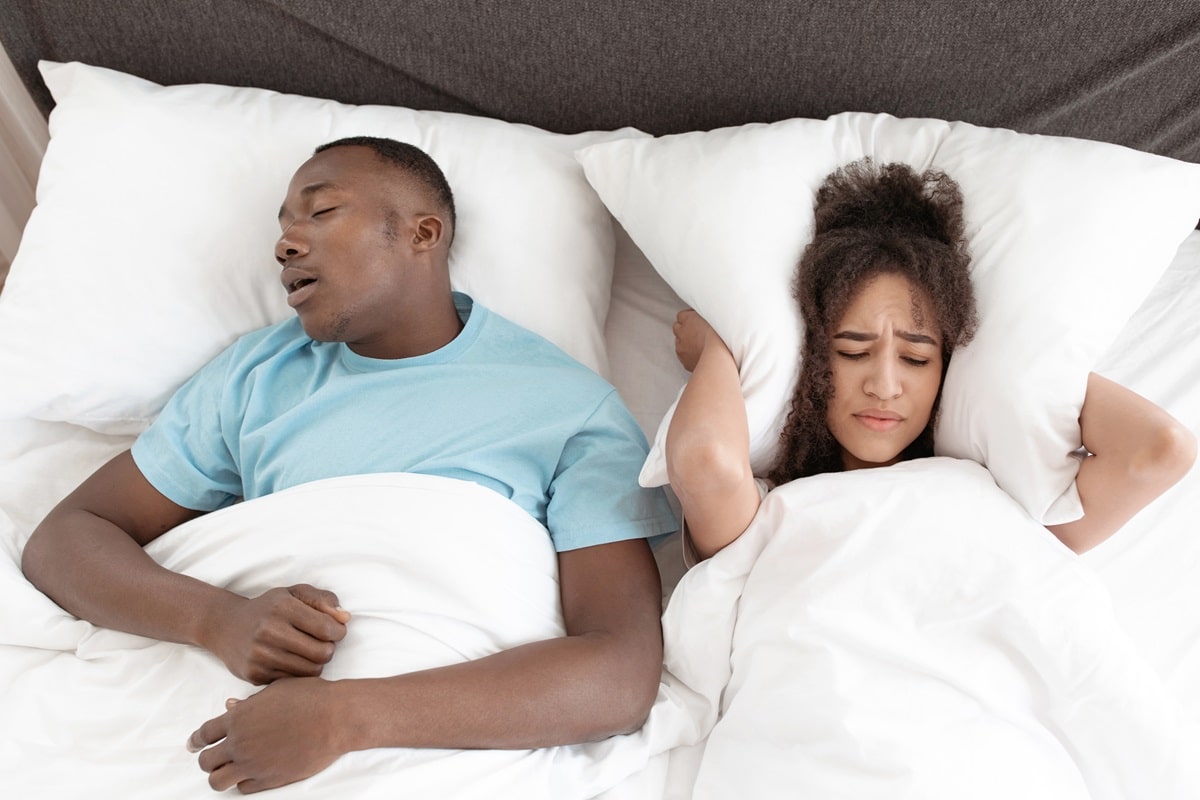
For many people, snoring is a comical, albeit irritating, part of their nightly routine or a partner’s. We joke about it, nudge the person next to us, or invest in a good pair of earplugs. But what if that nightly rumble is more than just a noisy nuisance? What if it’s a symptom of a serious health condition known as sleep apnea?
This blog post will unravel the complexities of sleep apnea, distinguish it from simple snoring, and explain why recognizing its signs is crucial for long-term health.
The Difference Between Simple Snoring and Sleep Apnea
Snoring is the sound of air struggling to move through a narrowed airway. It is caused by the vibration of soft tissues in the throat. Simple snoring is often harmless and can result from various factors, such as a cold, alcohol consumption, or sleeping position.
Sleep apnea, however, is an entirely different beast. The term “apnea” means “cessation of breathing.” In sleep apnea, the airway becomes completely blocked, causing breathing to stop and start repeatedly throughout the night. This isn’t just a brief pause; these episodes can last for ten seconds or more and can occur hundreds of times a night.
The most common type is Obstructive Sleep Apnea (OSA), where the muscles in the throat relax and collapse, blocking the airway. Central Sleep Apnea (CSA) is less common and occurs when the brain fails to send the proper signals to the muscles that control breathing.
Recognizing the Warning Signs: It’s Not Just About Noise
While loud, chronic snoring is a hallmark of sleep apnea, it’s not the only one. Many individuals with sleep apnea, or their partners, also notice:
- Gasping or choking sounds during sleep: These are the sounds of the person trying to breathe again after an apneic episode.
- Daytime sleepiness: The fragmented sleep caused by constant awakenings leads to severe fatigue, no matter how many hours you sleep.
- Morning headaches: This can be due to the blood’s lower oxygen levels and higher carbon dioxide levels during apneic events.
- Difficulty concentrating and memory problems: Chronic sleep deprivation significantly impacts cognitive function.
- Irritability and mood swings: The emotional toll of poor sleep can manifest as mood disturbances.
- High blood pressure (Hypertension): This is a significant link and a key reason why untreated sleep apnea is so dangerous.
The Hidden Dangers: How Sleep Apnea Harms Your Body
The real danger of sleep apnea lies in its systemic effects. The repeated cycles of oxygen deprivation and the “fight or flight” response triggered by these events put immense stress on your cardiovascular system.
- Cardiovascular Disease: The constant fluctuations in oxygen levels and blood pressure strain the heart, increasing the risk of heart attack, stroke, and irregular heartbeats (arrhythmias).
- High Blood Pressure: Each time your breathing stops, your body releases stress hormones that constrict blood vessels, causing your blood pressure to spike. Over time, this can lead to chronic hypertension.
- Type 2 Diabetes: Sleep apnea can cause insulin resistance, making it harder for your body to use glucose effectively, thereby increasing the risk of developing Type 2 diabetes.
- Weight Gain: The hormones that regulate appetite, ghrelin and leptin, are thrown out of balance by poor sleep. This can lead to increased hunger and a preference for high-calorie foods, contributing to weight gain and creating a vicious cycle, as obesity is a major risk factor for sleep apnea.
- Liver Problems: Non-alcoholic fatty liver disease (NAFLD) is more common in people with sleep apnea.
Seeking a Diagnosis and Treatment
If you or a loved one is experiencing sleep apnea symptoms, it’s crucial to consult a doctor. The diagnosis is typically made through a sleep study, known as a polysomnogram, which monitors various bodily functions during sleep.
Fortunately, sleep apnea is a treatable condition. For some patients, a specialized appliance can be a comfortable and effective alternative to a CPAP machine. A qualified dentist can evaluate your suitability for this treatment and custom-fit an appliance. If you’re concerned about your snoring and its potential link to sleep apnea, we invite you to visit our dental office for a consultation.
Conclusion: Don’t Dismiss the Snore
Ignoring loud snoring can be a grave mistake. It’s a key indicator of a condition that silently wreaks havoc on your body. You can protect yourself from serious health consequences by understanding the difference between simple snoring and sleep apnea, recognizing the warning signs, and seeking timely medical advice. Don’t let a noisy night lead to a lifetime of health problems. Take your sleep seriously, because it’s more than just annoying—it could be life-threatening. It’s a great first step toward better sleep and overall health. You can book an appointment on our website or by calling us.