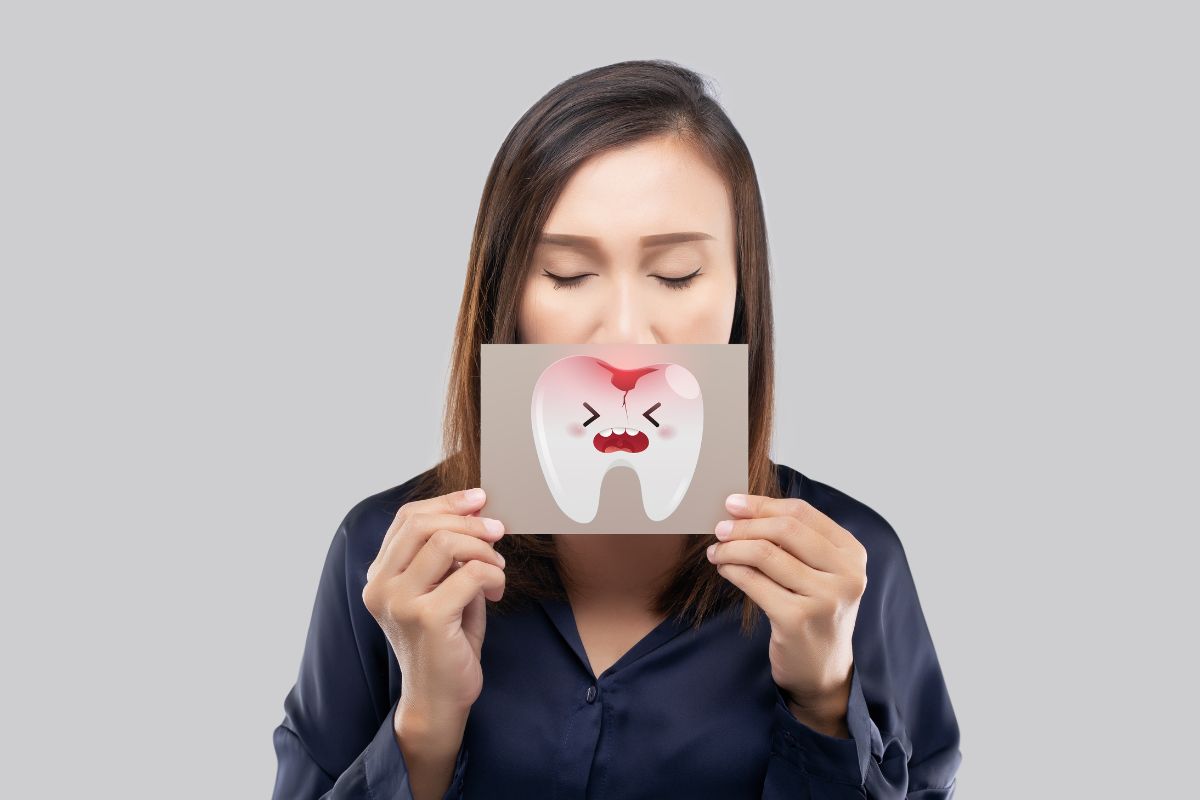


A cracked tooth isn’t something that will heal on its own — and if ignored, a small crack can become a big problem. Whether it happened from biting something hard or an accidental injury, knowing what to do next can save your natural tooth and prevent pain and infection.
What is a Cracked Tooth?
A cracked tooth is a fracture in the surface of your tooth that can range from tiny hairline cracks to more serious breaks extending deep into the tooth. Cracks may not always be visible, but you’ll often notice symptoms like pain when chewing, sensitivity to hot or cold, or discomfort when releasing bite pressure.
There are several types of cracks, including:
- Craze lines – tiny surface cracks that typically don’t need treatment.
- Vertical cracks – run from the chewing surface toward the root and can worsen over time.
- Split or fractured teeth – more serious breaks that often require repair or extraction.
Common Causes of a Cracked Tooth
Cracks can develop from:
- Biting down on hard food or objects
- Dental trauma from falls or sports injuries
- Teeth grinding (bruxism) over time
- Large existing fillings that weaken the tooth structure
Signs You May Have a Cracked Tooth
Watch for these symptoms:
- Sharp pain while chewing or biting
- Sensitivity to hot or cold foods
- Pain that comes and goes without an obvious trigger
- A visible line on the tooth surface
- Swelling around the gum line near the tooth
If you’re experiencing these symptoms, don’t wait — this is where emergency dental care can make all the difference.
What To Do Right Away
If you suspect you have a cracked tooth:
1. Rinse and Protect
Rinse your mouth gently with warm water and avoid chewing directly on the affected tooth. If the crack has created a jagged edge, you can cover it temporarily with dental wax or sugar-free gum to protect your tongue and cheek.
2. Manage Pain and Swelling
Use a cold compress on your cheek near the painful area and consider over-the-counter pain relievers per instructions. Keep in mind these measures offer temporary relief, not a fix.
3. Call for Emergency Dental Care
A cracked tooth can quickly become infected or lead to complications if left untreated. Pain that’s severe, prolonged, or accompanied by swelling should prompt you to contact an emergency dentist right away.
Why Prompt Treatment Matters
Cracks allow bacteria to enter the inner part of the tooth, which can lead to infection, abscess, and even tooth loss if ignored. A dentist can determine the right course of action — whether that’s bonding, a dental crown, root canal therapy, or other treatment.
Skipping or delaying care increases the risk of:
- More extensive damage
- Infection spreading to the gums and bone
- More costly procedures later
Treatment Options
When you visit our dental office, we’ll evaluate the extent of damage and recommend the best solution. Common treatments include:
- Dental bonding for minor cracks
- Crowns to protect and strengthen the tooth
- Root canal therapy if the pulp is affected
- Tooth extraction in severe cases where the tooth can’t be saved
Your dentist will explain your options and help you decide the best path forward for your smile.
Ready to Take Action?
If you think you have a cracked tooth, the sooner you get care, the better your chances of saving your natural tooth. Don’t wait until the pain worsens — book an appointment now to have your tooth evaluated by a professional who understands emergency dental needs.