
We have all heard it at some point during a routine checkup: “Watch out for your enamel, or you’ll end up with a cavity.” But what happens if the damage is already done? Can your body naturally repair the hard outer shell of your teeth, or once it is gone, is it gone for good?
If you are researching this topic, you are likely noticing some tooth sensitivity when sipping iced coffee or perhaps a slight translucent look along the edges of your front teeth. Understanding how tooth enamel works is the first step toward protecting your smile for the long haul. Let’s dive into the science of enamel, what happens when it wears down, and how you can protect what you have left with the help of a trusted dentist.
What is Tooth Enamel, Anyway?
To understand whether enamel can grow back, we first need to look at what it actually is. Tooth enamel is the outermost layer of your teeth. It is a marvel of biology; in fact, it is the hardest, most mineralized substance in the human body, even outranking bone.
Composed primarily of hydroxyapatite (a crystalline structure of calcium and phosphate), enamel acts as your body’s personal suit of armor. It shields the softer, more sensitive inner layers of your tooth, dentin and pulp, from the daily wear and tear of chewing, biting, and exposure to hot and cold temperatures.
Despite its incredible toughness, enamel has one major vulnerability: it contains no living cells.
Because enamel has no living cells or blood supply, it cannot regenerate or heal itself the way a broken bone or a scraped skin cell does. Once a piece of enamel is completely lost or eroded away, your body cannot naturally grow a brand-new layer.
The Difference Between Enamel Erosion and Remineralization
While it is true that lost enamel cannot magically grow back from scratch, there is a silver lining. Enamel undergoes a constant natural tug-of-war every single day through two opposing processes: demineralization and remineralization.
1. Demineralization (The Breakdown)
Every time you eat or drink, especially sugary or acidic foods like citrus fruits, soda, coffee, and wine, the bacteria living in your mouth feed on those sugars and produce acid. This acid strips essential minerals (like calcium and phosphate) out of your enamel, weakening the crystalline structure. This early stage of mineral loss is known as an “incipient caries” or a weak spot.
2. Remineralization (The Recovery)
Fortunately, your body fights back. Saliva acts as your mouth’s natural defense mechanism. It is packed with minerals like calcium and phosphate, and it helps neutralize harmful acids. When your saliva washes over your teeth, it can redeposit these vital minerals back into the weakened enamel structure, effectively repairing microscopic wear and tear. Fluoride, found in toothpaste and tap water, supercharges this process by binding with minerals to create an even tougher acid-resistant surface.
So, while mature, fully destroyed enamel cannot grow back, early-stage mineral depletion can be reversed through proper dental care and remineralization therapies.
Common Signs Your Enamel is Eroding
Catching enamel loss early is critical because you want to stop the damage before it progresses into full-blown tooth decay, cracking, or sensitivity. Watch out for these common warning signs:
- Increased Sensitivity: If hot, cold, sweet, or acidic foods and drinks start causing a sharp twinge of pain, your enamel has thinned, exposing the microscopic pathways (tubules) leading straight to the nerve-rich dentin underneath.
- Discoloration: Healthy enamel is relatively white, but as it thins out, the yellowish dentin underneath starts to show through, making your teeth look yellow or dull.
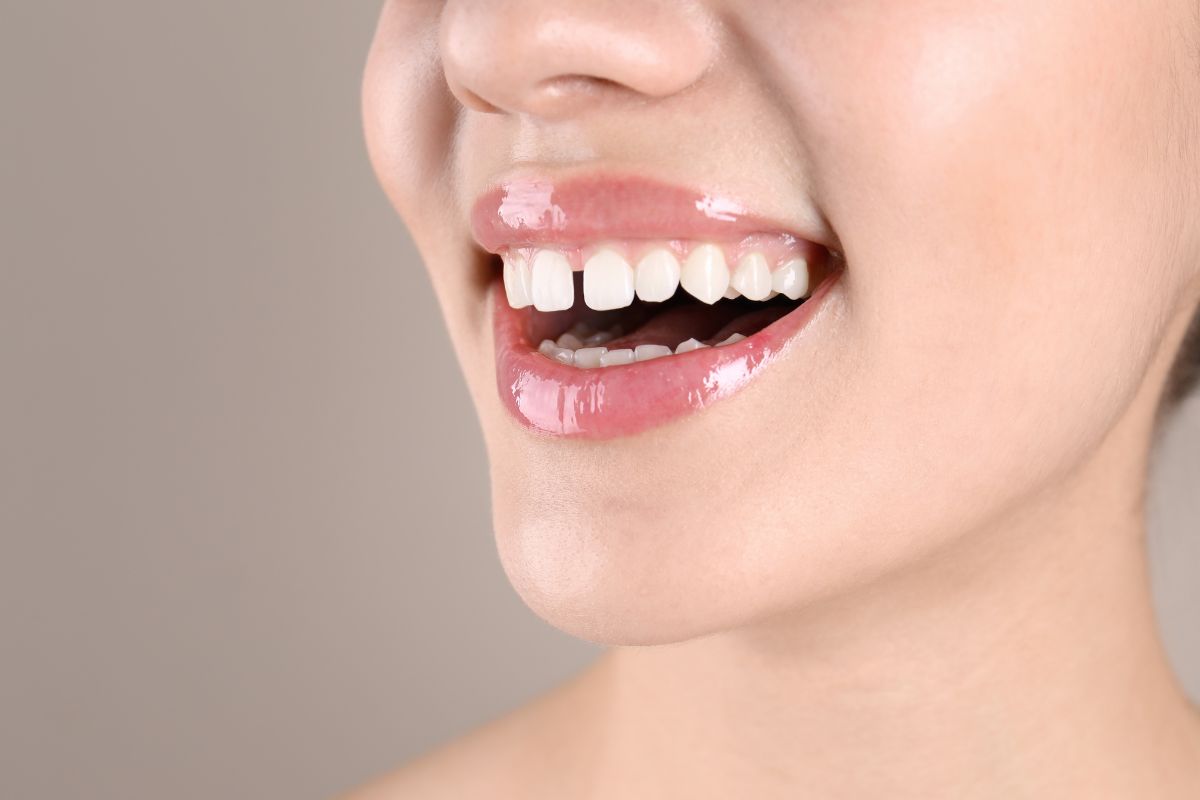
- Rounded or Transparent Edges: Teeth with healthy enamel have distinct, crisp edges. If your front teeth look slightly translucent or glassy near the biting edge, your enamel is wearing thin.
- Cupping or Cracks: You might notice tiny indentations (cups) forming on the chewing surfaces of your back teeth, or rough, jagged edges that seem prone to chipping.
What Causes Enamel Loss?
Enamel erosion typically happens gradually over time due to a combination of lifestyle habits, diet, and genetics. The primary culprits include:
- Acidic Diets: Frequent consumption of sodas, sports drinks, citrus juices, vinegar-based dressings, and sour candies.
- Dry Mouth (Xerostomia): Saliva is essential for washing away food particles and neutralizing acids. If you suffer from dry mouth due to medications or medical conditions, your risk of enamel erosion skyrockets.
- Acid Reflux (GERD) or Vomiting: Stomach acid is exceptionally strong. Conditions like acid reflux, chronic heartburn, or eating disorders expose teeth to harsh gastric acids that rapidly dissolve enamel.
- Teeth Grinding (Bruxism): Clenching or grinding your teeth while sleeping puts immense physical pressure on your teeth, causing microscopic fractures and mechanical wear.
- Aggressive Brushing: Brushing too hard with a stiff-bristled toothbrush can actually wear away weakened enamel over time.
How to Protect and Strengthen Your Existing Enamel
Since you cannot regrow lost enamel, prevention and proactive care are your absolute best lines of defense. You can safeguard your smile by incorporating these habits into your daily routine:
- Upgrade Your Oral Hygiene Routine: Brush twice a day with a soft-bristled toothbrush and a fluoride toothpaste. Consider switching to an electric toothbrush, which removes plaque efficiently without requiring harsh scrubbing.
- Mind Your Diet and Timing: You don’t have to cut out coffee or citrus completely, but try to limit how long those acids sit on your teeth. Drink acidic beverages through a straw, and rinse your mouth out with plain water afterward.
- Wait Before Brushing: After eating something acidic, your enamel is temporarily softened. If you brush immediately, you can actually scrub away microscopic layers of softened minerals. Wait at least 30 minutes after an acidic meal before brushing.
- Boost Your Saliva Flow: Chew sugar-free gum (especially gum containing xylitol) after meals to stimulate saliva production and help neutralize lingering acids.
- Ask About Professional Treatments: During your routine cleanings, ask your dental team about professional-grade fluoride varnishes or remineralizing pastes that offer much higher concentration levels than over-the-counter products.
When Enamel Needs Restorative Care
If enamel erosion has already progressed past the point of remineralization, resulting in cavities, deep chips, or significant structural loss, preventative measures alone won’t be enough. This is where modern restorative dentistry comes in.
Depending on the severity of the damage, treatments can range from tooth-colored composite bonding to durable dental crowns that cap and protect compromised teeth. If you are experiencing structural wear or persistent sensitivity, it is always best to visit our dental office so our clinical team can evaluate your bite and recommend a customized plan to restore both function and aesthetics.
Restore Your Smile’s Strength Today
Tooth enamel may be tough, but it needs a little help to stand up against a lifetime of meals, stress, and daily wear. If you are worried about thinning enamel, nagging tooth sensitivity, or structural wear, you don’t have to figure it out alone.
Experience expert, patient-focused care right here in your community. Take charge of your long-term oral health and book an appointment with Gold Coast Family Dental of Port Washington today! Our friendly, multi-specialty team is here to help you keep your smile strong, healthy, and radiant for years to come.
Frequently Asked Questions About Tooth Enamel
1. Can coconut oil pulling or natural remedies restore enamel?
No. While oil pulling has some benefits for reducing overall oral bacteria and freshening breath, it cannot chemically restore minerals to depleted enamel or regrow lost tooth structure. True remineralization requires specific minerals like calcium, phosphate, and fluoride interacting directly with the tooth surface.
2. Is enamel loss reversible if caught early?
Yes! In the earliest stages, known as a “sub-surface lesion” where minerals have leached out but the physical structure hasn’t collapsed, remineralization can harden the enamel back up, effectively reversing the early decay process.
3. Does whitening damage your enamel?
When performed safely under professional supervision using high-quality materials, teeth whitening does not permanently damage your enamel. However, over-the-counter whitening strips or abrasive charcoal powders used improperly can cause temporary sensitivity or wear down weakened surfaces. Always consult a professional before starting any aggressive whitening regimen.