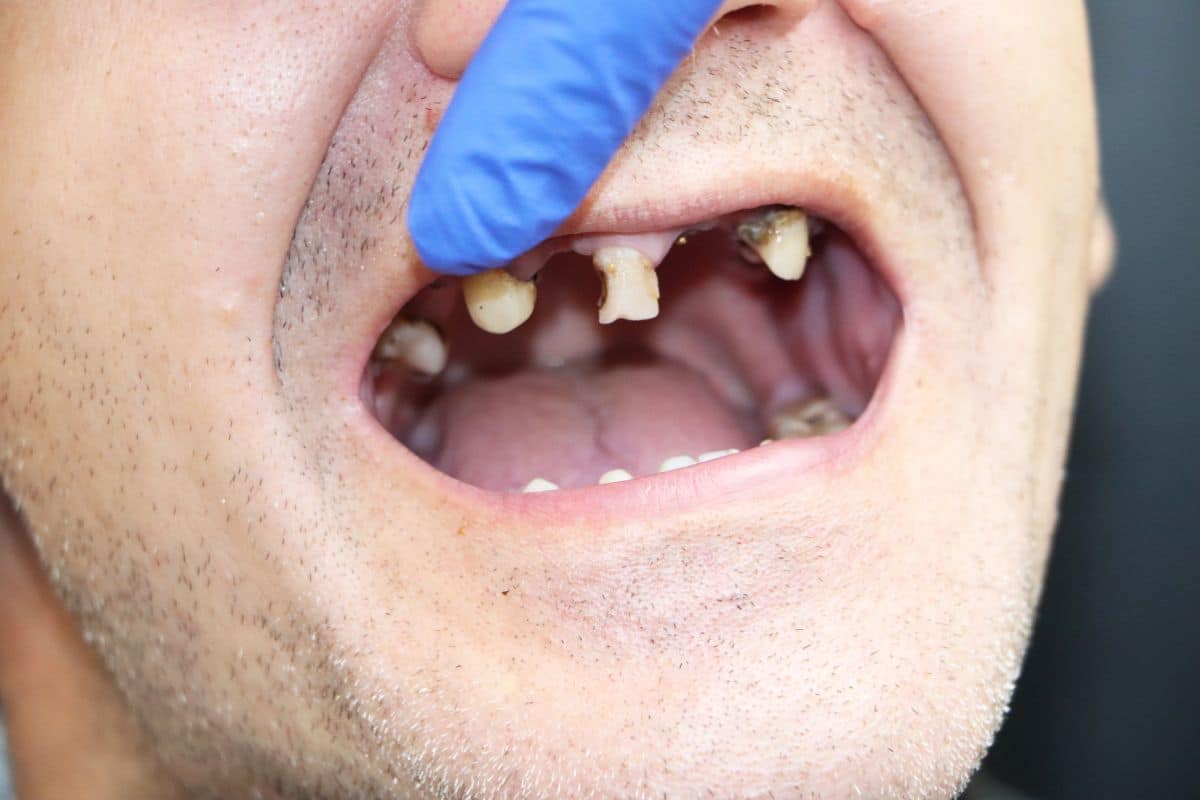


There is nothing quite like the joy of a crisp, refreshing iced coffee on a summer afternoon or a sweet scoop of your favorite ice cream after dinner. But for millions of people, that moment of joy is suddenly interrupted by a sharp, piercing jolt of pain. If you have ever found yourself wincing when a cold breeze hits your teeth or after taking a sip of chilled water, you aren’t alone.
Tooth sensitivity is one of the most common complaints we hear at our practice. It can be frustrating and even alarming, but the good news is that it is often manageable. In this guide, we will explore why your teeth might be reacting to cold temperatures and what you can do to find relief.
What Causes Tooth Sensitivity?
To understand why your teeth ache when exposed to cold, it helps to know how a tooth is built. Beneath the hard, protective outer layer of your teeth, the enamel, lies a softer layer called dentin. Dentin is filled with tiny, microscopic tubules that lead directly to the tooth’s nerve center (the pulp).
When enamel wears thin, or the gums recede, these tubules become exposed. As a result, external triggers, like cold beverages, ice cream, or even cold air, travel through these channels and stimulate the nerve, resulting in that familiar, sharp “zing” of pain.
Here are the most common culprits behind this sensitivity:
1. Worn Enamel
Over time, enamel can thin due to acidic foods, overly aggressive brushing, or simply the natural wear and tear of daily use. Once that protective barrier is compromised, your teeth become much more susceptible to temperature changes.
2. Receding Gums
Your gums serve as a protective seal for the roots of your teeth. If gum tissue pulls away (recession), the roots—which aren’t covered by enamel- become exposed. Because the roots are directly connected to the nerves, this can cause significant discomfort.
3. Cavities and Tooth Decay
Sometimes, sensitivity is a sign of a deeper issue. A cavity or an area of decay can weaken the tooth structure, allowing cold sensations to penetrate deeper into the tooth than they normally would.
4. Cracked or Chipped Teeth
A small crack in a tooth can act as a direct pathway for cold air or liquid to reach the sensitive inner nerves. Even if the crack is microscopic and invisible to the naked eye, it can cause noticeable pain.
5. Recent Dental Work
It is perfectly normal to experience some temporary sensitivity after a filling, crown, or deep cleaning. This usually subsides within a few days, but if it persists, it is always worth a check-up.
Quick Relief Strategies for Sensitive Teeth
If you are dealing with persistent discomfort, the best course of action is to visit our dental office for a professional evaluation. However, there are a few things you can try at home to manage the symptoms:
- Switch to Desensitizing Toothpaste: Many over-the-counter desensitizing toothpastes contain compounds that help block the microscopic tubules in your dentin, reducing the transmission of sensations to your nerves.
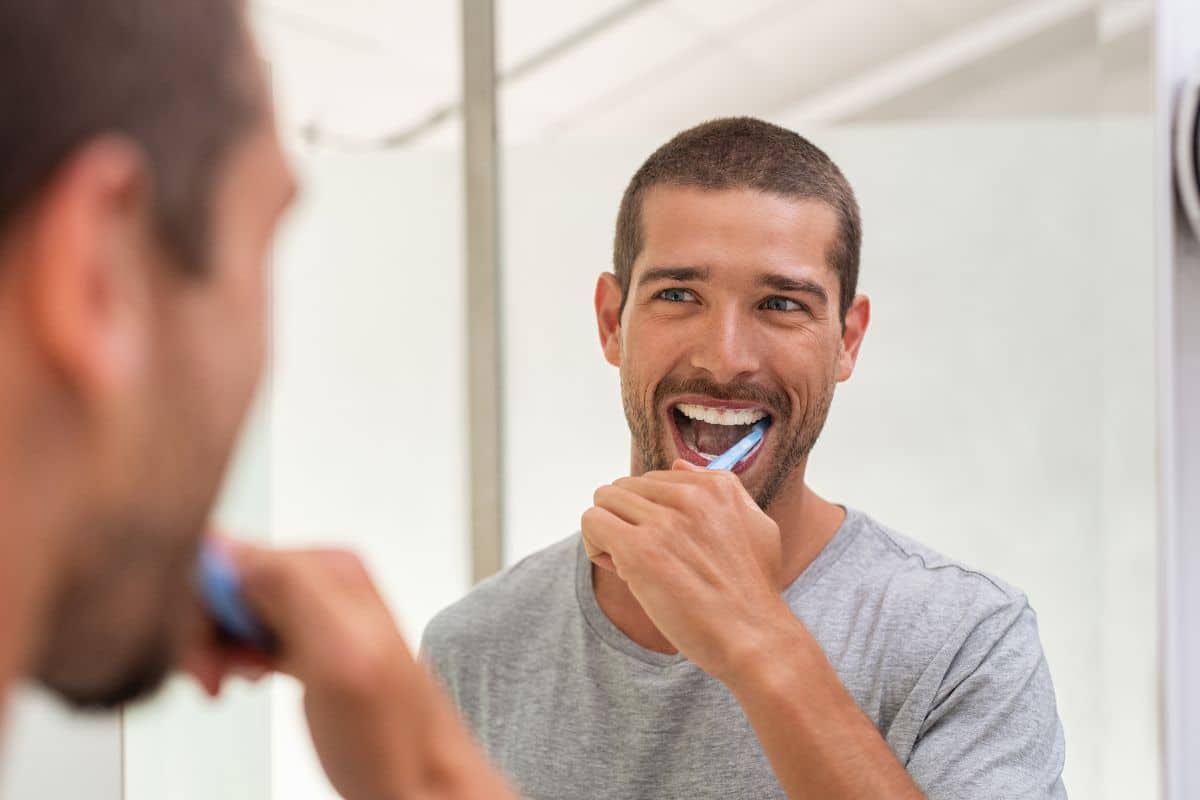
- Use a Soft-Bristled Toothbrush: Brushing too hard with a stiff brush can wear down your enamel and irritate your gums. Always use a soft-bristled brush and gentle, circular motions.
- Watch Your Diet: Highly acidic foods and drinks, like citrus fruits, soda, and coffee, can erode enamel over time. Rinsing your mouth with plain water after consuming these can help neutralize the acids.
- Maintain Excellent Oral Hygiene: Consistent brushing and flossing prevent the buildup of plaque, which can contribute to gum recession and decay.
When to See a Professional
While home care is helpful, it is not a substitute for professional dental care. If your sensitivity is severe, localized to one tooth, or lasts for more than a few days, it is time to see an expert.
At Gold Coast Family Dental of Port Washington, our team can pinpoint the exact cause of your discomfort. Whether you need a simple fluoride treatment, a filling for a cavity, or treatment for gum recession, we are here to ensure your smile remains healthy and pain-free. Relying on an experienced dentist for tooth sensitivity is the smartest way to ensure you aren’t ignoring an underlying issue that could worsen over time.
Frequently Asked Questions
1. Is sensitive teeth a sign of a serious dental problem?
Not always, but it should be addressed. Sensitivity can range from mild enamel wear to deep cavities or nerve inflammation. A professional exam is the only way to know for sure what is causing the pain.
2. Does whitening my teeth cause sensitivity?
Professional teeth whitening is safe, but some patients may experience temporary sensitivity during or after the treatment. We always assess your enamel health before recommending any aesthetic procedures to ensure you remain comfortable.
3. Can I use home remedies like salt water for sensitivity?
Rinsing with warm salt water can help soothe irritated gums and reduce inflammation, providing temporary relief. However, it will not treat the underlying cause of the sensitivity.
4. How can I prevent tooth sensitivity in the future?
The best prevention is a combination of consistent daily oral hygiene and regular check-ups. Preventing cavities and gum disease is the most effective way to keep your enamel and gums healthy.
Schedule Your Consultation Today
Don’t let the fear of a cold drink keep you from enjoying your favorite treats. At Gold Coast Family Dental of Port Washington, we provide comprehensive, patient-centered care right here in the heart of Port Washington. From restorative treatments to personalized preventive care, our team has the expertise to get your smile back on track.
If you are ready to stop the pain and regain your comfort, it’s time to book an appointment with us. Our friendly team is ready to welcome you to our office and help you achieve the comfortable, healthy smile you deserve.