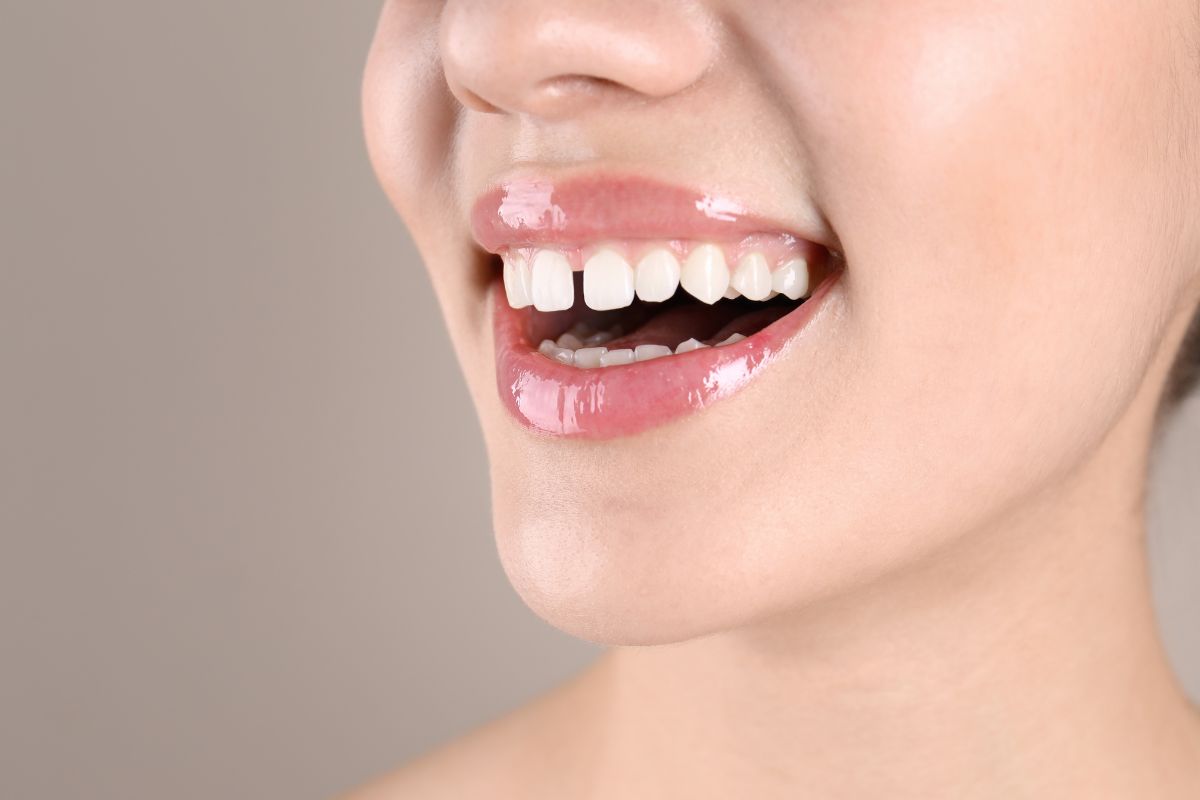


If you’ve ever woken up with a dry mouth or noticed your child sleeping with their mouth open, you might wonder if it’s something to worry about. The short answer is yes, chronic mouth breathing can lead to several oral health issues. At Gold Coast Family Dental of Port Washington, patients often ask how this habit affects their teeth and gums, and the answer is more important than many people realize.
For families in Port Washington who enjoy an active lifestyle around the waterfront, parks, and local community events, maintaining good oral health is essential. Understanding how mouth breathing impacts your smile can help you take the right steps toward better dental care and long-term wellness.
What Is Mouth Breathing?
Mouth breathing happens when you regularly breathe through your mouth instead of your nose. While it’s normal during a cold or allergy flare-up, it becomes a concern when it turns into a long-term habit.
Your nose is designed to filter, warm, and humidify the air you breathe. When you rely on your mouth instead, that natural protection is lost. Over time, this can create a dry environment inside your mouth, one of the main reasons oral health problems begin to develop.
How Mouth Breathing Affects Oral Health
1. Dry Mouth and Reduced Saliva
Saliva plays a critical role in protecting your teeth. It washes away food particles, neutralizes acids, and helps prevent bacterial growth. Mouth breathing dries out your mouth, reducing saliva production.
This dry environment allows harmful bacteria to thrive, increasing your risk of cavities and infections.
2. Increased Risk of Cavities
When saliva levels drop, your teeth lose a natural defense system. Bacteria can more easily stick to enamel and produce acids that cause decay.
People who habitually breathe through their mouths often experience higher rates of tooth decay compared to those who breathe through their noses.
3. Gum Disease (Gingivitis and Periodontitis)
Mouth breathing can dry out gum tissue, making it more prone to irritation and inflammation. Over time, this can lead to gingivitis and even advanced gum disease.
Dry gums are less resistant to bacteria, which means infections can develop more easily if the issue isn’t addressed early.
4. Bad Breath (Halitosis)
Persistent bad breath is one of the most noticeable signs of mouth breathing. Without enough saliva to cleanse the mouth, odor-causing bacteria build up quickly.
If you notice chronic bad breath despite brushing and flossing, it may be time to visit a dentist to evaluate your breathing habits.
5. Changes in Tooth Alignment and Jaw Development
This is especially important for children in growing communities like Port Washington. Chronic mouth breathing during developmental years can affect how the face and jaw grow.
Research shows it may lead to:
- Narrow dental arches
- Misaligned teeth (malocclusion)
- Open bite or overbite
These changes often require orthodontic treatment later in life.
6. Impact on Overall Oral Health
Mouth breathing doesn’t just affect one part of your smile; it can influence your entire oral environment. From enamel erosion to gum inflammation, the effects can compound over time.
In many cases, patients who neglect this habit end up needing more extensive dental care than expected.
Common Causes of Mouth Breathing
Understanding the root cause is key to finding the right solution. Some of the most common reasons include:
- Nasal congestion from allergies or colds
- Enlarged tonsils or adenoids
- Deviated septum
- Sinus infections
- Sleep apnea
These conditions can block airflow through the nose, forcing you to breathe through your mouth instead.
Signs You Might Be a Mouth Breather
Not sure if this applies to you? Here are some common symptoms:
- Dry mouth, especially in the morning
- Frequent bad breath
- Snoring or poor sleep
- Drooling during sleep
- Feeling tired upon waking
If these symptoms sound familiar, it’s worth scheduling an evaluation with a trusted dentist.
Why Port Washington Families Should Pay Attention
In a vibrant community like Port Washington, where families value health and well-being, early detection can make a big difference. Children who receive early intervention often avoid long-term dental and orthodontic complications.
Adults, too, can benefit from addressing mouth breathing before it leads to advanced issues like gum disease or chronic tooth decay.
Local access to experienced professionals means you don’t have to wait; visit our dental office to get personalized guidance and treatment options tailored to your needs.
How to Prevent and Treat Mouth Breathing
The good news is that mouth breathing is often treatable once the cause is identified.
Treatment Options May Include:
- Managing allergies with medication
- Treating sinus or nasal issues
- Orthodontic evaluation for children
- Myofunctional therapy (breathing exercises)
- Sleep apnea treatment, if needed
A comprehensive evaluation helps determine the best approach for each patient.
The Importance of Early Dental Evaluation
Early diagnosis is key. A skilled dentist can identify signs of mouth breathing during routine checkups and recommend appropriate next steps.
For children, early intervention can guide proper jaw development and reduce the need for future orthodontic treatments.
For adults, addressing the issue can significantly improve oral health, sleep quality, and overall comfort.
Protect Your Smile
Mouth breathing may seem like a minor habit, but its impact on your oral health can be significant over time. From cavities and gum disease to changes in facial development, the risks are real but preventable.
If you or your child is experiencing symptoms, don’t wait. The team at Gold Coast Family Dental of Port Washington is here to help you achieve a healthier, more comfortable smile.
Take the next step toward better oral health, book an appointment with us today. Your smile deserves the highest quality care.
Frequently Asked Questions
1. Does mouth breathing always cause dental problems?
Not always, but chronic mouth breathing significantly increases the risk of issues like cavities, gum disease, and bad breath.
2. Can mouth breathing be reversed?
Yes, in many cases. Treatment depends on the underlying cause, such as allergies or nasal obstruction.
3. Is mouth breathing more harmful for children?
Yes, because it can affect facial growth, tooth alignment, and overall development if left untreated.
4. How can I tell if my child is a mouth breather?
Look for signs like snoring, dry lips, open-mouth posture, or frequent tiredness.
5. Should I see a dentist or a doctor first?
A dentist can identify oral signs and guide you to the appropriate specialist if needed.
6. Can improving breathing habits help oral health?
Absolutely. Switching to nasal breathing can restore moisture balance and reduce the risk of dental problems.