
Imagine biting into a warm, fresh bagel or enjoying your favorite crunchy apple on a sunny afternoon in Port Washington, only to feel an unexpected shift or discomfort in your jaw. Many of us take our full set of teeth for granted until something changes. Whether it is due to an unexpected sports injury, a stubborn cavity that went too far, or natural wear and tear over the years, losing a permanent tooth happens to millions of adults.
When a tooth goes missing, especially if it is tucked away toward the back where it is harder to see, it is easy to adopt an out-of-sight, out-of-mind mentality. You might think, “Well, nobody can see the gap when I smile, so what is the big deal?“ Unfortunately, the consequences run much deeper than aesthetics. Leaving a gap unattended can silently sabotage your dental health, change your facial structure, and fundamentally ruin your bite. Let’s dive into what happens when you leave missing teeth alone, why your mouth behaves like a finely tuned ecosystem, and how proactive dental care can keep your smile strong and aligned.
The Domino Effect: How Your Mouth Responds to a Missing Tooth
Your mouth is a dynamic, interconnected system. Every single tooth plays an active role in supporting its neighbors. When you lose even one tooth, the structural balance of your entire jaw is disrupted, setting off a domino effect of oral health complications.
1. The Shifting Phenomenon (Teeth Drifting Out of Place)
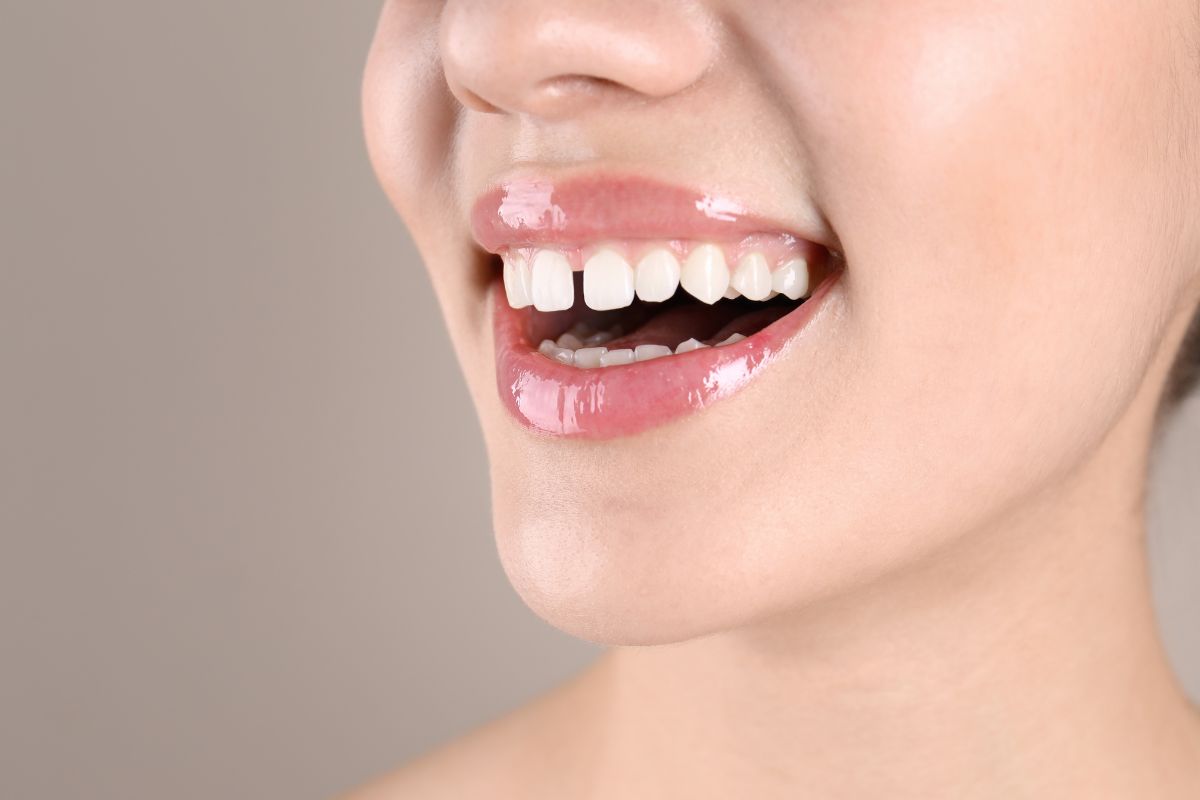
Nature abhors a vacuum, and your teeth are no exception. Teeth are not rigidly cemented into concrete; they are held in place by a flexible network of ligaments and bone. When a gap opens up, the neighboring teeth immediately lose their lateral support.
Over time, these adjacent teeth will slowly begin to tilt, drift, or lean into the empty space. Think of it like books on a crowded shelf: if you pull one book out of the middle, the books beside it will start to lean over. This shifting does not just create awkward food traps between your teeth; it completely throws off your occlusion, the way your upper and lower teeth fit together when you close your mouth.
2. The Opposing Tooth Dilemma (Over-eruption)
It is not just the side-to-side neighbors that react to a gap. The opposing tooth, the one on the opposite arch that used to bite down against your missing tooth, now has nothing to meet.
Without an opposing surface to bite against, that tooth will actually begin to creep out of its socket, a process known as over-eruption or supra-eruption. As it stretches further down or up into the empty space, it exposes its roots, makes the tooth structurally unstable, and creates severe bite irregularities.
How a Ruined Bite Impacts Your Everyday Life
A misaligned bite caused by untreated missing teeth is much more than a cosmetic issue. It can dramatically alter your day-to-day comfort and long-term well-being:
- TMJ Discomfort and Jaw Pain: When your bite is uneven, your jaw muscles have to work overtime to find a comfortable resting place. This chronic muscle strain can lead to temporomandibular joint (TMJ) disorders, resulting in painful clicking, popping, jaw stiffness, and tension headaches.
- Uneven Tooth Wear: If your teeth no longer meet correctly, certain teeth will absorb an unfair amount of pressure every time you chew. This leads to accelerated enamel erosion, flat spots, chipped edges, and fractured teeth.
- Trouble Chewing and Digestion Issues: Good digestion starts in the mouth. When missing gaps and a ruined bite make it difficult to chew tough meats, fresh vegetables, or fiber-rich foods, you might unconsciously change your diet. Choosing softer, processed foods can impact your overall nutrition and gut health.
- Changes in Facial Structure: Your teeth and jawbone provide scaffolding for your facial muscles. When teeth are missing for a long time, the underlying jawbone begins to resorb (shrink) because it lacks the stimulation provided by tooth roots. This can cause the lower third of your face to collapse inward, leading to premature wrinkles around the mouth and an older appearance.
The Hidden Threat: Bone Loss and Gum Complications
Beyond your bite, the silent casualty of a missing tooth is your jawbone. Every time you chew, the force travels down the root of your tooth into the jawbone, signaling your body to maintain bone density in that area.
When a tooth is gone, that stimulation disappears. Within the first year alone, the bone in that specific area can shrink significantly in width and height. This bone loss doesn’t just change your facial contours; it can also compromise the health of your adjacent teeth, leaving them vulnerable to gum recession, periodontal pockets, and eventual loss.
Stopping this cycle requires timely intervention. Waiting too long makes restorative treatments more complex and costly. This is why visiting a qualified dentist at the first sign of trouble is essential to preserving your structural integrity.
Modern Solutions: Restoring Function and Confidence
The good news is that you do not have to live with the consequences of a missing tooth. Modern dentistry offers fantastic, long-lasting solutions tailored to fit your lifestyle, comfort level, and budget. Whether you are missing one tooth or several, restorative options can rebuild your smile and restore your bite:
- Dental Implants: Widely considered the gold standard in tooth replacement, implants act as artificial roots. A titanium or zirconia post is placed gently into the jawbone, topped with a custom crown that looks, feels, and functions just like a natural tooth. Crucially, implants stimulate the jawbone to prevent bone loss.
- Dental Bridges: A bridge “bridges” the gap left by a missing tooth by anchoring an artificial tooth to the healthy natural teeth on either side.
- Partial or Full Dentures: Removable appliances designed to replace multiple missing teeth, restoring both your ability to chew and the fullness of your smile.
Consulting an expert dentist ensures you receive a comprehensive evaluation to determine which option is best suited for your unique anatomical needs.
Protect Your Smile Today
Your teeth are designed to work together as a team for a lifetime. Leaving a gap unattended is like pulling a cornerstone out of an arch; eventually, the rest of the structure begins to lean and weaken. Don’t let a missing tooth quietly ruin your bite, trigger jaw pain, or alter your facial structure.
If you have a gap that needs attention or want to ensure your overall oral health is on track, it is time to take action. Book an appointment with Gold Coast Family Dental of Port Washington today. Let our compassionate team provide the expert dental care you deserve in a warm, state-of-the-art environment. Your future smile will thank you!
Frequently Asked Questions
1. Can I wait a few years to replace a missing tooth if it doesn’t hurt?
It is strongly advised not to wait. Even if you feel no immediate pain, teeth are constantly shifting behind the scenes. The longer you wait, the more your neighboring teeth will drift, and the more jawbone you will lose, making future treatments more complicated.
2. How do dental implants protect my bite?
Dental implants are the only tooth replacement option that replaces the missing tooth root. By integrating directly into your jawbone, they halt bone resorption, keep neighboring teeth firmly in their correct positions, and maintain a balanced, healthy bite.
3. What should I expect when I visit our dental office for a consultation?
When you visit our dental office, our team will conduct a thorough examination, take state-of-the-art digital images of your jaw and bite alignment, and listen closely to your goals. From there, we will walk you through a personalized treatment plan designed to restore your oral health comfortably.
4. Are missing teeth always visible when smiling?
Not at all. While front teeth are obvious when you smile or talk, missing molars in the back are often hidden. However, back teeth bear the heaviest chewing loads, meaning their absence will cause severe bite collapse and jaw strain even if nobody can see the gap.