

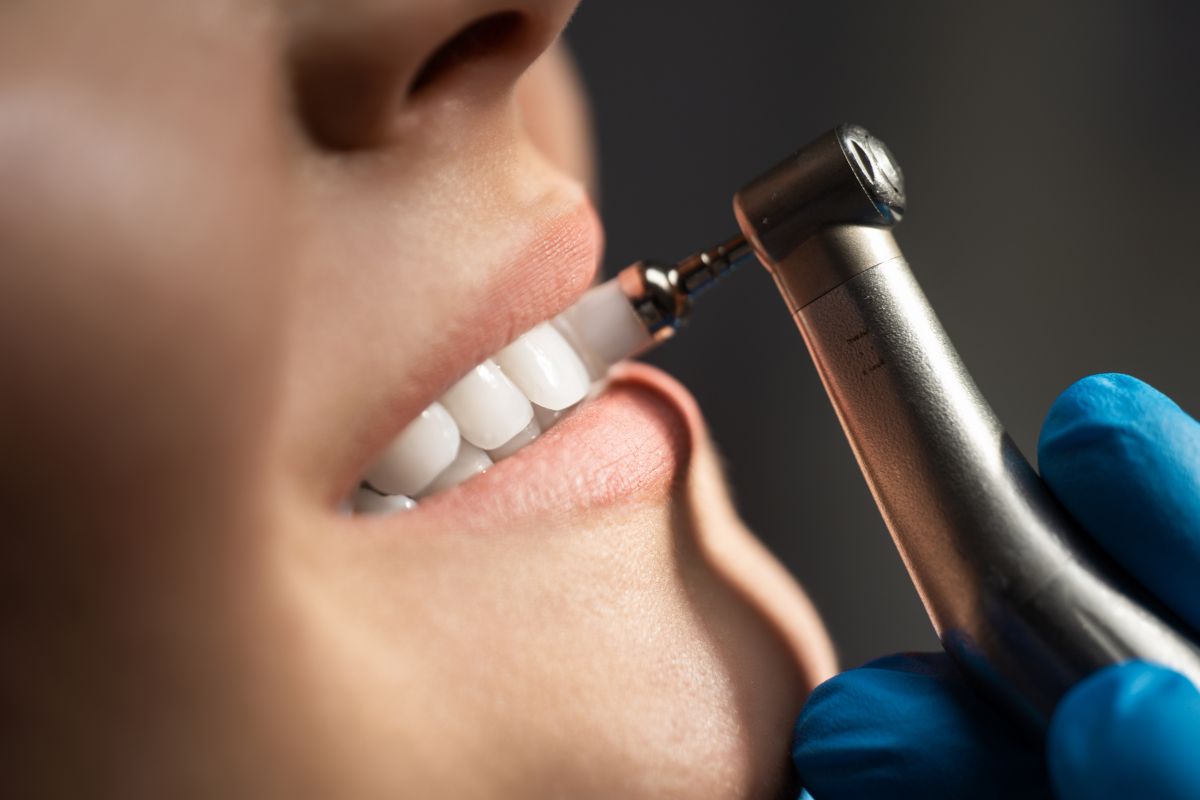
Dental health is paramount; sometimes, a regular cleaning just doesn’t suffice. When your dentist recommends a deep cleaning, also known as scaling and root planing, it’s natural to feel a bit apprehensive. The question on everyone’s mind is: “How painful is it?” Let’s break down the procedure, the discomfort involved, and how to manage it.
What Exactly Is a Dental Deep Cleaning?
Before addressing the pain factor, it’s essential to understand what a deep cleaning entails. Unlike a regular cleaning, which targets plaque and tartar above the gum line, a deep cleaning goes further. It’s designed to remove plaque and tartar buildup beneath the gum line, reaching the tooth roots.
This procedure is crucial for individuals with gum disease (periodontitis), which causes inflammation and infection of the gums and supporting bone structures. Without addressing this buildup, gum disease can progress, leading to tooth loss and other oral health complications.
If you are concerned about the health of your gums or would like to learn more about the procedures that can help your smile, consider talking to a cosmetic dentist. They can help you understand all of your options.
The Procedure: A Step-by-Step Look
A deep cleaning is typically performed in two appointments, each focusing on one half of the mouth. This allows for better management of discomfort and reduces the length of each appointment.
- Anesthesia: Before the cleaning begins, your dentist or hygienist will administer a local anesthetic to numb the area. This is the most crucial step in minimizing pain during the procedure. The numbing sensation will typically last for a few hours.
- Scaling: Using specialized instruments, the dental professional will meticulously remove plaque and tartar from the tooth surfaces and below the gum line. This step targets the hardened buildup that regular brushing and flossing cannot eliminate.
- Root Planing: After scaling, the root surfaces of the teeth are smoothed. This helps prevent future plaque and tartar buildup and allows the gums to heal and reattach to the teeth.
- Optional Antibiotic Treatment: Sometimes, your dentist may apply an antibiotic gel or insert antibiotic fibers into the pockets between the gums and teeth. This helps to reduce bacteria further and promote healing.
Addressing the Discomfort: What to Expect
While the local anesthetic eliminates pain during the procedure, discomfort is expected afterward.
- During the Procedure: Thanks to the numbing agent, you should feel minimal to no pain during the scaling and root planing. You may experience some pressure or vibration, but it shouldn’t be painful.
- After the Procedure: Once the anesthetic wears off, you might experience some soreness, tenderness, and mild swelling in the gums. This is a regular part of the healing process.
- Sensitivity: For a few days following the procedure, your teeth may also be more sensitive to hot and cold temperatures.
Pain Management: Tips and Tricks
Fortunately, there are several ways to manage post-procedure discomfort:
- Over-the-Counter Pain Relievers: Taking pain relievers like ibuprofen or acetaminophen as directed can help alleviate soreness and discomfort.
- Saltwater Rinse: Rinsing your mouth with warm salt water several times a day can help reduce inflammation and promote healing. Mix half a teaspoon of salt with eight ounces of warm water.
- Cold Compress: Applying a cold compress to the outside of your cheek can help reduce swelling and numb the area.
- Soft Food Diet: For the first few days, stick to soft foods that require minimal chewing. Avoid spicy, acidic, or hard foods that could irritate your gums.
- Gentle Oral Hygiene: Continue to brush and floss gently, but avoid the treated areas for the first few days. Your dentist may also recommend a special mouthwash to aid in healing.
- Prescription Medication: Sometimes, your dentist may prescribe more potent pain medication or antibiotics to manage discomfort and prevent infection.
- Desensitizing Toothpaste: If you experience tooth sensitivity, use a desensitizing toothpaste.
When to Seek Professional Help
While some discomfort is normal after a deep cleaning, knowing when to seek professional help is essential. Contact your dentist if you experience:
- Severe pain or swelling that doesn’t improve with over-the-counter pain relievers.
- Excessive bleeding or pus from the gums.
- Fever or other signs of infection.
- Sensitivity that persists for more than a few weeks.
The Long-Term Benefits: Worth the Short-Term Discomfort
While the thought of a deep cleaning might seem daunting, the long-term benefits far outweigh the temporary discomfort. By removing plaque and tartar buildup and addressing gum disease, you protect your teeth and gums from further damage. This can help prevent tooth loss, bone loss, and other oral health problems.
Whether you have concerns about your gums or are interested in learning more about the procedures, please do not hesitate to visit our dental office for any questions or your regular check-up.
In conclusion, while deep dental cleaning might cause post-procedure discomfort, it’s a crucial step in maintaining optimal oral health. With proper pain management and care, you can minimize discomfort and enjoy the long-term benefits of a healthy smile. If it is time for a deep cleaning or any other dental work, please book an appointment with us today.