

Do you ever wake up in the morning with a dull, lingering headache, a sore jaw, or teeth that feel strangely sensitive when you take your first sip of coffee? If so, you might be grinding your teeth at night without even realizing it.
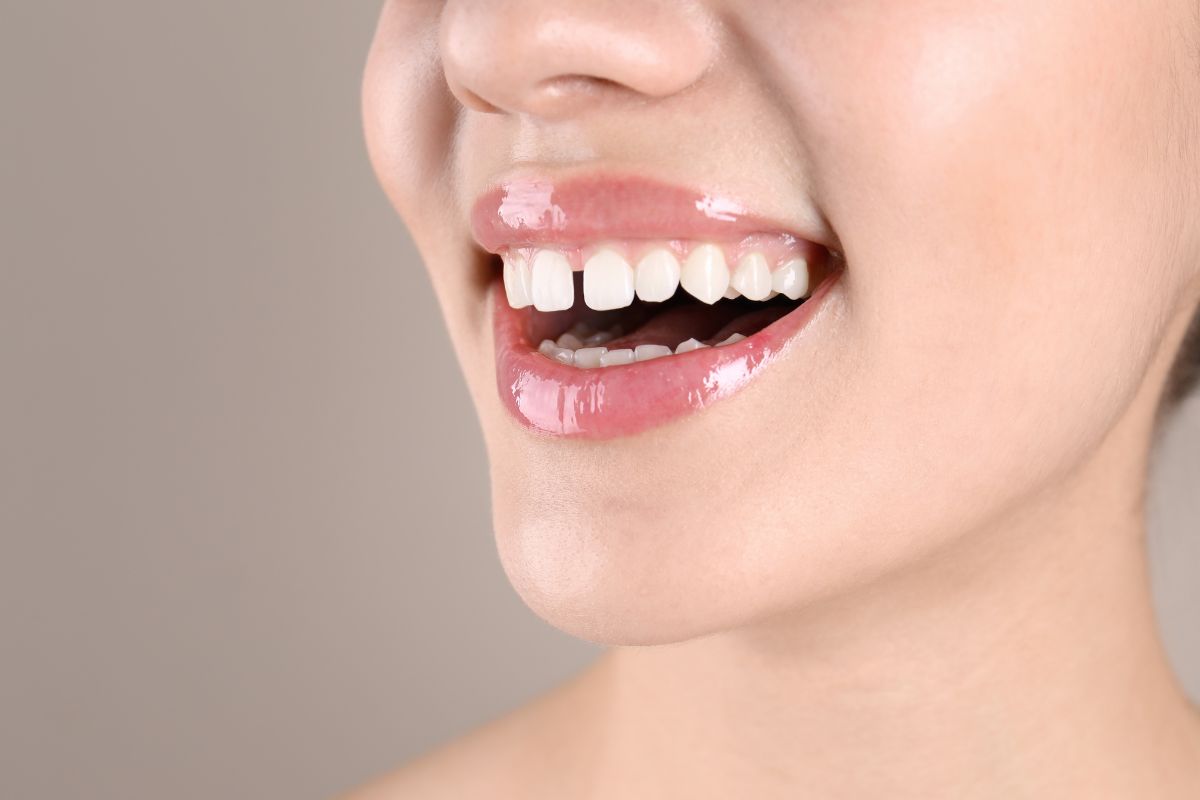
Teeth grinding, known medically as sleep bruxism, is an incredibly common issue that affects millions of Americans. Because it happens while you are fast asleep, it can be frustrating to identify and break the habit. Over time, leaving bruxism unchecked can lead to worn-down tooth enamel, fractured fillings, jaw joint dysfunction (TMJ), and chronic facial pain.
While advanced clinical solutions are available, many people want to know how to stop grinding teeth in their sleep naturally. Fortunately, by understanding the root causes of bruxism and making intentional lifestyle adjustments, you can significantly reduce jaw tension and protect your smile.
Understanding Why We Grind Our Teeth
Before diving into natural remedies, it helps to understand why bruxism happens. Sleep grinding is rarely just an issue with your teeth; it is usually a physical manifestation of neuromuscular tension.
The primary triggers for nocturnal grinding include:
- Chronic Stress and Anxiety: The body often processes daytime stress through physical tension at night, clenching the jaw muscles as you cycle through sleep stages.
- Sleep Disturbances: Conditions like sleep apnea or restless sleep cycles can trigger micro-arousals, during which the jaw naturally clenches or grinds.
- Bite Misalignment: If your upper and lower teeth do not fit together smoothly, your jaw muscles may unconsciously work overtime at night trying to find a comfortable resting position.
- Lifestyle Factors: High caffeine intake, alcohol consumption before bed, and tobacco use have all been linked to increased muscle activity during sleep.
5 Natural Ways to Stop Grinding Teeth at Night
If you are looking for gentle, non-invasive ways to calm your jaw and get a more restful night’s sleep, try incorporating these natural strategies into your daily routine.
1. Master the Art of a “De-Stress” Bedtime Routine
Since stress is the leading psychological trigger for bruxism, relaxation is your first line of defense. When you carry the day’s anxieties into bed, your nervous system remains hyper-vigilant, causing your jaw muscles to lock up.
Create a dedicated wind-down routine at least an hour before sleep:
- Disconnect from screens: The blue light from phones and televisions stimulates the brain, keeping your stress hormones elevated.
- Practice deep breathing: Try the 4-7-8 breathing technique (inhale for 4 seconds, hold for 7, exhale for 8) to actively lower your heart rate and signal to your body that it is safe to relax.
- Take a warm bath: Adding Epsom salts to a warm bath can help relax your muscles body-wide, thanks to the natural magnesium content.
2. Apply Warm Compresses to Relax Jaw Muscles
If your jaw already feels tight or fatigued by the evening, applying localized heat can work wonders. Warmth increases blood circulation to the area, which helps soothe tight masseter muscles (the primary chewing muscles located at the angle of your jaw).
Before going to sleep, soak a clean washcloth in warm water or use a heating pad. Hold it against your cheeks and jawline for 10 to 15 minutes. As the heat penetrates, consciously let your jaw drop open slightly, releasing any residual tension you’ve built up during the day.
3. Actively Train Your Jaw During the Day
Surprisingly, how you hold your mouth during the day directly influences what your jaw does at night. Many people unconsciously clench their teeth while driving, working at a computer, or focusing intensely. This daytime clenching trains the muscles to remain active.
Practice the “Lips Together, Teeth Apart” rule:
- Your lips should be gently closed.
- Your upper and lower teeth should never touch unless you are actively chewing food.
- Your tongue should rest lightly against the roof of your mouth, just behind your front teeth.
Check in with yourself every hour. If you catch your teeth touching, take a deep breath, drop your shoulders, and relax your jaw.
4. Upgrade Your Dietary Habits
What you consume throughout the day plays a massive role in how deeply your muscles relax at night.
- Cut back on caffeine and alcohol: Avoid coffee, energy drinks, and sodas in the afternoon and evening. While alcohol might make you feel drowsy, it disrupts your deep sleep stages, leading to fragmented sleep and an uptick in subconscious grinding.
- Avoid chewing on non-food items: If you have a habit of mindlessly chewing on pens, ice, or gum during the day, you are overworking your jaw muscles. Continuous gum chewing keeps the masseter muscles in a state of high activation, making them much more likely to spasm or clench at night.
- Incorporate magnesium-rich foods: Magnesium is a natural muscle relaxant. Consider adding more leafy greens, pumpkin seeds, almonds, and avocados to your dinner plate to help calm your musculoskeletal system.
5. Gentle Jaw Stretching Exercises
Performing simple, low-impact jaw stretches can help expand your range of motion and relieve built-up pressure. One common exercise is to open your mouth comfortably wide while placing the tip of your tongue on the roof of your mouth. Hold this position for 5 to 10 seconds, feeling the gentle stretch along the sides of your face. Repeat this a few times before bed to loosen the joint.
When Natural Remedies Aren’t Enough: The Role of Professional Dental Care
While natural techniques are excellent for reducing daily stress and mild muscle tightness, they cannot correct underlying anatomical issues, such as a misaligned bite or severe nocturnal grinding. If you continue to grind, the sheer force can crack your teeth, recede your gums, and cause long-term damage to your temporomandibular joints.
That is why it is essential to prioritize your ongoing dental care. Comprehensive wellness requires a blend of holistic lifestyle changes and professional monitoring.
A trusted dentist can evaluate the structural health of your mouth, check for hidden signs of wear, and provide customized solutions, such as a custom-fitted nightguard to shield your teeth from friction. If you haven’t had an evaluation recently, it is highly recommended that you visit our dental office so an expert can assess your jaw alignment and ensure your natural treatments are working effectively.
Frequently Asked Questions
1. Can teeth grinding go away on its own?
In some cases, yes. If your bruxism is strictly caused by a temporary stressful event such as a major project at work or a temporary life transition, it may subside once the stress resolves. However, if the grinding is tied to sleep apnea, a misaligned bite, or a long-term habit, it typically requires active intervention to prevent permanent tooth damage.
2. How do I know if I’m grinding my teeth if I’m asleep?
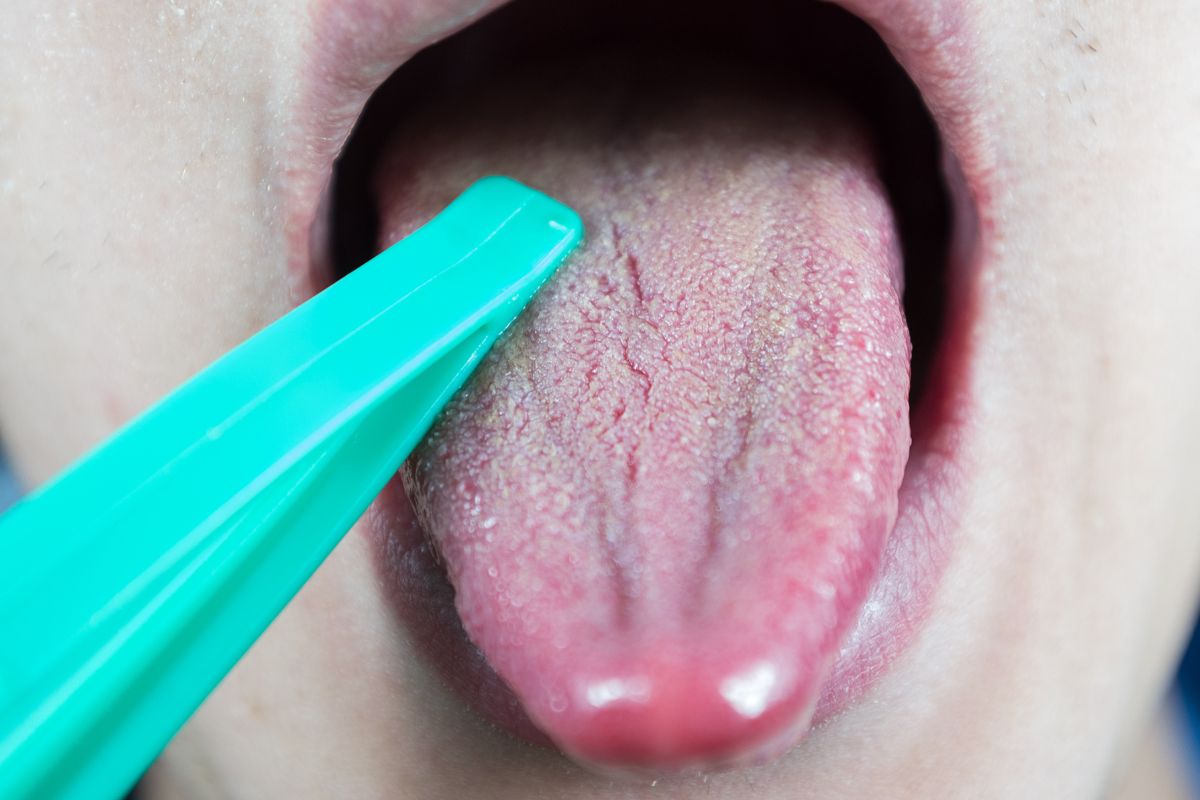
Since it happens when you’re unconscious, look for morning symptoms. The most common signs include a dull headache originating in the temples, waking up with a sore or stiff jaw, unexplained tooth sensitivity, or a partner telling you they hear a clicking or scraping noise at night. A clinical exam can also reveal flattened tooth surfaces or indentations on the sides of your tongue.
3. Are store-bought nightguards safe to use?
Over-the-counter “boil-and-bite” mouthguards can provide a temporary buffer, but they are not recommended for long-term use. Because they are not molded precisely to your unique bite, they can sometimes cause your jaw to shift unnaturally, actually increasing muscle strain and worsening TMJ pain over time. A custom-fabricated guard from a professional is always the safest choice.
4. Can changing my sleep position help reduce grinding?
Yes, your sleeping posture can influence jaw tension. Sleeping flat on your back is generally considered the best position for bruxism because it keeps your head, neck, and shoulders in neutral alignment, reducing pressure on the jaw. Sleeping on your stomach can twist your neck and place uneven pressure on the temporomandibular joint.
Protect Your Smile with Gold Coast Family Dental of Port Washington
At Gold Coast Family Dental of Port Washington, we believe that a healthy smile starts with understanding your body. Our experienced, patient-focused team is dedicated to helping you find lasting relief from jaw discomfort while protecting your teeth from the damaging effects of night grinding.
Whether you want to explore professional TMJ treatments, need a custom-made protective mouthguard, or simply want a comprehensive wellness checkup to evaluate your bite, we are here to support you every step of the way.
Don’t let morning jaw pain dictate the quality of your day. Take the first step toward a more comfortable night’s sleep and a healthier smile, and book an appointment with us today!