
Wondering if your smile is a candidate for braces? Your evaluation reveals more than you might expect. For patients in Port Washington, understanding the candidacy process is the first step toward a healthier, straighter smile. At Gold Coast Family Dental of Port Washington, Dr. Benjamin Neren helps patients discover exactly what their smile needs and whether braces are the right path forward.
Braces are not a one-size-fits-all solution. Candidacy depends on many factors, from bite alignment to bone health to age. Knowing what your evaluation looks at can reduce anxiety and help you prepare the right questions. This guide walks you through every step of the process.
What Does a Braces Candidacy Evaluation Actually Involve?
A braces evaluation is a thorough clinical assessment of your teeth, jaw, and bite. Dr. Neren begins by reviewing your dental and medical history. He then performs a visual examination of your teeth and gum tissue. This gives a baseline picture of your oral health before any treatment begins.
X-rays are a critical part of the evaluation. They reveal bone density, tooth root positions, and any hidden issues below the gumline. Digital imaging may also be used to capture a 3D view of your jaw structure. These tools help determine how teeth can move safely and effectively.
Impressions or digital scans of your teeth may also be taken. These create an exact model of your current bite and spacing. Dr. Neren uses this model to plan a treatment approach that fits your unique anatomy. Every evaluation is personalized — no two smiles are exactly alike.
Who Is a Good Candidate for Braces?
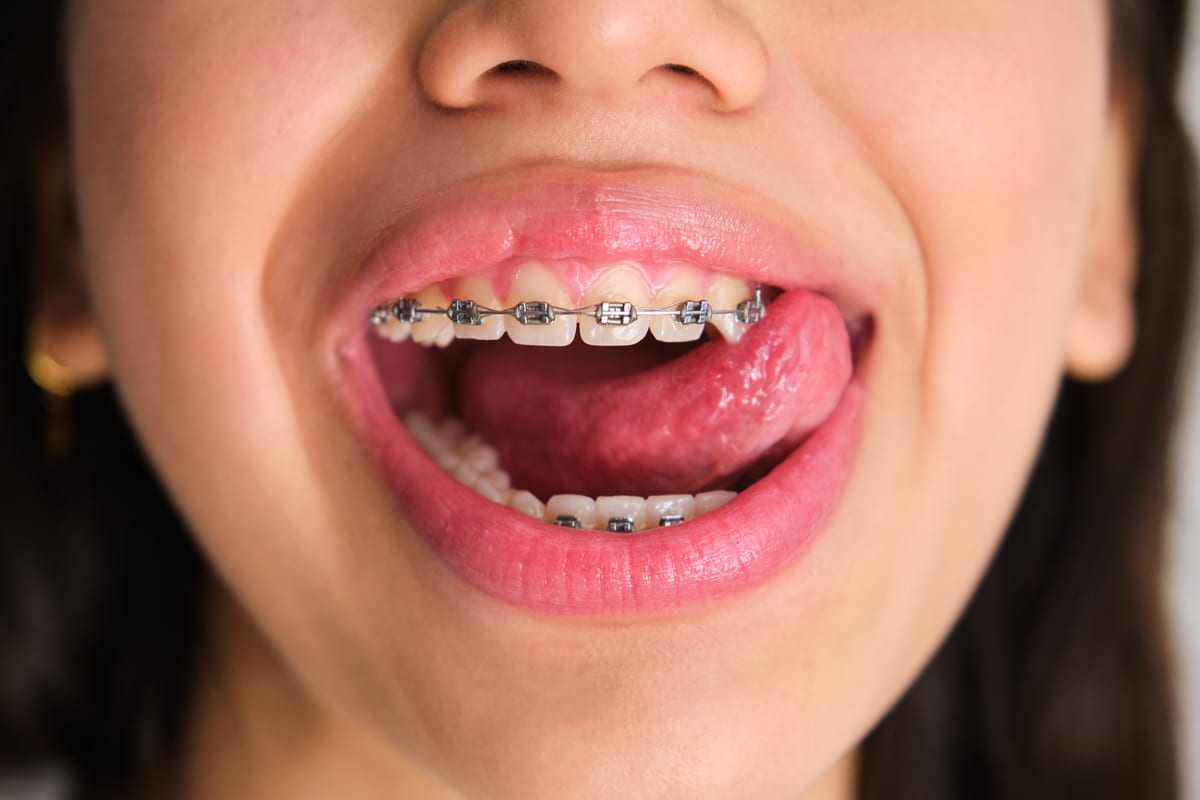
Braces work for a wide range of patients — children, teens, and adults alike. The most important requirement is that your teeth and gums are reasonably healthy. Active gum disease or untreated decay can interfere with orthodontic movement. Addressing those issues first often makes someone a stronger candidate.
Common conditions that dental braces can correct include:
- Overcrowded or overlapping teeth
- Gaps or spaces between teeth
- Overbite, underbite, or crossbite
- Open bite or deep bite
- Misaligned midlines between upper and lower teeth
Age plays a role, but it does not disqualify adults. Teens benefit from braces because their jaw is still developing. Adults can still achieve excellent results, though treatment may take slightly longer. Dr. Neren evaluates each patient based on their individual biology, not just their age.
Patients interested in cosmetic dentistry sometimes find that braces are the best first step. Straightening teeth before veneers or bonding often produces more predictable, lasting results. Your evaluation helps sequence treatments correctly for the best outcome.
What Factors Determine the Best Orthodontic Approach for You?
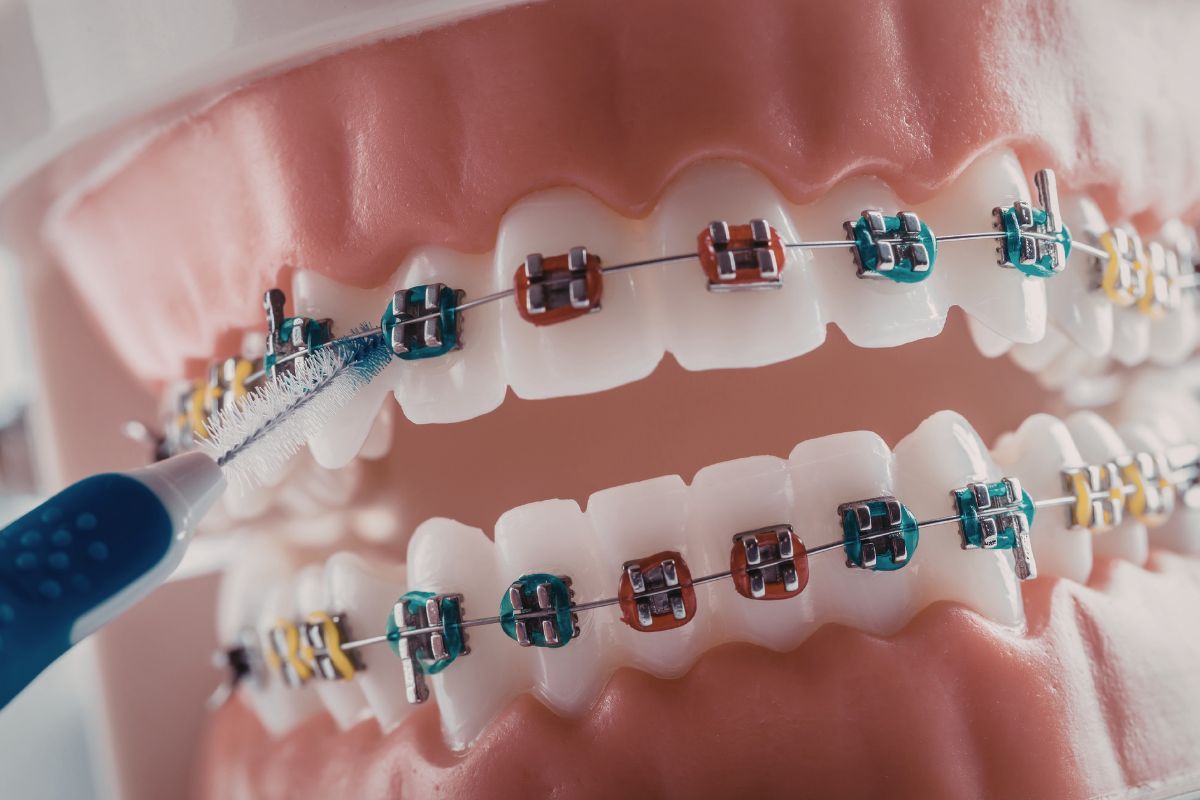
Not every candidate for orthodontics will get the same treatment. Dr. Neren considers several factors when recommending traditional braces versus other options. The severity of your alignment issue is a primary driver. More complex bite problems often respond better to traditional braces than clear aligners.
Your lifestyle and preferences also matter. Some patients prefer the discreet appearance of clear aligners. Others want a fixed appliance that does not require daily compliance decisions. Dr. Neren discusses both paths openly so you can make an informed choice.
Key factors your evaluation considers include:
- Severity of crowding or bite misalignment
- Bone structure and jaw development stage
- Previous dental work, including crowns or implants
- Patient age and overall oral health status
- Lifestyle factors like contact sports or instrument playing
For patients who also need restorative dentistry, coordinating care is essential. Crowns, bridges, or implants may affect how orthodontic forces are applied. Your evaluation flags these complexities early so your treatment plan accounts for them from the start.
What Happens After Your Evaluation? Next Steps Explained
Once your evaluation is complete, Dr. Neren reviews all findings with you directly. He explains what he observed, what it means for your smile, and what options are available. You will never leave a consultation with unanswered questions. The goal is to make sure you feel informed and confident before committing to any treatment.
If braces are recommended, Dr. Neren outlines the expected timeline for your case. He also explains what the process will feel like at each stage. Most patients start treatment within a few weeks of their evaluation. Early start dates mean earlier results.
If braces are not the right fit, Dr. Neren will explain why and suggest alternatives. Clear aligners, retainers, or other orthodontic tools may better suit your needs. Some patients discover their smile issues are cosmetic rather than structural. In those cases, options like dental bonding or veneers may be explored instead.
Follow-up appointments are scheduled to monitor progress throughout treatment. Dr. Neren and his team stay engaged every step of the way. Consistent check-ins help ensure teeth are moving as planned. Adjustments are made whenever needed to keep treatment on track.
Why Choose Gold Coast Family Dental of Port Washington for Your Evaluation?
Dr. Benjamin Neren brings a patient-centered approach to every orthodontic evaluation. He takes time to understand your goals before recommending any treatment. Port Washington patients appreciate the thorough, unhurried experience at Gold Coast Family Dental. Every evaluation is designed to give you clarity, not pressure.
The practice combines general and cosmetic dentistry under one roof. This means your orthodontic care can be coordinated with all other aspects of your oral health. From routine cleanings to smile makeovers, continuity of care matters. You work with a team that knows your full dental history.
Patients across Port Washington trust Dr. Neren because of his honest, educational approach. He explains what he finds, why it matters, and what your realistic options are. That transparency builds lasting relationships with patients of all ages. Your smile is a long-term investment — and so is your dental team.
If you have been wondering whether braces could improve your smile, the next step is simple. Schedule your evaluation and find out exactly what your smile needs. Knowledge is the foundation of great dental outcomes. Schedule your appointment with our team.
Frequently Asked Questions
1. At what age should someone consider getting a braces evaluation?
Orthodontists typically recommend an evaluation for children around age seven, when permanent teeth begin emerging. However, teens and adults can benefit from evaluations at any age. There is no upper age limit for braces candidacy. Dr. Neren evaluates patients of all ages at Gold Coast Family Dental of Port Washington.
2. Does having gum disease disqualify me from getting braces?
Active gum disease does need to be treated before braces can begin. Moving teeth through inflamed or infected gum tissue can cause lasting damage. Once gum health is restored, many patients become excellent candidates for orthodontic treatment. Your evaluation will identify any gum concerns that need to be addressed first.
3. How long does a braces candidacy evaluation take?
Most evaluations at Gold Coast Family Dental take between 45 minutes and one hour. This includes X-rays, a clinical exam, digital scans, and a thorough consultation with Dr. Neren. You will leave with a clear understanding of your smile’s current state and your options. No decision needs to be made at the appointment itself.
4. Can I get braces if I already have crowns or dental implants?
Yes, in many cases patients with crowns or implants can still receive orthodontic treatment. However, implants cannot move with braces the way natural teeth do. Dr. Neren evaluates the placement and number of restorations during your candidacy assessment. A customized treatment plan accounts for any existing dental work.
5. What is the difference between braces and clear aligners for my evaluation?
Your evaluation helps determine which option is better suited to your specific bite issues. Braces are generally more effective for complex misalignments and severe crowding. Clear aligners offer greater flexibility and are nearly invisible during treatment. Dr. Neren discusses both options with you so you can choose based on your needs and lifestyle.