

Wisdom teeth — also known as third molars — typically erupt between the ages of 17 and 25. However, when there’s insufficient space in your jaw, these teeth may not emerge properly. Instead, they remain partially or fully trapped under gum tissue or in the jawbone. This condition is known as impaction.
Impacted wisdom teeth may never cause noticeable symptoms, but in many cases, they trigger pain, infection, and other oral health problems. Recognizing the early warning signs can help you seek timely care before complications worsen. If you live in Port Washington, consulting a dentist can help identify issues early and guide you through appropriate treatment.
Common Warning Signs of Impacted Wisdom Teeth
1. Jaw Pain & Difficulty Chewing or Opening Your Mouth
One of the most frequent symptoms is persistent pain or stiffness in the back of the jaw. If your wisdom tooth is pushing against your gums or neighboring molars, you may experience discomfort when chewing, yawning, or even opening your mouth fully.
This kind of pressure can gradually worsen as the tooth tries (and fails) to erupt properly, often leading to chronic pain — a clear indicator that it’s time to consult your dentist.
2. Inflamed, Swollen, or Bleeding Gums
Impacted wisdom teeth are difficult to clean effectively. As a result, bacteria and food particles tend to get trapped near the partially erupted tooth. This can lead to gum irritation, manifesting as redness, swelling, tenderness, or even bleeding, especially during brushing or flossing.
Such inflammation may also signal infection, which, if untreated, can escalate to gum disease (periodontitis) or more serious jaw complications. Visiting our dental office regularly ensures early detection of such problems.
3. Bad Breath or Unpleasant Taste in Your Mouth
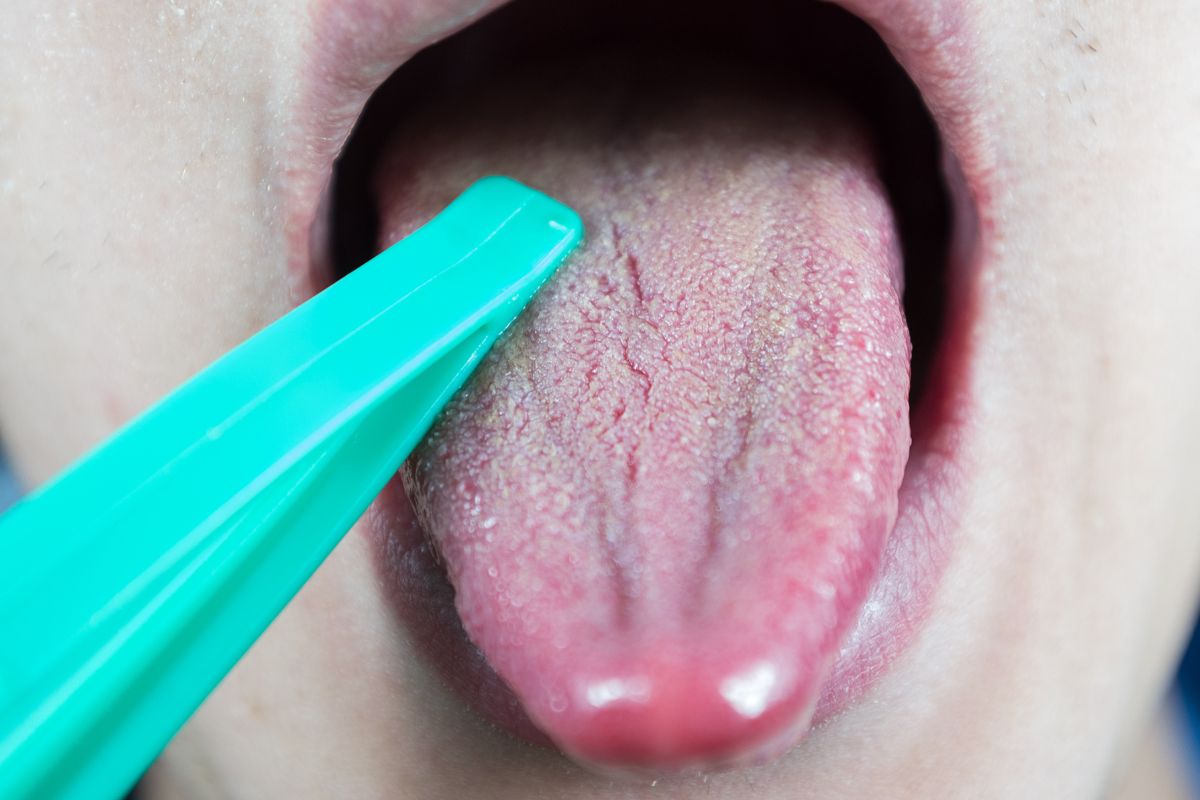
Because it’s hard to clean around an impacted tooth, bacteria accumulate around the area — sometimes deep under the gums. This often leads to persistent bad breath (halitosis) or a foul taste in the mouth that doesn’t go away even with regular brushing or mouthwash.
4. Swelling Around the Jaw or Face — Sometimes with Headaches
Impacted wisdom teeth can cause swelling in the jaw or even the cheeks, which might be noticeable externally. Pain and pressure from impaction can also radiate to nearby nerves, sometimes causing headaches, earaches, or pain extending into the face.
If you notice repeated headaches or facial pain — especially along with jaw or gum issues — don’t ignore these signs.
5. Crowding or Pressure on Adjacent Teeth
As an impacted wisdom tooth pushes against neighboring molars, it can exert pressure that may slowly shift or crowd your teeth. Even if you don’t feel pain, such pressure can affect overall alignment or lead to damage to the adjacent molar over time.
6. Signs of Infection or Cyst Formation in Severe Cases
In some cases, trapped wisdom teeth may lead to the development of cysts — fluid-filled sacs around the tooth — or recurrent infections. These conditions are serious: they can damage surrounding teeth, bone structure, or even lead to jaw complications if left untreated.
Symptoms might include persistent swelling, pain that worsens over time, or recurrent gum infections in the wisdom tooth area.
Why Early Detection Matters
Because impacted wisdom teeth are often hard to clean, they’re more likely to develop decay and gum disease than other teeth. Additionally, when damage to adjacent teeth, gum tissue, or bone begins, the risks increase. Early detection allows for timely evaluation and reduces the chances of complications like cysts, serious infections, or structural dental problems.
Regular dental check-ups and X-rays can catch impacted wisdom teeth even before symptoms appear, making treatment easier and less invasive.
What to Do If You Suspect Impacted Wisdom Teeth
- Book a dental exam as soon as possible if you notice any of the warning signs above — pain, swelling, gum changes, bad breath, or difficulty chewing. You can book an appointment at our office for a thorough evaluation.
- During the dental visit, your dentist may recommend an X-ray to confirm whether the wisdom tooth is impacted and to evaluate its position, angle, and effect on surrounding teeth or bone.
- If the impacted tooth is causing problems — such as pain, infection, gum disease, risk of damage to adjacent teeth, or cyst formation — your dentist or oral surgeon will likely recommend extraction.
- In some cases — when the impacted tooth shows no symptoms — a “wait and watch” approach may be considered. However, many dentists recommend removal in late teens or early 20s to avoid future risks.
Bottom Line
Impacted wisdom teeth can be silent, but they don’t always stay that way. Pain, swelling, gum problems, bad breath, difficulty chewing, or changes in nearby teeth alignment are all signals that something may be wrong. Early recognition and prompt dental care can prevent long-term complications.
If you’re experiencing any persistent discomfort or symptoms in the back of your mouth, don’t wait — visit our dental office in Port Washington. Early intervention makes treatment simpler, safer, and more effective, helping you maintain a healthy and pain-free smile.