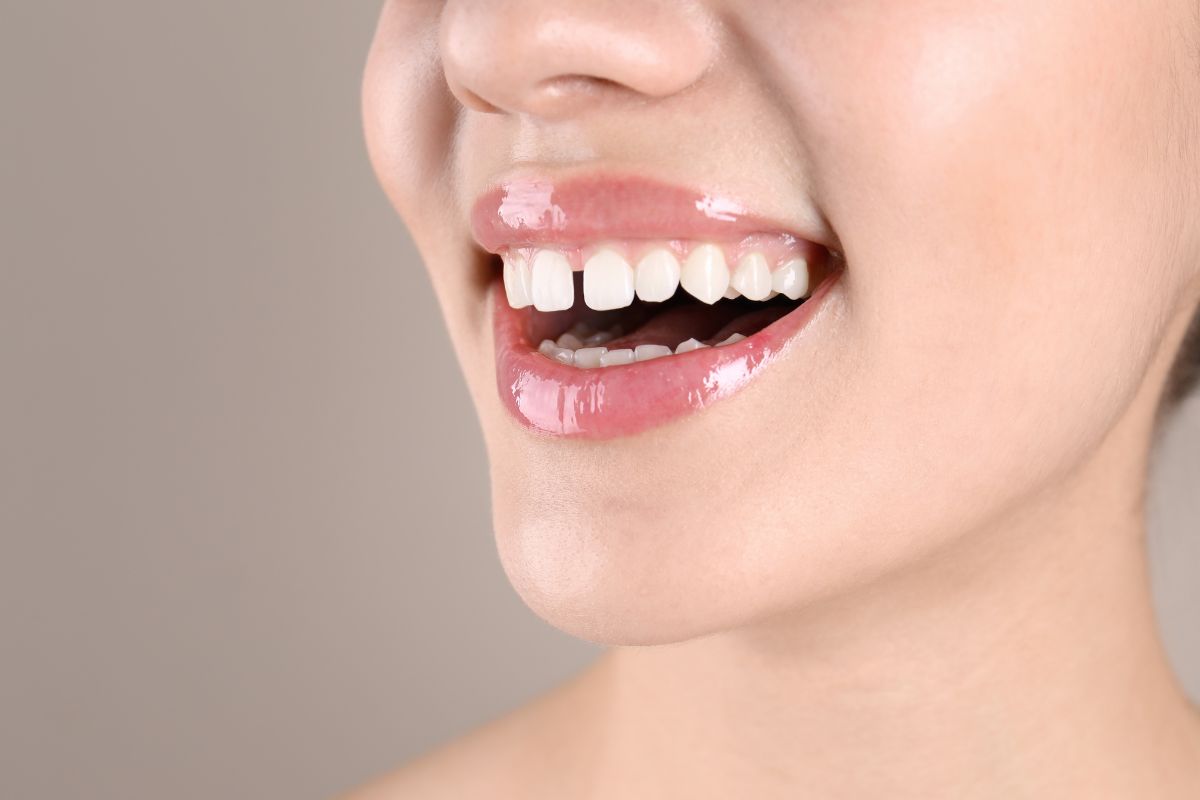

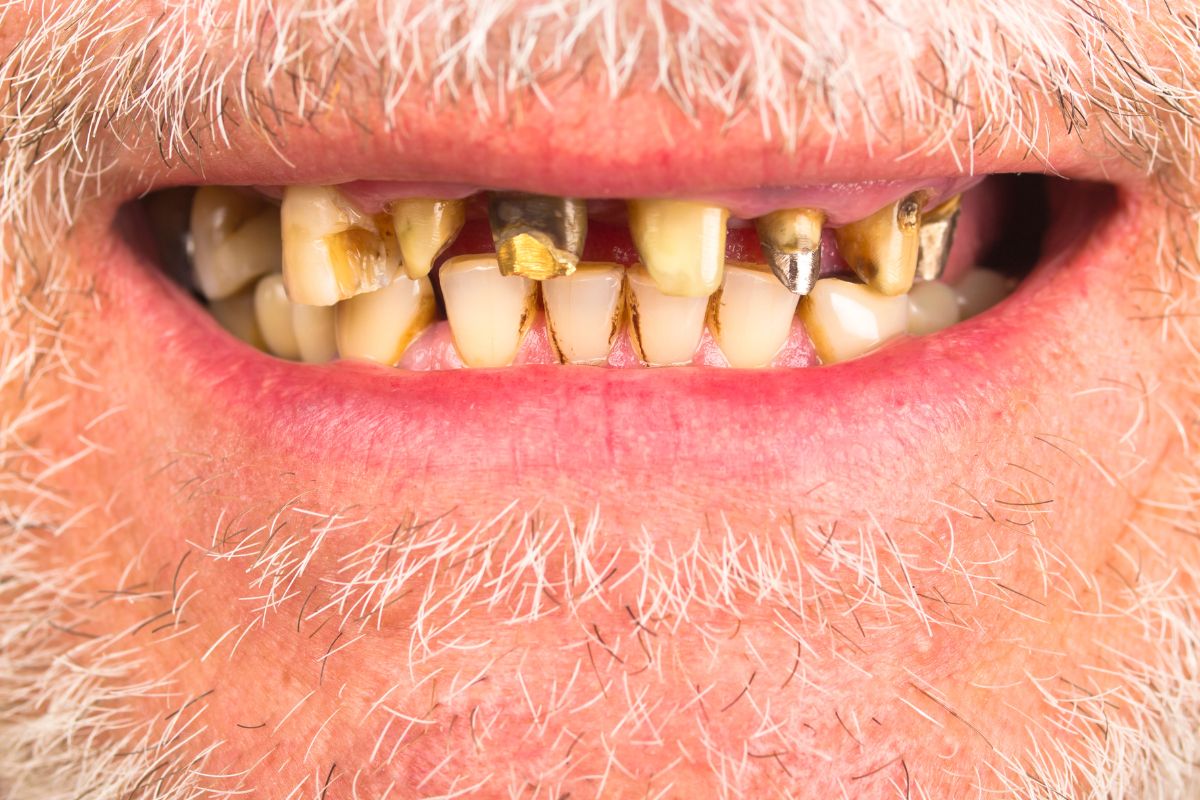
A healthy smile can leave a lasting impression, so noticing black spots or dark discoloration on your teeth can feel alarming. Many adults wonder whether black teeth are simply stains or a sign of a more serious dental issue. The truth is that black teeth can develop for several reasons, ranging from harmless surface staining to advanced tooth decay that requires professional treatment.
Understanding what causes black teeth and knowing when to seek professional dental care can help protect your oral health and restore your confidence. At Gold Coast Family Dental of Port Washington, patients receive comprehensive treatment options designed to address discoloration, decay, and long-term smile health.
What Does It Mean When Teeth Turn Black?
Black teeth can appear in several ways. Some people notice tiny black dots near the gumline, while others experience darkening across the entire tooth. In some cases, discoloration may start as brown or gray and gradually become darker over time.
The underlying cause determines whether the issue is cosmetic or a sign of damage within the tooth structure. Surface stains are usually less serious, while deep discoloration can indicate decay, trauma, or infection.
Adults should never ignore sudden or worsening tooth discoloration because early treatment often prevents more extensive procedures later.
Common Causes of Black Teeth in Adults
1. Tooth Decay and Cavities
One of the most common reasons adults develop black teeth is tooth decay. Cavities form when bacteria in the mouth produce acids that weaken enamel. As decay progresses deeper into the tooth, dark spots may appear.
If left untreated, the cavity can spread into the inner layers of the tooth and eventually cause severe pain, infection, or tooth loss.
Signs that black discoloration may be caused by decay include:
- Sensitivity to hot or cold foods
- Pain when chewing
- Visible holes in the tooth
- Persistent bad breath
- Dark pits or spots on the tooth surface
Regular visits to a trusted dentist can help detect cavities before they become severe.
2. Tartar Buildup
Tartar, also called calculus, develops when plaque hardens on the teeth. Over time, tartar can appear yellow, brown, or black, especially near the gumline.
Black tartar is common in adults who smoke or consume large amounts of coffee, tea, or red wine. Poor oral hygiene can also contribute to tartar buildup.
Unlike plaque, tartar cannot be removed with brushing alone. Professional cleanings are necessary to safely eliminate hardened deposits.
3. Smoking and Tobacco Use
Smoking is one of the leading causes of tooth discoloration in adults. Nicotine and tar easily stain enamel, causing teeth to become yellow, brown, or black over time.
Tobacco products also increase the risk of gum disease, dry mouth, and oral infections, all of which can worsen discoloration and overall oral health.
Quitting smoking not only benefits your smile but also improves your general health and lowers your risk of oral cancer.
4. Certain Foods and Drinks
Dark-colored foods and beverages can stain teeth gradually. Common culprits include:
- Coffee
- Tea
- Red wine
- Soda
- Soy sauce
- Berries
These stains usually develop slowly and affect the outer enamel layer. While professional whitening may help remove some stains, severe discoloration may require additional cosmetic treatment.
5. Medications
Some medications can contribute to black or darkened teeth. Iron supplements, liquid medications, and certain antibiotics may stain teeth, especially when used for long periods.
Chemotherapy and radiation treatments can also affect tooth color in some adults.
If you suspect medication-related staining, speak with your healthcare provider and your dentist about possible alternatives or preventive strategies.
6. Tooth Trauma
An injured tooth may darken after trauma. When a tooth experiences a hard impact, the blood vessels inside the tooth can become damaged. As a result, the tooth may turn gray, brown, or black.
Sports injuries, falls, and accidents are common causes of dental trauma in adults.
A dark tooth following an injury should always be evaluated because it may indicate nerve damage or internal infection.
7. Dead Tooth Pulp
When the pulp inside a tooth dies due to infection or trauma, the tooth can gradually darken. This often occurs alongside pain, swelling, or sensitivity.
Without treatment, the infection can spread to surrounding tissues and bone.
Root canal therapy is commonly used to remove infected tissue and preserve the natural tooth.
8. Poor Oral Hygiene
Inconsistent brushing and flossing allow plaque and bacteria to accumulate. Over time, this buildup can lead to staining, tartar formation, gum disease, and decay.
Maintaining a consistent oral hygiene routine is one of the simplest ways to prevent black teeth and other dental problems.
Are Black Teeth Always Permanent?
Not necessarily. Some black discoloration is temporary and can be removed with professional cleanings or whitening procedures. However, discoloration caused by deep decay or internal tooth damage often requires restorative treatment.
The sooner you seek dental care, the better the chances of preserving your natural tooth structure.
Treatment Options for Black Teeth
Treatment depends on the underlying cause of the discoloration. A professional examination helps determine the most effective solution.
Professional Dental Cleaning
If tartar or surface stains are causing the discoloration, a dental cleaning may restore your smile. Professional cleanings remove hardened plaque and surface buildup that brushing cannot eliminate.
Routine cleanings also help prevent gum disease and tooth decay.
Tooth Fillings
For small cavities, fillings are commonly used to repair damaged areas and stop decay from spreading. Modern tooth-colored fillings blend naturally with surrounding teeth.
Root Canal Therapy
When the inside of a tooth becomes infected or damaged, root canal treatment may be necessary. This procedure removes infected pulp while preserving the outer tooth structure.
At Gold Coast Family Dental of Port Washington, patients have access to advanced restorative and endodontic care under one roof.
Dental Crowns
Severely damaged or weakened teeth may require dental crowns. Crowns cover and protect the tooth while restoring appearance and function.
Crowns are especially useful after root canal treatment or large cavities.
Teeth Whitening
Professional whitening can help remove certain types of external staining caused by food, drinks, and smoking. However, whitening may not be effective for internal discoloration.
Your dentist can recommend the safest whitening option based on your specific needs.
Veneers
For cosmetic concerns involving stubborn discoloration, veneers may provide an effective solution. Veneers are thin porcelain shells placed over the front of teeth to create a brighter, more uniform smile.
Tooth Extraction and Replacement
If a tooth is too damaged to save, extraction may be necessary. Missing teeth can then be replaced with dental implants, bridges, or dentures.
The team at Gold Coast Family Dental of Port Washington offers comprehensive restorative treatment options designed to help patients regain healthy, confident smiles.
How to Prevent Black Teeth
Preventing black teeth starts with consistent oral hygiene and healthy lifestyle habits.
Here are several important prevention tips:
- Brush at least twice daily with fluoride toothpaste
- Floss every day
- Limit sugary foods and drinks
- Reduce coffee, tea, and red wine intake
- Avoid tobacco products
- Drink plenty of water
- Schedule regular dental checkups and cleanings
Professional exams allow early detection of problems before they become more serious and costly.
Why Regular Dental Visits Matter
Many adults delay dental visits until discomfort appears, but dental problems often develop silently. By the time black discoloration becomes visible, the underlying issue may already be advanced.
Routine visits allow your dentist to identify cavities, gum disease, and staining early while offering preventive treatment options that save time and money.
Patients in Port Washington benefit from comprehensive, patient-focused dental care at our Port Washington dental office, where personalized treatment plans are designed to support long-term oral health.
Restore Your Smile With Professional Dental Care
Black teeth can affect both your oral health and self-confidence, but effective treatment options are available. Whether the issue is caused by staining, tartar, decay, or injury, early intervention can help protect your smile and prevent further complications.
If you have noticed dark spots, discoloration, or tooth pain, don’t wait for the problem to worsen. The experienced team at Gold Coast Family Dental of Port Washington provides advanced, compassionate dental care for patients throughout Port Washington and nearby communities. From preventive cleanings to restorative and cosmetic treatments, their team is committed to helping you achieve a healthier, brighter smile. Call today at 631-824-2983 or book an appointment online to get started.
Frequently Asked Questions
1. Can black teeth become white again?
In many cases, yes. Surface stains and tartar may be removed through professional cleanings or whitening treatments. However, deep internal discoloration may require crowns, veneers, or root canal therapy.
2. Is a black tooth always a cavity?
Not always. Black discoloration can result from staining, tartar, trauma, medications, or decay. A dental exam is the best way to determine the exact cause.
3. Can smoking permanently stain teeth?
Smoking can cause severe staining over time. Some stains can be removed professionally, but long-term tobacco use may lead to permanent discoloration and other oral health complications.
4. Are black spots on teeth dangerous?
Black spots may indicate tooth decay or tartar buildup. Ignoring them can allow dental problems to worsen, so it is important to seek evaluation promptly.
5. How often should adults visit the dentist?
Most adults should schedule dental checkups every six months. Patients with gum disease, heavy tartar buildup, or other concerns may require more frequent visits.