
Losing a tooth is more than just a gap in your smile; it can trigger a silent and significant problem: jawbone degeneration. Many people are unaware that once a tooth is gone, the jawbone in that area no longer receives the stimulation it needs, leading to its gradual reabsorption. This can result in a sunken facial appearance, difficulty with chewing, and even the loss of adjacent teeth. The good news is that dental implants offer a powerful and often overlooked solution to this issue.
Understanding Jawbone Degeneration After Tooth Loss
When you bite and chew, the forces are transmitted through your tooth roots to the surrounding jawbone. This constant stimulation is crucial for maintaining bone density and health. Think of it like muscles: they atrophy if you don’t use them. The same principle applies to your jawbone. Once a tooth is extracted or lost due to trauma or disease, the alveolar bone (the part of the jawbone that supports the teeth) begins to resorb.
This process can lead to several undesirable consequences:
- Shrinking Jawbone: The jawbone progressively shrinks, losing height and width.
- Facial Changes: This can alter your facial contours, leading to a “sunken” or aged appearance, particularly around the mouth and lower face.
- Loose Dentures: If you wear dentures, a shrinking jawbone means they will fit less securely, leading to discomfort, sores, and difficulty speaking and eating.
- Risk to Adjacent Teeth: Bone loss can compromise the support for neighboring teeth, potentially leading to their loosening or even loss.
How Dental Implants Act as a Solution
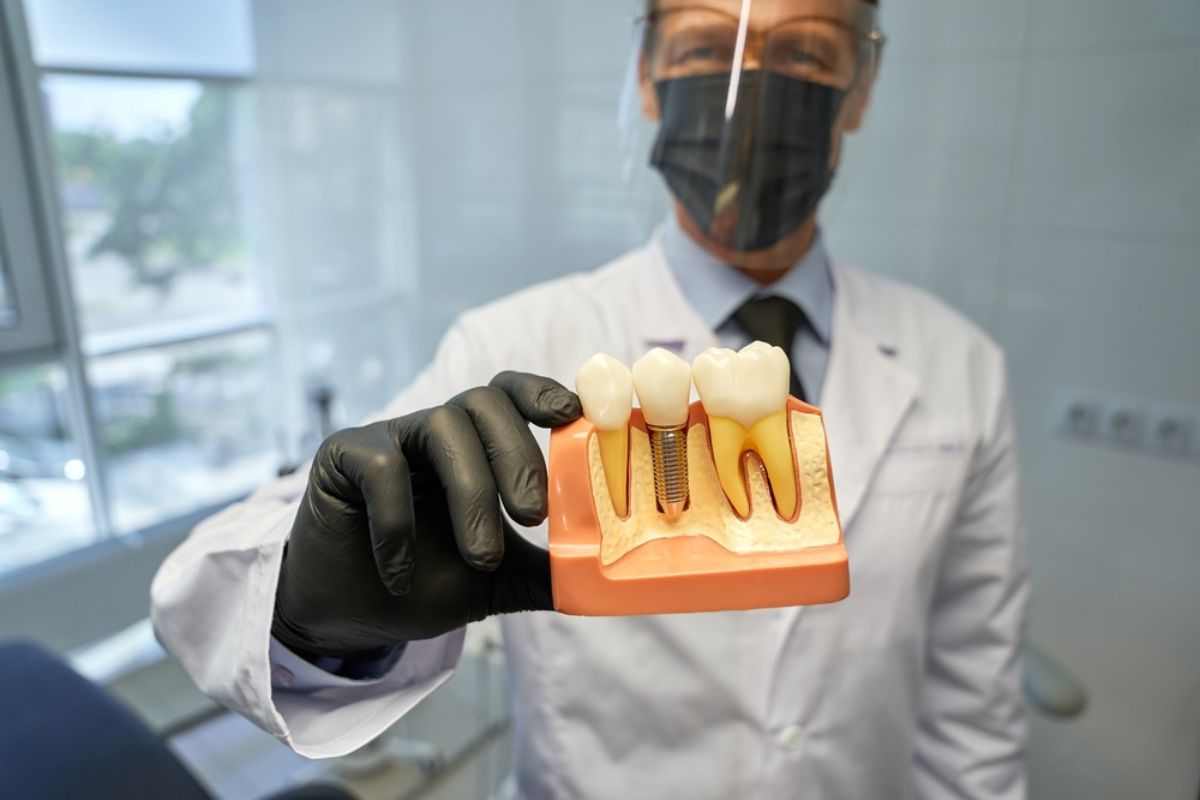
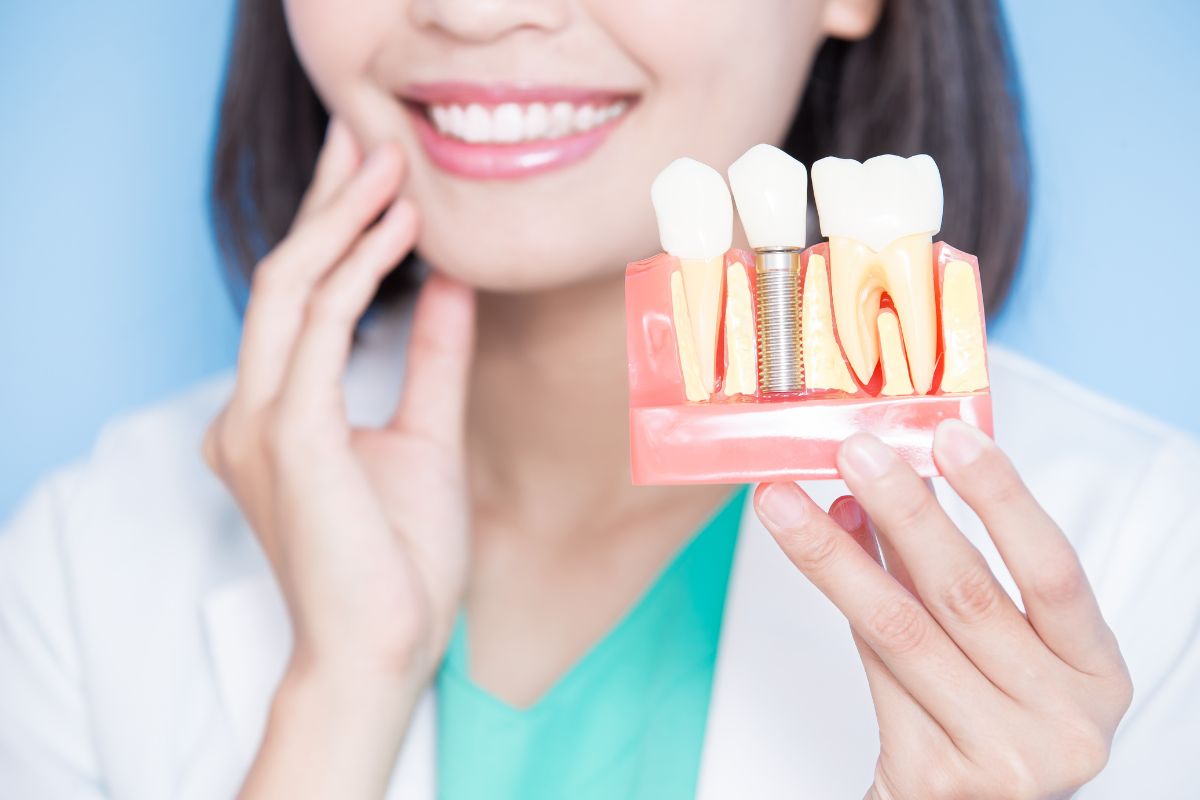
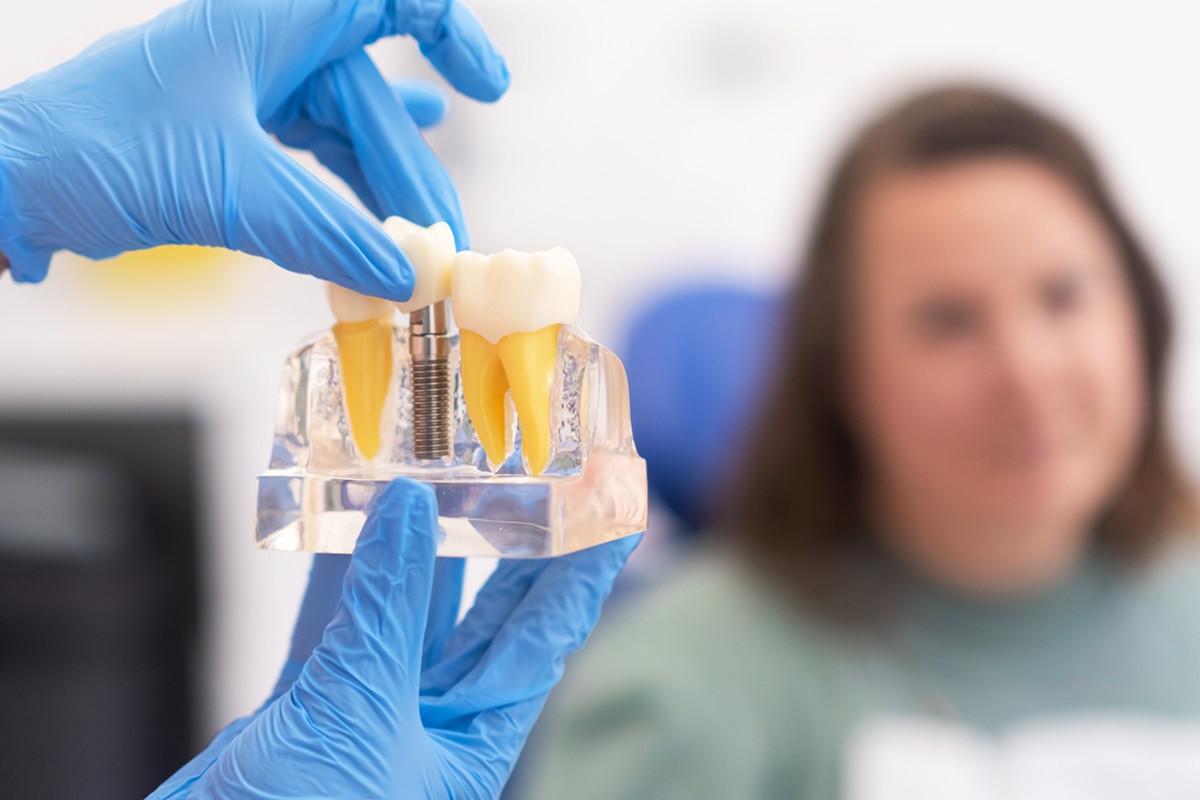
Dental implants are unique among tooth replacement options because they address the visible problem of a missing tooth and the underlying issue of bone loss. An implant consists of a small, biocompatible titanium post surgically placed into the jawbone, acting as an artificial tooth root.
Here’s how they combat jawbone degeneration:
- Osseointegration: The Key Process: The magic of dental implants lies in osseointegration, a process in which the titanium implant post fuses directly with the surrounding jawbone over several months. This biological bond makes the implant incredibly strong and stable, effectively mimicking the natural root of a tooth.
- Stimulating the Bone: Once integrated, the implant, topped with a crown, bridge, or denture, transmits chewing forces directly to the jawbone, like a natural tooth root. This vital stimulation signals the bone to maintain density and encourages new bone growth around the implant.
- Preventing Further Resorption: By providing this essential stimulation, dental implants halt the destructive process of bone resorption, preserving the existing bone structure and preventing further degeneration.
Beyond Preservation: Bone Grafting and Implants
In cases where significant bone loss has already occurred, dental implants can still be a viable option, often in conjunction with bone grafting procedures. Bone grafting involves adding bone material (from your body, a donor, or synthetic sources) to the jawbone to increase its volume and density. This creates a stable foundation for the implant to be successfully placed and osseointegrated.
While bone grafting adds an extra step to the treatment process, it demonstrates the comprehensive approach dental implants offer in restoring both function and bone health.
The Long-Term Benefits of Choosing Implants
Opting for dental implants when facing tooth loss offers numerous long-term benefits that extend beyond just a restored smile:
- Preserved Facial Structure: Implants help maintain natural facial contours by preventing bone loss, avoiding the “collapsed” look associated with significant jawbone atrophy.
- Improved Chewing Efficiency: Implants provide a stable and strong foundation for chewing, allowing you to enjoy a variety of foods confidently.
- Enhanced Speech: Secure tooth replacements eliminate the slurring and clicking sometimes associated with ill-fitting dentures.
- Durability and Longevity: Dental implants can last a lifetime with proper care, making them a highly cost-effective long-term solution.
- Protection of Remaining Teeth: Unlike bridges, implants do not require altering adjacent healthy teeth, further preserving your natural dentition.
Is It the Right Solution for You?
If you are missing teeth or anticipate tooth loss, discussing dental implants with a qualified dental professional is highly recommended. We encourage you to visit our dental office to explore your options further. Our team can assess your oral health, evaluate the condition of your jawbone, and determine if you are a suitable candidate for implant treatment. While the initial investment might seem higher than other options, the long-term benefits, particularly in preventing and managing jawbone degeneration, make dental implants invaluable for oral health and overall well-being. Don’t hesitate to book an appointment to learn more about how dental implants can transform your smile and preserve your jawbone health.