
Dental implants are widely considered the gold standard for replacing missing teeth, offering unmatched stability, function, and a natural appearance. However, many people who need them have a history of gum disease, also known as periodontal disease. This common concern leads to a critical question: Can you get dental implants if you have gum disease?
The short answer is yes, but not while the disease is active and untreated. For a dental implant to succeed, it requires a healthy foundation of bone and gum tissue. Active gum disease creates an infectious and unstable environment, significantly increasing the risk of implant failure.
What is Gum Disease and Why is it a Risk?
Gum disease is an infection of the tissues that hold your teeth in place. It progresses through stages, and understanding these is crucial to your implant candidacy.
Gingivitis (Early Stage)
This is the mildest form, characterized by red, swollen gums that may bleed easily. It’s caused by plaque build-up and is typically reversible with professional cleaning (scaling) and a rigorous at-home oral hygiene routine.
Periodontitis (Advanced Stage)
If gingivitis is left untreated, it progresses to periodontitis. The infection spreads below the gum line, causing the gums to recede, forming “pockets,” and critically, leading to loss of the jawbone that supports the teeth.
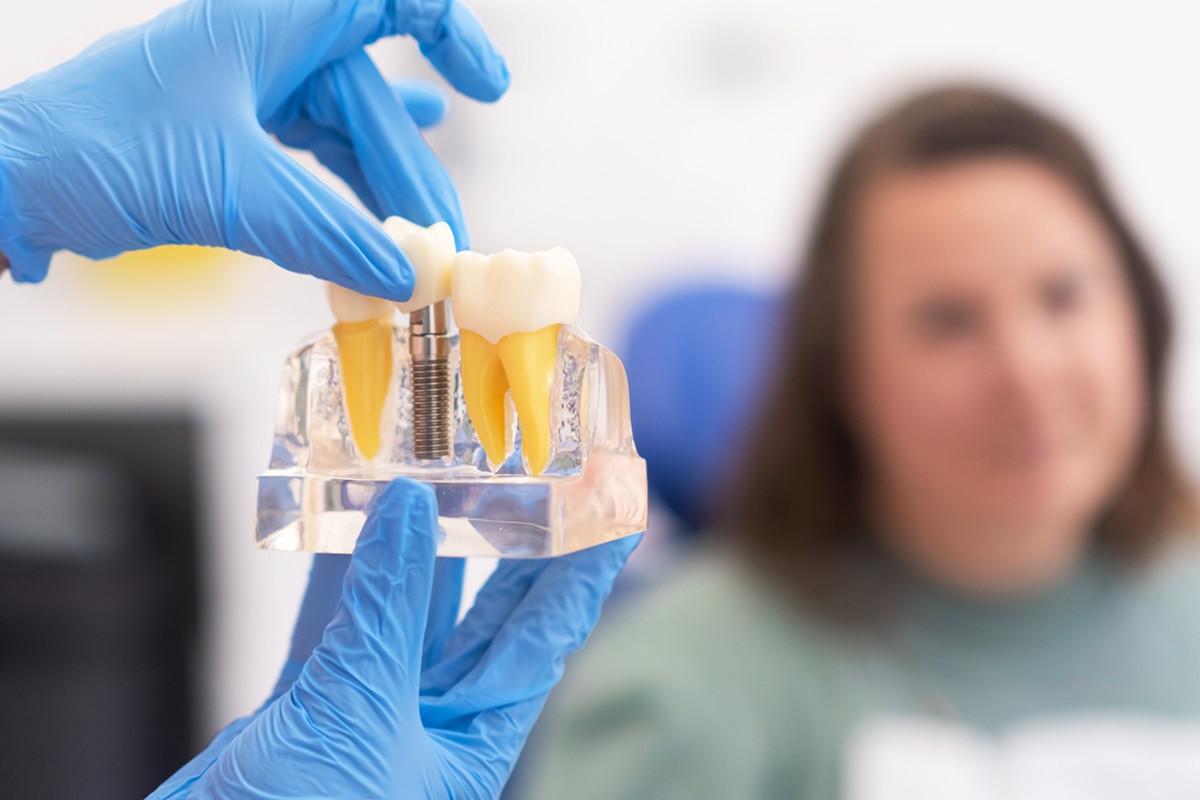
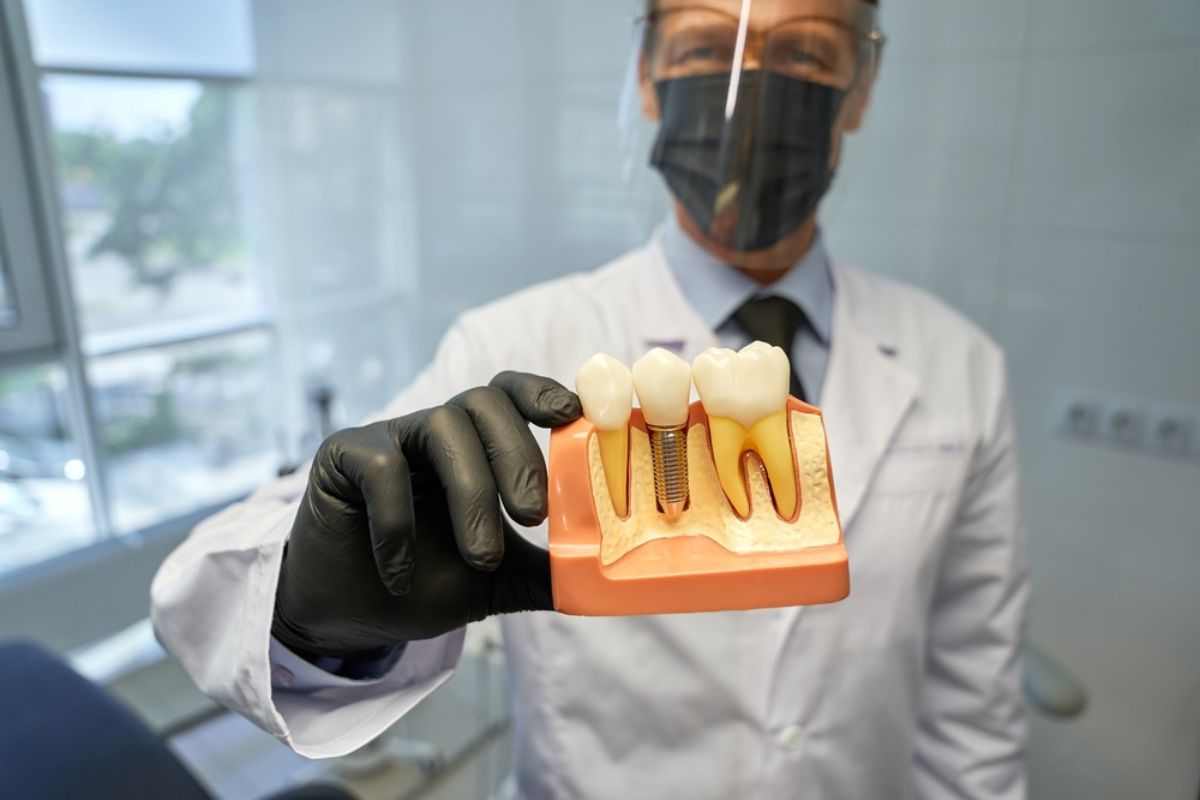
Dental implants are titanium posts that fuse with the jawbone in osseointegration. Severe periodontitis directly compromises the success of this fusion by destroying the vital bone structure and creating a constant source of infection. Placing an implant into active, diseased tissue is highly likely to fail.
The Essential First Step: Treating Gum Disease
The good news is that having a history of gum disease doesn’t permanently disqualify you from getting implants. The essential prerequisite is achieving gum health stability before the implant procedure begins.
Your implant dentist or periodontist (a gum specialist) will develop a comprehensive treatment plan, which may include:
- Deep Cleaning (Scaling and Root Planing): A non-surgical procedure to thoroughly remove plaque and tartar deposits from below the gum line.
- Antibiotic Therapy: Local or systemic antibiotics to help control bacterial infection.
- Periodontal Surgery: In advanced cases, surgery may be required to access and clean deep pockets or to regenerate lost tissue.
- Lifestyle Changes: Quitting smoking is paramount, as tobacco use is a major risk factor for both gum disease and implant failure.
Only once your gums show clear signs of stability—no active bleeding, swelling, or infection—will your dental team consider you ready for the next stage of treatment. This period of stabilization can take several months.
Rebuilding the Foundation: Addressing Bone Loss
One of the most damaging consequences of severe periodontitis is jawbone deterioration. Since implants need a minimum amount of healthy, dense bone for secure placement, a common procedure after treating the infection is:
- Bone Grafting: If insufficient bone remains, a bone graft (using bone material from your own body, a donor, or synthetic material) is performed to regenerate the lost tissue and create a strong anchor for the implant.
This procedure adds significant time to the overall timeline, as the graft needs several months to fully heal and integrate before the implant can be placed. In cases of significant gum recession, a gum graft may also be necessary to cover the implant and protect the underlying bone from infection.
The Long-Term Success: Preventing Peri-Implantitis
Successful implant placement is just the beginning. Patients with a history of gum disease are naturally more susceptible to a related condition called peri-implantitis.
What is Peri-Implantitis?
This is essentially gum disease that develops around a dental implant. It causes inflammation and bone loss around the implant post, and if left untreated, it can lead to the implant becoming loose and eventually failing.
Prevention and Maintenance:
Ongoing, meticulous care is the gold standard for success.
- Impeccable Oral Hygiene: Daily brushing (with specialized tools for implants) and flossing are non-negotiable.
- Regular Professional Maintenance: You will need more frequent check-ups and cleanings (often every three to four months) with your dentist or hygienist to monitor the tissue around your implants and prevent the build-up of bacteria.
- Risk Factor Control: Managing conditions like diabetes and avoiding smoking are crucial for the long-term health of your implants.
Key Takeaway
While you cannot receive dental implants with active gum disease, this condition is a manageable barrier, not an absolute stop sign. Through thorough, sequential treatment—eliminating the infection and potentially rebuilding lost bone and gum tissue—dental implants can be a successful and life-changing solution for many people. Your implant journey begins with a commitment to restoring your gum health. We invite you to visit our dental office for an initial consultation and assessment. If you are ready to take the next step toward a stable, complete smile, please book an appointment with our specialized team today.