
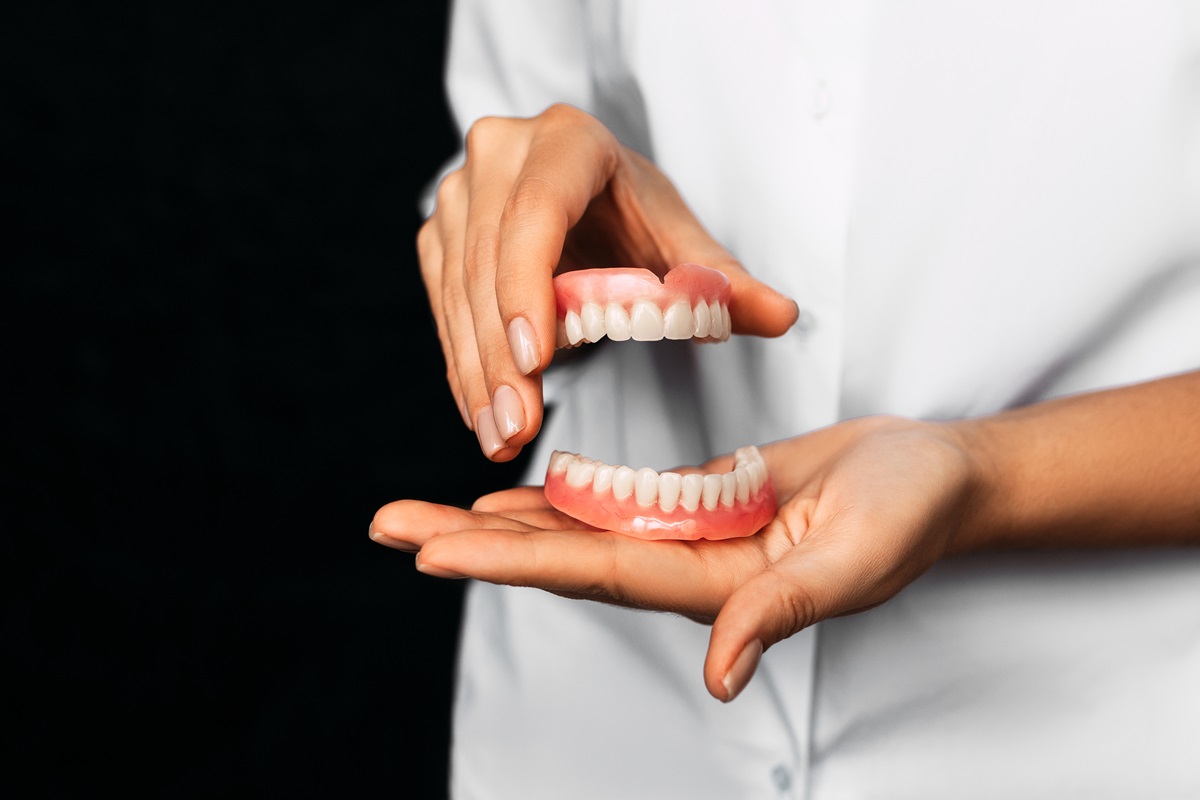
If you wear dentures, you may wonder whether chewing gum is still an option. Many patients miss the simple habit of chewing gum after tooth loss, especially for freshening breath or keeping the mouth busy throughout the day. The good news is that some denture wearers can safely chew gum, but it depends on the type of dentures you have, the gum you choose, and how well your dentures fit.
At Gold Coast Family Dental of Port Washington, patients often ask their dentist whether chewing gum can damage dentures or loosen them. Understanding the right techniques and precautions can help protect your smile while keeping your dentures comfortable and functional.
Is It Safe to Chew Gum with Dentures?
In many cases, yes, but not all gum is denture-friendly.
Traditional chewing gum can stick to dentures, pull them out of place, or create unnecessary stress on the appliance. Some gums contain sticky sugars or have a thick texture that makes chewing difficult for denture wearers.
However, specially designed sugar-free gums made for denture users are often softer and less adhesive. These products are typically easier to chew and less likely to cling to the denture surface.
Your experience may also depend on:
- Whether you have full or partial dentures
- How securely your dentures fit
- Whether you use denture adhesive
- Your jaw strength and chewing habits
- The condition of your gums and jawbone
Patients with implant-supported dentures often find chewing gum easier because the dentures are more stable during chewing.
Why Some Denture Wearers Struggle with Gum
Dentures do not function exactly like natural teeth. Even high-quality dentures can move slightly while chewing, especially lower dentures. This movement can make sticky gum frustrating or uncomfortable.
Some common problems include:
Dentures Slipping
Sticky gum may pull dentures away from the gums, especially if the fit is loose. Lower dentures are usually more prone to movement because they have less surface area for support.
Gum Sticking to Dentures
Regular chewing gum can become trapped around denture edges or clasps, making cleanup difficult.
Jaw Soreness
Chewing gum for long periods may cause jaw fatigue, especially for new denture wearers who are still adjusting.
Increased Irritation
If dentures already create pressure points or sore spots, chewing gum may worsen irritation.
If you experience discomfort while chewing, it may be time to visit our dental office for a denture adjustment or evaluation.
Best Types of Gum for Denture Wearers
Not all chewing gum is created equal. If you wear dentures, choosing the right type can make a major difference.
Sugar-Free Gum
Sugar-free gum is usually the safest option because it reduces the risk of plaque buildup and dry mouth complications. Ingredients like xylitol may also help support oral health.
Non-Sticky Gum
Some brands specifically market gum for denture wearers. These formulas are designed to reduce sticking and improve comfort.
Soft Gum
Softer gum is easier to chew evenly and places less pressure on dentures.
Avoid gum that is:
- Extremely sticky
- Hard to chew
- Loaded with sugar
- Oversized or thick
A dentist can recommend products that work best with your specific type of denture.
Tips for Chewing Gum Safely with Dentures
If you want to try chewing gum while wearing dentures, start slowly and follow these safety tips.
Start with Small Pieces
Use a small amount of gum at first to see how your dentures respond.
Chew Evenly on Both Sides
Chewing on one side only may shift dentures out of place. Balanced chewing helps maintain stability.
Go Slowly
Quick or aggressive chewing increases the chance of denture movement.
Remove Gum Carefully
When finished, remove the gum gently to avoid pulling on the dentures.
Keep Dentures Clean
Sticky residue can collect on dentures if they are not cleaned properly. Good dental care habits are essential for maintaining both oral health and denture longevity.
Stop if You Feel Pain
Discomfort, looseness, or sore spots should never be ignored. A properly fitting denture should feel stable and comfortable during normal daily activities.
Can Chewing Gum Damage Dentures?
Chewing gum itself usually does not damage dentures directly, but poor chewing habits or ill-fitting dentures can contribute to problems over time.
Potential issues include:
- Cracks from uneven pressure
- Warping from excessive force
- Loosening due to poor fit
- Increased wear on denture materials
Patients sometimes assume their dentures are “just old,” when in reality they may simply need a professional adjustment or reline. Denture fit naturally changes over time as the jawbone and gums shift.
Regular dental checkups help identify small issues before they become larger problems.
What About Implant-Supported Dentures?
Implant-supported dentures are generally much more stable than traditional removable dentures. Because they attach securely to dental implants, they typically provide greater chewing strength and less slippage.
Many patients with implant-supported dentures can chew gum more comfortably than those with conventional dentures. Still, it is important to choose appropriate gum and follow your dentist’s recommendations.
At Gold Coast Family Dental in Port Washington, patients can explore several restorative dentistry options, including dentures and implant-supported restorations tailored to their needs.
How to Know If Your Dentures Fit Properly
If chewing gum feels impossible, your dentures may not fit as well as they should.
Signs of poor denture fit include:
- Clicking sounds while talking
- Frequent slipping
- Difficulty chewing
- Sore spots
- Gum irritation
- Trouble speaking clearly
- Increased need for adhesive
A dentist can evaluate whether your dentures need adjustment, replacement, or relining.
Modern dentures are designed for improved comfort, appearance, and functionality. Digital scanning and personalized treatment planning can help create a more secure fit for many patients.
Denture Care Matters
Healthy dentures require proper maintenance. Whether or not you chew gum, consistent dental care helps extend the life of your dentures and supports your oral health.
Helpful denture care habits include:
- Cleaning dentures daily
- Soaking dentures overnight when recommended
- Removing food debris after meals
- Avoiding extremely hard or sticky foods
- Scheduling regular dental visits
- Having dentures professionally checked for fit
Neglecting denture maintenance can lead to odor, staining, gum irritation, and discomfort.
At Gold Coast Family Dental of Port Washington, patients receive personalized treatment plans designed to improve comfort, function, and confidence.
Tips for New Denture Wearers
If you recently received dentures, it is best to wait before trying chewing gum.
Your mouth needs time to adapt to:
- Speaking with dentures
- Eating with dentures
- Bite pressure changes
- Muscle coordination
Most dentists recommend starting with soft foods first and gradually introducing more challenging textures.
Once you feel like chewing regular foods, you can discuss gum options during your next appointment.
Schedule Your Denture Consultation in Port Washington
If your dentures feel loose, uncomfortable, or make chewing difficult, the team at Gold Coast Family Dental of Port Washington is here to help. Our experienced dentist provides personalized dental care solutions to improve comfort, function, and confidence for patients throughout Port Washington and surrounding communities.
Whether you need a denture adjustment, replacement, or implant-supported restoration, we’re committed to helping you enjoy everyday activities with greater ease.
Visit our dental office today to learn more about your denture options and book an appointment with our friendly team in Port Washington, NY.
FAQs
1. What type of gum is best for dentures?
Sugar-free, non-sticky gum designed for denture wearers is usually the safest choice.
2. Can gum pull dentures out?
Yes, sticky gum may loosen or dislodge dentures, especially if they do not fit properly.
3. Is chewing gum bad for dentures?
Not necessarily. With the right gum and proper chewing habits, many people can chew gum safely.
4. Can implant-supported dentures handle gum better?
Yes. Implant-supported dentures are often more stable and better suited for chewing gum.
5. Should I use denture adhesive before chewing gum?
Some patients find adhesive helpful for additional stability, but if you constantly rely on adhesive, your dentures may need adjustment.
6. How do I clean gum residue off dentures?
Use a denture brush and non-abrasive denture cleanser. Avoid hot water, which can warp denture materials.
7. When should I see a dentist about denture problems?
You should schedule an appointment if you experience looseness, pain, sore spots, difficulty chewing, or changes in fit.