
We’ve all heard it: “Don’t eat too much sugar, or you’ll get cavities!” This age-old warning often rings in our ears, especially when reaching for that extra cookie or a fizzy drink. But is it really that simple? Does sugar directly and solely cause cavities? Let’s dive into the fascinating science behind tooth decay and uncover the proper role of sugar.
The Cavity Culprit: It’s Not Just Sugar, It’s What Happens Next
While sugar plays a significant role, it’s not the sugar itself that directly drills holes in your teeth. Think of sugar as the fuel, and bacteria in your mouth as the engine. Our mouths are home to a vast ecosystem of bacteria—some beneficial and some not so much. Among the latter are strains like Streptococcus mutans, a primary culprit in cavity formation.
These oral bacteria feast on the sugar when you consume sugary foods and drinks. As they metabolize the sugar, they produce acids as a byproduct. These acids are the real villains.
The Acid Attack: How Enamel Suffers
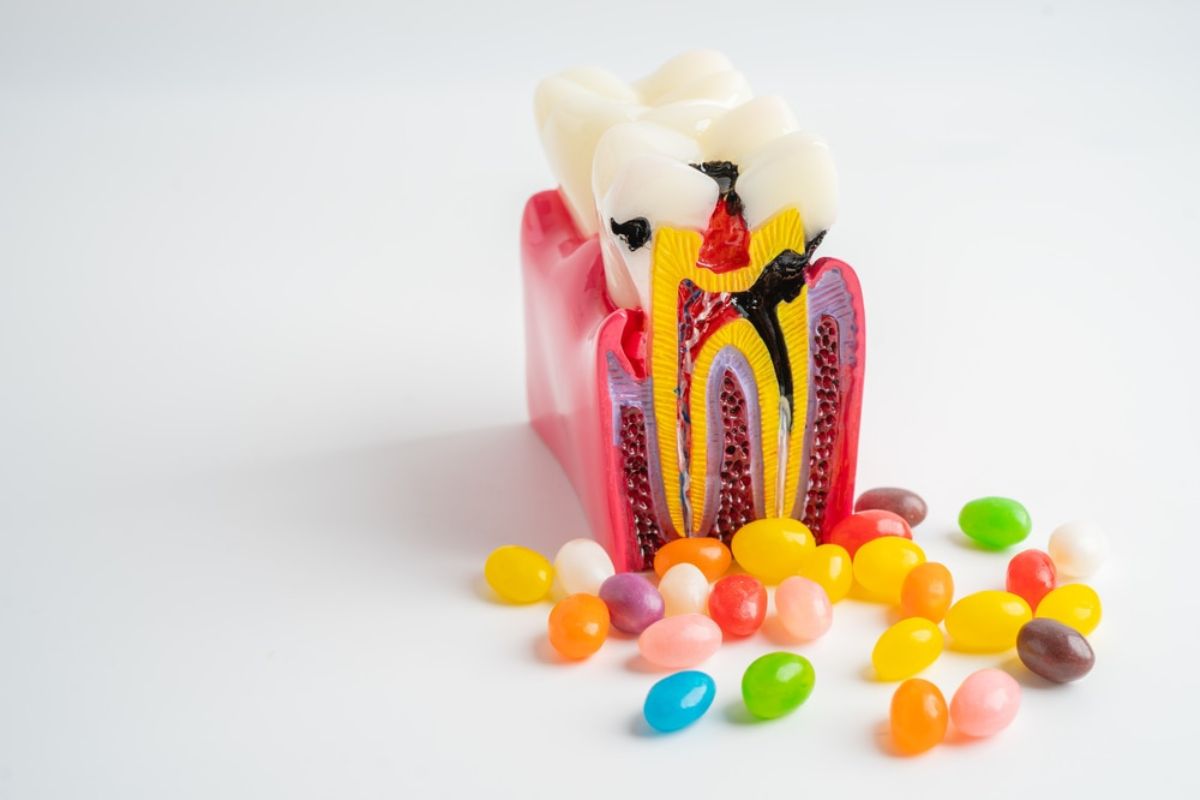
Enamel, the hardest substance in the human body, protects our teeth. Enamel is primarily made of minerals like calcium and phosphate. When bacteria’s acids come into contact with enamel, they begin to dissolve these minerals in a process called demineralization. This weakens the enamel, creating tiny, microscopic pores.
If this acid attack is frequent and prolonged, these tiny pores can grow larger, eventually leading to a full-blown cavity—a hole in the tooth. Once a cavity forms, it can progress deeper into the tooth, affecting the dentin and even the pulp (the innermost part of the tooth containing nerves and blood vessels). If left untreated, this can lead to pain, infection, and potentially tooth loss.
Beyond the Sweet: Other Factors at Play
While sugar is a major contributor, it’s crucial to understand that tooth decay is a multifactorial disease. Several other elements influence your risk of developing cavities:
- Oral Hygiene: This is perhaps the most critical factor. Regular and effective brushing and flossing remove plaque—a sticky film of bacteria and food debris—from your teeth. The less plaque, the less acid production.
- Frequency of Sugar Intake: It’s not just the amount of sugar you eat, but how often you eat it. Snacking throughout the day on sugary treats keeps your teeth exposed to acid attacks for longer periods. Consuming sugary items during mealtimes is better when saliva flow is higher and helps neutralize acids.
- Type of Sugar: Some sugars are more fermentable by bacteria than others. Cavity-causing bacteria readily utilize simple sugars like glucose, fructose, and sucrose.
- Food Texture and Stickiness: Sticky, chewy candies and carbohydrates that linger on your teeth provide a prolonged feast for bacteria.
- Saliva Flow: Saliva is your mouth’s natural defense mechanism. It helps wash away food particles, neutralize acids, and even remineralize enamel. Dry mouth (xerostomia) significantly increases cavity risk.
- Fluoride Exposure: Fluoride, found in fluoridated water, toothpaste, and some mouthwashes, strengthens enamel and makes it more resistant to acid attacks. It can even help reverse early demineralization.
- Genetics: While less impactful than lifestyle, some people may have a genetic predisposition to weaker enamel or a higher concentration of cavity-causing bacteria.
If you’re concerned about your oral health or notice persistent tooth sensitivity, a good dentist in Port Washington can assess your specific situation and recommend the best course of action.
Prevention is Key: Practical Tips for a Healthy Smile
Now that we understand the complex interplay of factors, here’s how you can proactively protect your teeth:
- Limit Sugary Foods and Drinks: Reduce your intake of candies, chocolates, sodas, fruit juices (which can be high in natural sugars), and other sugary processed foods.
- Brush Twice Daily with Fluoride Toothpaste: Brush for two minutes, covering all surfaces of your teeth.
- Floss Daily: Flossing removes plaque and food particles between your teeth and under the gumline, areas your toothbrush can’t reach.
- Rinse with Fluoride Mouthwash (if your dentist recommends): This can provide an extra layer of protection.
- Drink Plenty of Water: Especially fluoridated water. Water helps cleanse your mouth and promotes saliva production.
- Visit Your Dentist Regularly: Professional cleanings remove stubborn plaque and tartar, and your dentist can identify and address any early signs of decay. We encourage you to visit our dental office for a comprehensive check-up.
- Chew Sugar-Free Gum: This can stimulate saliva flow, helping to neutralize acids and wash away food particles.
In conclusion, sugar doesn’t directly carve out cavities. Instead, it is a primary fuel source for specific oral bacteria, producing acids that erode tooth enamel. By understanding this process and adopting good oral hygiene habits, you can significantly reduce your risk of tooth decay and enjoy a healthier, brighter smile. Don’t wait until it’s too late—book an appointment with a dental professional today to maintain your oral health!