

Bad breath can feel embarrassing, frustrating, and surprisingly difficult to get rid of. You brush your teeth, chew gum, rinse with mouthwash, and still notice that unpleasant odor coming back. If this sounds familiar, you are not alone. Chronic bad breath, also called halitosis, affects millions of Americans and often points to an underlying issue that needs professional attention.
The good news is that persistent bad breath is usually treatable. Once you understand the cause, you can take the right steps to improve your oral health and restore your confidence.
At Gold Coast Family Dental of Port Washington, patients receive personalized dental care designed to address both the symptoms and the root causes of bad breath. Whether the problem comes from oral bacteria, gum disease, dry mouth, or another condition, a trusted dentist can help you find lasting relief.
What Causes Bad Breath?
Bad breath does not always come from what you ate for lunch. While foods like garlic and onions can temporarily affect your breath, ongoing halitosis is usually linked to bacteria and oral health problems.
Here are some of the most common causes:
Poor Oral Hygiene
When food particles remain in your mouth after eating, bacteria begin breaking them down. This process releases foul-smelling sulfur compounds that create bad breath. If brushing and flossing are inconsistent, plaque and bacteria continue building up on your teeth, tongue, and gums.
Skipping regular dental care can make the issue worse over time.
Gum Disease
Persistent bad breath is often one of the earliest signs of gum disease. Bacteria trapped below the gumline can create strong odors and inflammation. As gum disease progresses, pockets form around the teeth, allowing even more bacteria to accumulate.
A professional cleaning and periodontal treatment from a dentist may be necessary to fully remove the infection.
Dry Mouth
Saliva plays a major role in keeping your mouth clean. It washes away bacteria and food debris throughout the day. When saliva production decreases, bacteria multiply more easily and bad breath becomes more noticeable.
Dry mouth can result from:
- Certain medications
- Smoking
- Mouth breathing
- Dehydration
- Medical conditions
Patients who wake up with severe morning breath may be experiencing nighttime dry mouth.
Tongue Bacteria
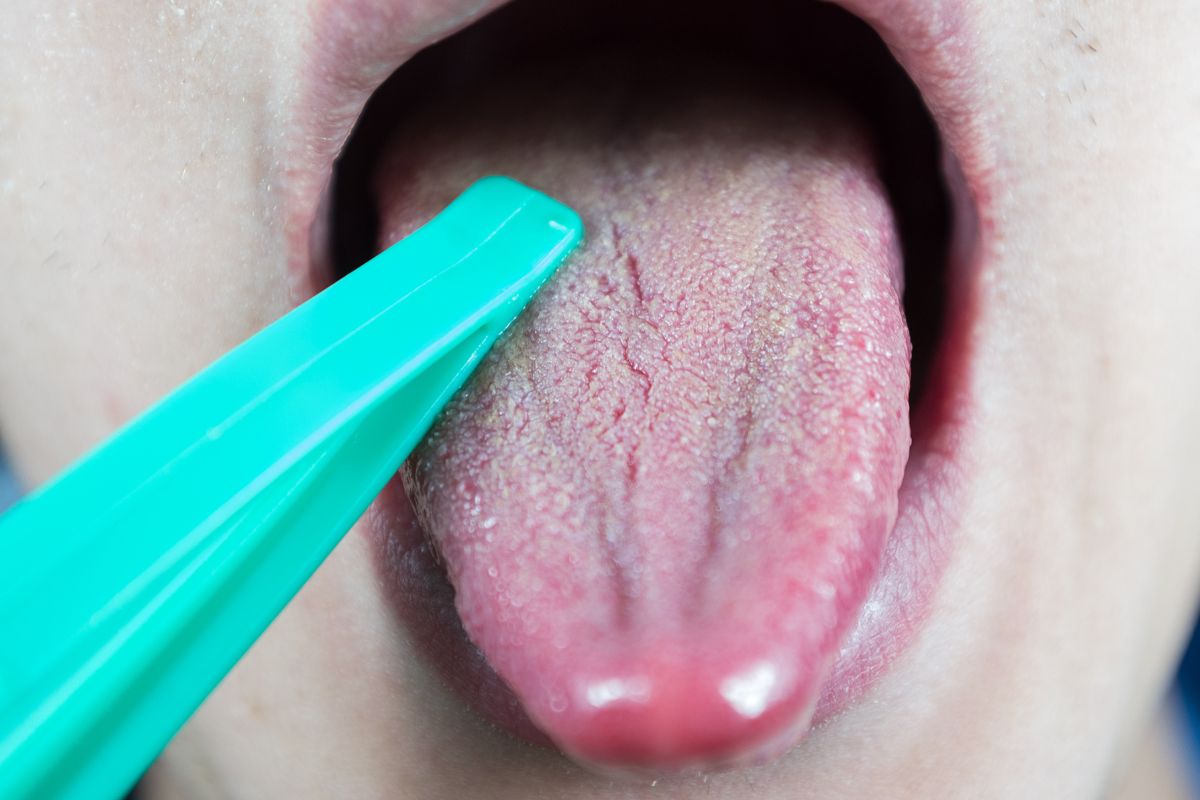
Your tongue contains tiny grooves where bacteria and food particles collect. Even if you brush your teeth regularly, failing to clean your tongue can leave behind odor-causing bacteria.
Tongue scraping or brushing the tongue daily can significantly improve breath freshness.
Cavities and Dental Infections
Untreated tooth decay and infections can create persistent unpleasant odors in the mouth. Food debris and bacteria become trapped in damaged areas of the teeth, making bad breath difficult to eliminate without professional treatment.
If you have tooth pain along with bad breath, it is important to visit our dental office as soon as possible.
Smoking and Tobacco Use
Tobacco products dry out the mouth and leave behind chemicals that contribute to bad breath. Smoking also increases the risk of gum disease, which further worsens oral odor.
Quitting smoking benefits both your breath and your overall health.
Certain Medical Conditions
Sometimes, bad breath is connected to health conditions outside the mouth. Sinus infections, acid reflux, diabetes, and digestive disorders may contribute to persistent odors.
If your dentist rules out oral causes, you may need to consult your physician for additional evaluation.
Signs Your Bad Breath May Need Professional Treatment
Occasional bad breath after meals is normal. However, some symptoms suggest it is time to seek professional dental care.
Watch for these warning signs:
- Bad breath that does not improve with brushing
- A persistent bad taste in your mouth
- Bleeding or swollen gums
- Loose teeth
- Dry mouth
- Tooth sensitivity or pain
- White buildup on the tongue
If you notice any of these issues, scheduling a dental exam can help identify the root cause before it worsens.
How to Fix Bad Breath for Good
Getting rid of chronic bad breath requires more than masking the smell. The key is treating the source of the problem.
Here are the most effective ways to improve your breath long-term.
Improve Your Daily Oral Hygiene Routine
Strong oral hygiene habits are your first line of defense against bad breath.
Be sure to:
- Brush your teeth at least twice daily
- Floss every day
- Clean your tongue regularly
- Replace your toothbrush every three to four months
- Use an antibacterial mouthwash if recommended by your dentist
Consistency matters. Even small improvements in your routine can make a noticeable difference.
Stay Hydrated
Drinking water throughout the day helps rinse away bacteria and keeps saliva production healthy. Dehydration often makes bad breath worse, especially during hot weather or after consuming coffee and alcohol.
If you frequently experience dry mouth, chewing sugar-free gum may also help stimulate saliva flow.
Schedule Regular Dental Cleanings
Professional cleanings remove plaque and tartar that cannot be eliminated through brushing alone. Routine visits also allow your dentist to identify gum disease, cavities, and infections before they become serious problems.
For many patients, persistent bad breath improves dramatically after a thorough cleaning.
At Gold Coast Family Dental of Port Washington, preventive dental care is tailored to each patient’s needs to support healthier smiles and fresher breath.
Treat Gum Disease Early
If gum disease is causing your bad breath, treatment is essential. Deep cleanings and periodontal therapy help remove bacteria beneath the gums and reduce inflammation.
The sooner gum disease is treated, the easier it is to protect your oral health and prevent tooth loss.
Watch Your Diet
Certain foods can temporarily contribute to bad breath, but sugary diets also feed odor-causing bacteria over time.
Try to limit:
- Sugary snacks
- Sticky candies
- Excessive coffee
- Alcohol
Instead, focus on fresh fruits, vegetables, and water-rich foods that support saliva production and oral health.
Don’t Ignore Dental Problems
Cavities, broken teeth, and infections rarely improve on their own. Delaying treatment often allows bacteria to spread and worsen bad breath.
If you suspect a dental issue, it is important to visit our dental office promptly for evaluation and treatment.
Why Mouthwash Alone Is Not Enough
Many people rely heavily on mouthwash to cover bad breath. While mouthwash can temporarily freshen breath, it usually does not address the root cause.
Some alcohol-based rinses may even worsen dry mouth, leading to stronger odors later. The best long-term solution combines good oral hygiene, professional dental care, and treatment for any underlying conditions.
A dentist can recommend products that actually support your oral health rather than simply masking symptoms.
The Confidence Impact of Fresh Breath
Bad breath can affect more than just oral health. It may impact personal relationships, social interactions, and self-confidence. Some people become so anxious about their breath that they avoid conversations or feel uncomfortable in professional settings.
Treating chronic bad breath often improves quality of life in ways patients do not expect. Feeling confident in your smile and breath can positively affect both your social and professional life.
Why Local Patients Trust Gold Coast Family Dental of Port Washington
Finding the right dentist makes a difference when dealing with ongoing oral health concerns. Patients in Port Washington appreciate compassionate care, modern technology, and personalized treatment plans that focus on long-term health.
Gold Coast Family Dental in Port Washington provides comprehensive dental care for families seeking healthier smiles and better oral hygiene. From preventive cleanings to restorative treatments, the team works closely with patients to address the causes of persistent bad breath and improve overall wellness.
Schedule Your Visit Today
You do not have to live with persistent bad breath. The right treatment plan can improve your oral health, boost your confidence, and help you enjoy fresher breath every day.
If bad breath keeps returning despite your at-home efforts, now is the perfect time to book an appointment with us. A trusted dentist can identify the cause of your symptoms and recommend personalized solutions that work for the long term.
Frequently Asked Questions
1. Can bad breath be permanent?
No, bad breath is usually treatable once the underlying cause is identified. Professional dental care, improved hygiene, and addressing medical conditions can often resolve the issue.
2. How do I know if my bad breath is serious?
If your bad breath continues despite brushing, flossing, and mouthwash, or if you have bleeding gums or tooth pain, you should see a dentist for evaluation.
3. Does gum disease always cause bad breath?
Gum disease is one of the most common causes of chronic bad breath, but other issues like dry mouth, cavities, and medical conditions can also contribute.
4. Can drinking more water help with bad breath?
Yes. Staying hydrated supports saliva production, which naturally helps wash away bacteria and food debris in the mouth.
5. Should I scrape my tongue?
Yes. Cleaning your tongue daily can reduce bacteria buildup and improve breath freshness.
6. How often should I see a dentist for cleanings?
Most patients benefit from professional cleanings every six months, although some individuals with gum disease may need more frequent visits.