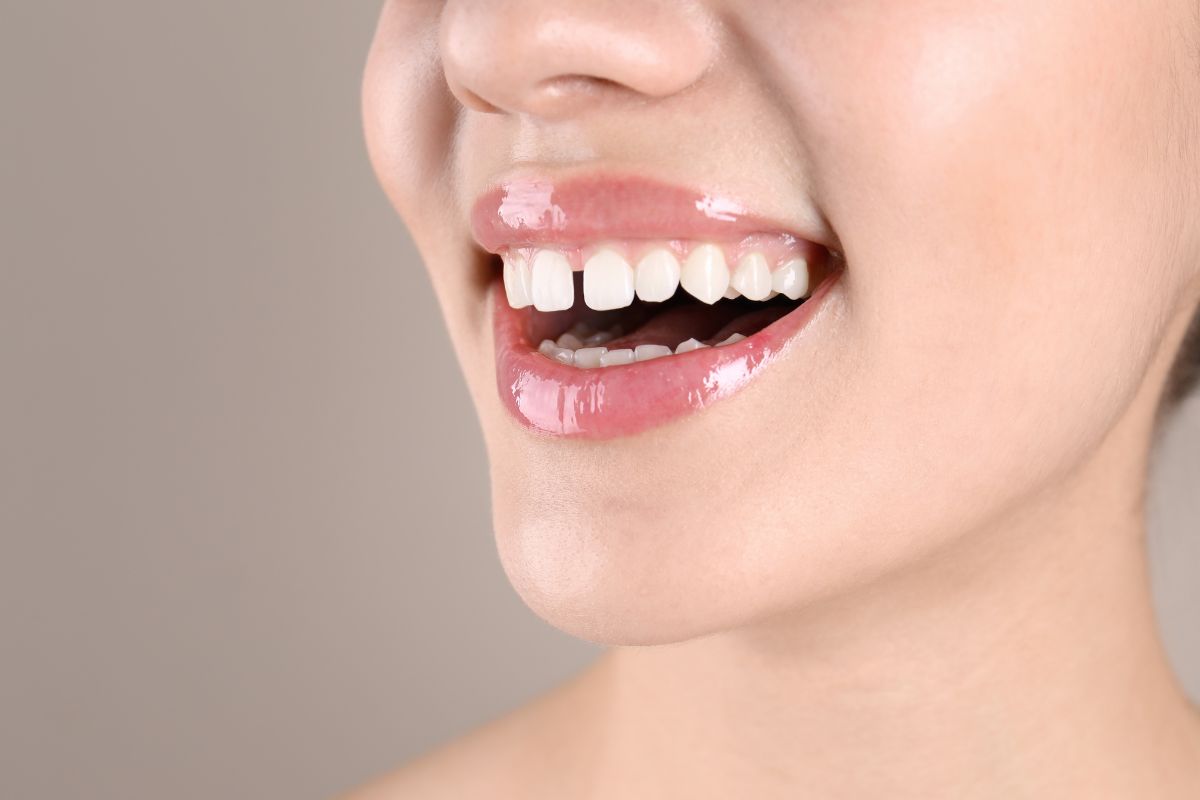


Tooth enamel is the hardest and most mineralized substance in the human body — even stronger than bone. It forms the outer layer of your teeth and protects the more sensitive inner layers (like dentin and pulp) from acid, bacteria, and daily wear.
But enamel isn’t invincible. Frequent exposure to acids — whether from food, drinks, or internal sources — can gradually erode this protective shield. Over time, enamel erosion may lead to increased tooth sensitivity, discoloration, and a higher risk of decay.
Because enamel can’t grow back once lost, preserving it should be a top priority for your long-term oral health. If you’re looking for guidance, a Port Washington dentist can evaluate your teeth and recommend strategies to protect your enamel effectively.
Common Causes of Enamel Erosion
Diet: Acidic & Sugary Foods and Drinks
Acidic foods and beverages are among the biggest contributors to enamel wear. Citrus fruits and juices, soda, sports drinks, coffee, tea, wine, and even some flavored waters tend to have low pH levels — making them harmful if consumed frequently.
Sugary foods add insult to injury: mouth bacteria feed on sugars and produce more acid, which further accelerates enamel breakdown.
Lifestyle & Health Factors
Frequent vomiting, acid reflux (e.g., gastroesophageal reflux disease or GERD), or habits like prolonged sipping of acidic drinks can repeatedly expose teeth to stomach or dietary acids — increasing the risk of erosion.
Reduced saliva flow — caused by dehydration, certain medications, heavy caffeine or alcohol use, or smoking — is another risk factor. Saliva usually helps neutralize acids and remineralize enamel.
Brushing Habits & Oral Hygiene Missteps
Brushing too hard or using a hard-bristled toothbrush can wear down enamel, especially if done soon after consuming acidic food or drinks when enamel is temporarily softened.
Brushing immediately after an acidic meal or drink can actually accelerate enamel loss — dentists recommend waiting before brushing.
Smart & Effective Ways to Protect Your Enamel
1. Limit Acidic and Sugary Intake — But Don’t Panic
You don’t need to cut out all acidic foods forever. Enjoy citrus, coffee, or tea occasionally — but treat them as occasional treats. Better yet: consume them with a meal rather than as stand-alone snacks. This reduces their harmful effect on enamel.
If you do drink acidic beverages (like soda, juice, tea, or coffee), consider using a straw to minimize contact with your teeth.
2. Rinse With Water or Choose Teeth‑Friendly Alternatives Immediately After Acid Exposure
After consuming acidic food or drinks, rinse your mouth with water (or even milk) to help neutralize acids and restore normal pH. Milk or cheese is great because its calcium and phosphate content promote enamel remineralization.
Avoid swishing acidic drinks in your mouth — swallow soon after sipping.
3. Use Fluoride Toothpaste + Gentle Brushing Technique
Fluoride helps strengthen enamel and improve resistance against acid attacks. Dentists recommend brushing twice daily (morning and before bed) with a soft-bristle toothbrush.
Importantly, wait at least 20–30 minutes after consuming acidic food or beverages before brushing. This allows your saliva to neutralize acids and for enamel to re-harden.
4. Encourage Saliva Production — Stay Hydrated & Chew Sugar-Free Gum
Saliva is your body’s natural defense: it washes away acids, neutralizes pH, and helps remineralize enamel. Drinking plenty of water throughout the day helps maintain saliva flow.
Chewing sugar-free gum after meals can also stimulate saliva — a simple yet effective way to protect enamel.
5. Choose a Tooth-Friendly Diet
To support enamel strength — especially if enamel has been compromised — include calcium- and phosphate-rich foods (such as milk, cheese, yogurt, nuts, leafy greens, etc.). These nutrients help promote remineralization.
Balance your diet — avoid overly sugary or sticky foods that cling to teeth and feed acid-producing bacteria.
6. Visit Your Dentist Regularly for Check-Ups
Enamel erosion can happen gradually — sometimes silently — and may not show obvious symptoms until significant damage has occurred. Make sure to visit our dental office regularly so your dentist can detect early signs of enamel wear, plaque build-up, or acid damage, and recommend preventive or restorative care before the problem becomes serious.
What Happens If You Ignore Enamel Erosion?
Unchecked enamel erosion can lead to:
- Tooth sensitivity to hot, cold, sweet, or acidic foods.
- Discoloration: as enamel thins, the naturally darker dentin beneath becomes more visible.
- Higher risk of cavities and decay — because enamel is your first defense against bacteria and acids.
- In advanced cases, structural damage requires dental restorations like bonding, crowns, or veneers.
Final Takeaway — Build a Daily Tooth-Friendly Routine
Protecting enamel doesn’t require a radical overhaul — but it does call for consistency:
- Be mindful of your diet: limit frequent indulgence in acidic or sugary foods and drinks.
- Stay hydrated, chew sugar-free gum, and give your saliva a chance to work its magic.
- Brush gently, using fluoride toothpaste and a soft-bristled brush — and wait after meals before brushing.
- Add enamel-friendly foods (dairy, nuts, leafy greens) to your plate.
- Make regular dental visits a habit so you can catch problems before they escalate.
With these daily habits, you can preserve enamel for life — keeping your teeth strong, healthy, and less prone to sensitivity or decay. Don’t wait — book an appointment with your dentist today to start protecting your enamel effectively.