
Dreaming of a complete and confident smile after tooth loss? Dental implants offer a fantastic, long-term solution that looks and feels natural. If you’re considering this transformative treatment and are located in the Port Washington area, consider a consultation with a skilled cosmetic dentist to explore your options. But one common question often arises: How quickly will these excellent anchors heal? Understanding the timeline for dental implant healing is key to setting realistic expectations and ensuring a successful outcome. Let’s delve into the process and what influences it.
The Initial Days: Laying the Foundation
Immediately following your dental implant surgery, you’ll likely experience some common post-operative symptoms. Think of it like any other minor surgical procedure – your body needs time to recover. You might notice some swelling in your gums and face, mild discomfort or pain, and perhaps some slight bruising. This is all perfectly normal and a sign that your body is beginning the healing process.
During this initial phase, typically lasting for the first week or two, your dentist will provide specific instructions to promote healing and minimize discomfort. These instructions are crucial to follow diligently. They will likely include guidelines on the following:
- Pain Management: Over-the-counter pain relievers like ibuprofen or acetaminophen are usually sufficient. In some cases, your dentist might prescribe more potent pain medication.
- Cold Compresses: Applying ice packs to your face can help reduce swelling and bruising.
- Soft Diet: Sticking to soft foods prevents unnecessary pressure on the implant site and allows the tissues to heal undisturbed. Think soups, yogurt, mashed potatoes, and smoothies.
- Oral Hygiene: While you must be gentle around the surgical area, maintaining good oral hygiene is essential. Your dentist advises you to clean your mouth carefully, often recommending a warm salt-water rinse.
- Rest: Getting adequate rest allows your body to focus on healing.
The Critical Phase: Osseointegration – Where the Magic Happens
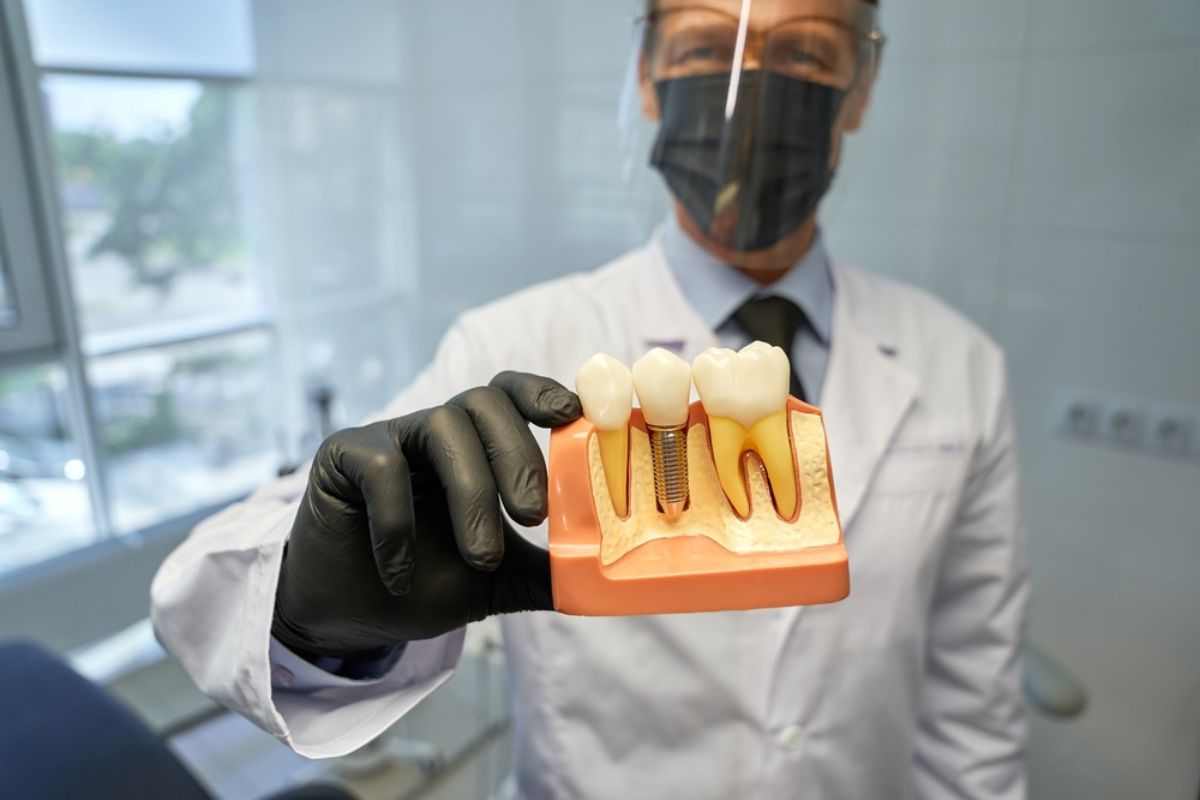
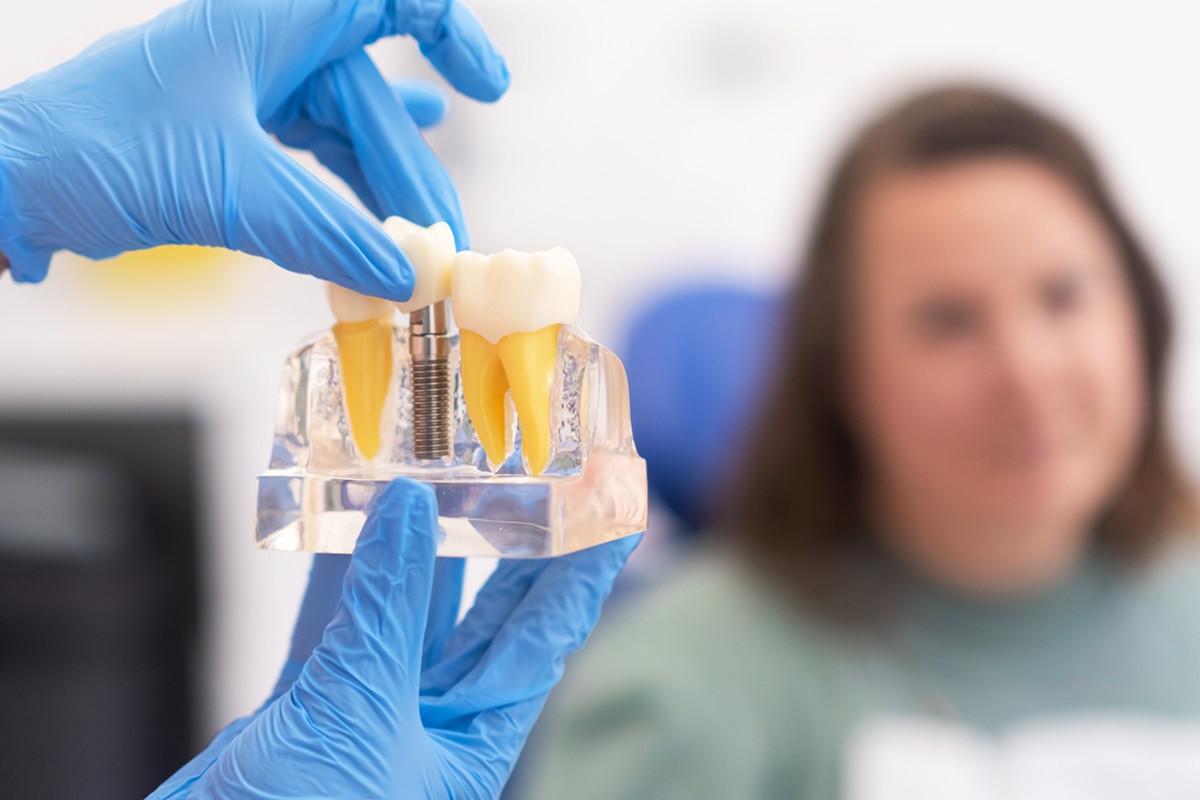
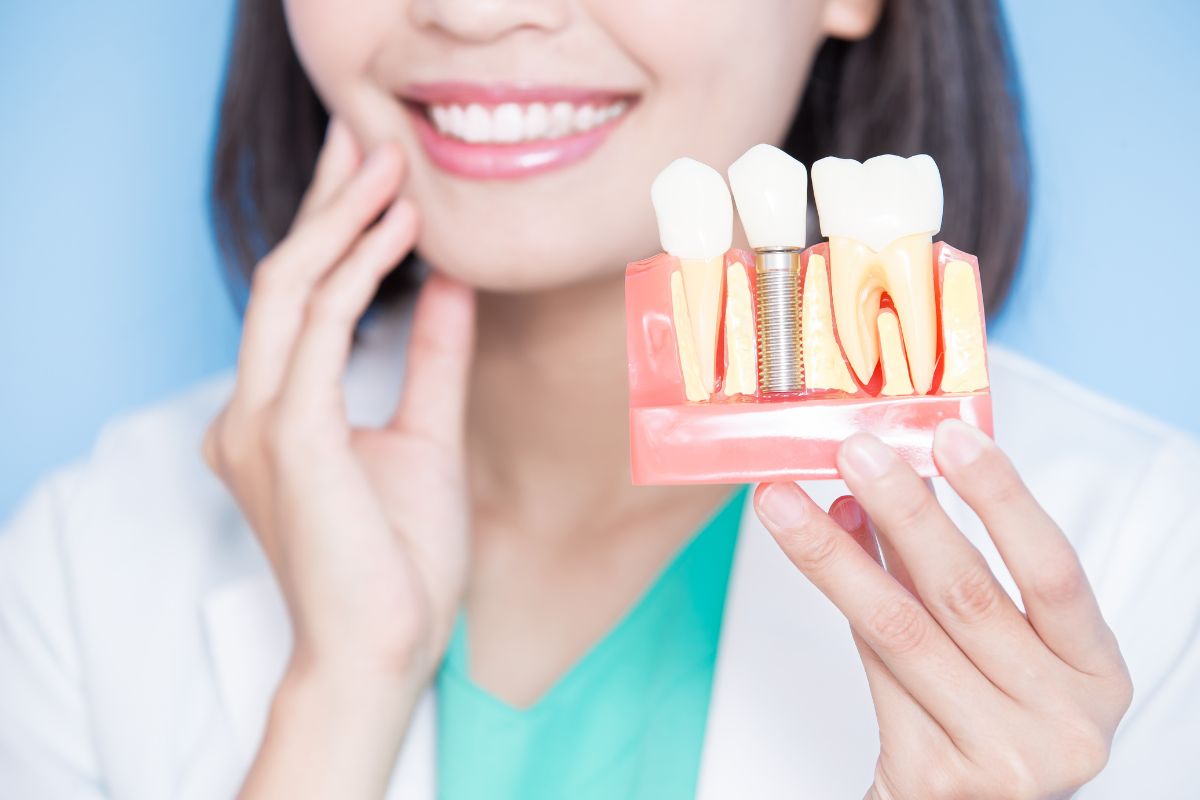
While the initial discomfort subsides relatively quickly, osseointegration is crucial to dental implant healing. This is where the titanium implant post, which has been surgically placed into your jawbone, fuses with the surrounding bone tissue. Think of it like the bone growing around and locking the implant firmly in place, creating a stable foundation for your future artificial tooth (crown).
Osseointegration is a gradual process that takes time. For most people, significant osseointegration occurs within 3 to 6 months. However, this timeframe can vary depending on several factors, which we’ll discuss shortly. You might not feel much happening during this period, but your bone cells are growing and integrating with the implant surface at a microscopic level. This solid connection is what makes dental implants so strong and durable. If you want to learn more about this process and how it can benefit you, please visit our dental office for a comprehensive consultation.
Factors Influencing Healing Speed
Several factors can influence how quickly your dental implants heal:
- Individual Healing Capacity: Like with any injury, some people naturally heal faster than others. General health, age, and immune system function play a role.
- Bone Density and Quality: The density and quality of your jawbone are crucial for successful osseointegration. If your bone is less dense, the process might take longer, and in some cases, bone grafting procedures may be necessary before implant placement.
- Surgical Technique: Your dental surgeon’s skill and experience can impact the healing process. Precise implant placement minimizes trauma and promotes faster healing.
- Number of Implants: While not always a direct correlation, having multiple implants placed at once slightly extends the overall healing time compared to a single implant.
- Location of the Implant: Implants placed in the lower jaw (mandible) tend to heal slightly faster than those in the upper jaw (maxilla) due to the denser bone structure in the mandible.
- Following Post-Operative Instructions: As mentioned earlier, diligently following your dentist’s instructions regarding diet, hygiene, and rest is paramount for optimal healing.
- Underlying Health Conditions: Certain medical conditions, such as uncontrolled diabetes or autoimmune diseases, can slow healing. Smoking also significantly hinders healing and increases the risk of implant failure.
The Final Touches: Abutment and Crown Placement
Once your dentist determines that osseointegration is complete and the implant is stable, the next stage involves attaching an abutment. This small connector piece links the implant post and the final artificial tooth (crown). The gum tissue around the abutment will need a short period to heal, usually a few weeks.
Finally, the custom-made crown is attached to the abutment, completing your new smile. At this point, the implant has fully healed and is ready to function like a natural tooth.
Patience Is Key to a Lasting Smile
While the initial recovery after dental implant surgery is relatively short, the crucial process of osseointegration takes several months. Understanding this timeline and the factors influencing it will help you approach the process with realistic expectations. By diligently following your dentist’s instructions and maintaining good oral hygiene, you’ll be well on your way to enjoying the long-term benefits of a healthy and beautiful smile supported by your securely healed dental implant. If you’re ready to take the first step toward a permanent smile solution, don’t hesitate to book an appointment with our experienced dental team today. Remember, patience during healing is an investment in a lifetime of confident smiles.