
Oral health often gets overlooked until problems like toothaches or bleeding gums demand attention. Many people assume brushing once a day or skipping dental checkups isn’t a big deal. However, research shows that poor oral hygiene can have far-reaching consequences—not just for your smile but also for your overall health. Let’s explore why ignoring your teeth and gums is riskier than you may realize.
The Mouth-Body Connection: Why Oral Health Matters
Your mouth is more than just a gateway for eating and speaking—it’s also a window into your overall health. Bacteria thrive in the oral cavity, and without proper care, they can multiply, leading to gum infections, cavities, and even systemic illnesses. Studies have linked oral health to conditions like heart disease, diabetes, and respiratory issues, proving that what happens in your mouth doesn’t stay there.
Common Consequences of Neglecting Oral Health
1. Tooth Decay and Cavities
Skipping brushing and flossing allows food particles and bacteria to build up, producing acids that erode enamel. Over time, this causes cavities, tooth pain, and even tooth loss if left untreated.
2. Gum Disease (Periodontitis)
Neglecting oral hygiene often leads to gingivitis—the earliest stage of gum disease. If untreated, it can progress to periodontitis, which damages the tissues and bones supporting your teeth. This condition is the leading cause of tooth loss in adults.
3. Bad Breath (Halitosis)
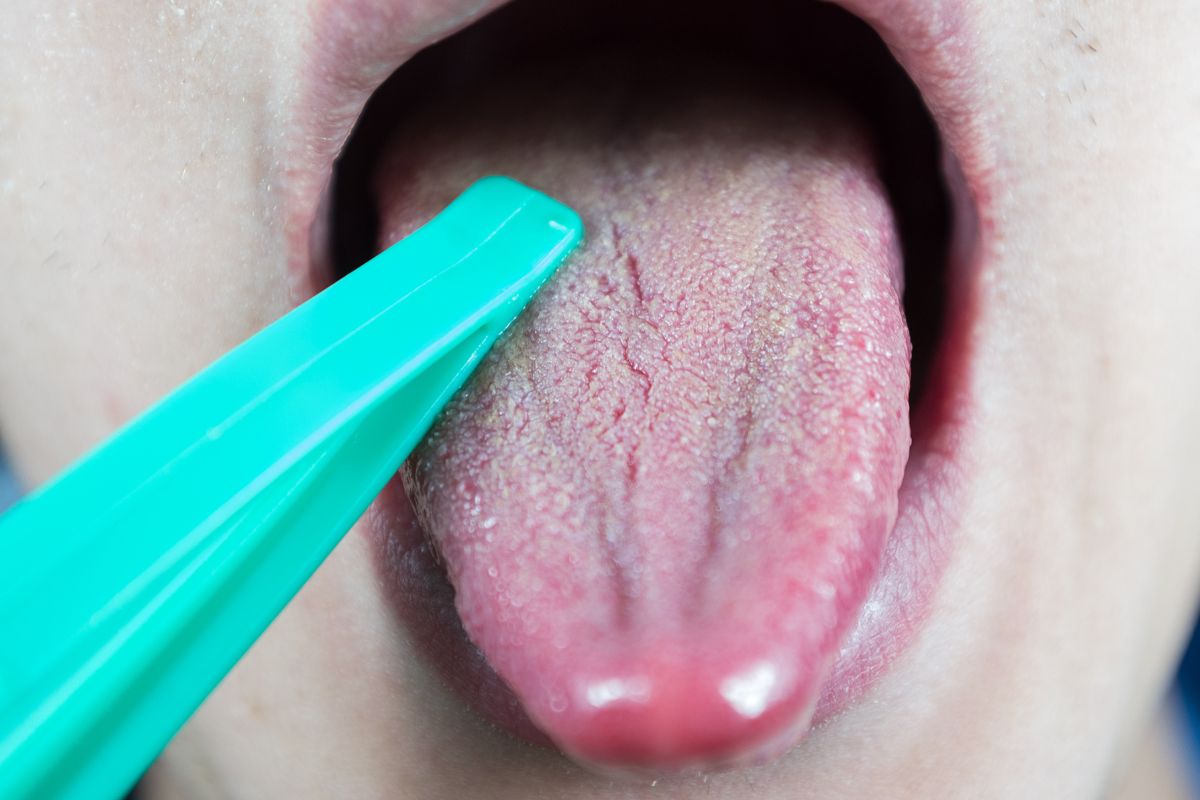
Persistent bad breath is usually a sign of poor oral hygiene. Bacteria trapped on the tongue and gums release foul-smelling compounds, making halitosis both a social and a health concern.
4. Tooth Loss and Shifting Teeth
Once gum disease or decay progresses, teeth may loosen and fall out. Missing teeth can also cause neighboring teeth to shift, affecting bite alignment and even speech.
The Hidden Dangers: How Oral Health Affects the Rest of the Body
Oral Health and Heart Disease
Bacteria from gum disease can enter the bloodstream, causing inflammation in blood vessels. This increases the risk of heart disease, clogged arteries, and even stroke. Research suggests that people with gum disease are nearly twice as likely to develop cardiovascular problems.
Diabetes and Oral Health
There’s a two-way relationship between diabetes and gum disease. Poorly managed blood sugar worsens gum infections, while gum disease makes it harder to control glucose levels. This creates a vicious cycle that impacts both dental and overall health.
Respiratory Problems
Inhaling bacteria from infected gums and teeth can contribute to respiratory conditions like pneumonia and chronic bronchitis. For older adults and those with weakened immunity, this can be especially dangerous.
Pregnancy Complications
Pregnant women with untreated gum disease face higher risks of premature birth, low birth weight, and other complications. Maintaining oral health during pregnancy is critical for both mother and baby.
If you’re unsure about your risk factors or need guidance on prevention, a qualified dentist can help identify early warning signs and create a personalized treatment plan.
Lifestyle Impacts of Poor Oral Health
Beyond medical risks, neglecting oral care affects day-to-day life:
- Confidence and Self-Esteem: Discolored, damaged, or missing teeth can make people self-conscious, affecting social and professional interactions.
- Nutrition: Painful or missing teeth limit food choices, leading to poor nutrition and digestive issues.
- Financial Burden: Restorative treatments like implants, crowns, or periodontal therapy are far more expensive than preventive care.
Signs You May Be Ignoring Your Oral Health
It’s easy to miss the warning signs until problems worsen. Watch out for:
- Bleeding gums when brushing or flossing
- Persistent bad breath
- Sensitivity to hot or cold foods
- Loose or shifting teeth
- Dry mouth or frequent mouth sores
If you notice any of these, it’s time to see a dentist.
How to Protect Your Oral and Overall Health
Daily Habits That Make a Difference
- Brush your teeth twice daily with fluoride toothpaste.
- Floss once a day to remove plaque between teeth.
- Use an antimicrobial mouthwash for added protection.
- Replace your toothbrush every three months.
Regular Dental Checkups
Seeing a dentist every six months allows for professional cleaning and early detection of issues before they become serious. Don’t wait for pain to strike—visit our dental office to maintain healthy teeth and gums year-round.
Balanced Lifestyle Choices
- Eat a nutrient-rich diet low in sugary snacks and drinks.
- Stay hydrated to promote saliva flow.
- Avoid tobacco and limit alcohol use, as both increase oral health risks.
Final Thoughts
Neglecting oral health isn’t just about cavities or bad breath—it can trigger a chain reaction that affects your entire body. From heart disease to diabetes complications, the dangers go far beyond your smile. The good news? Simple daily care, combined with routine dental visits, can protect not just your teeth but also your overall well-being.
Taking care of your mouth is one of the best investments you can make in your long-term health. Don’t wait until problems arise—book an appointment today and take the first step toward a healthier smile and a healthier life.