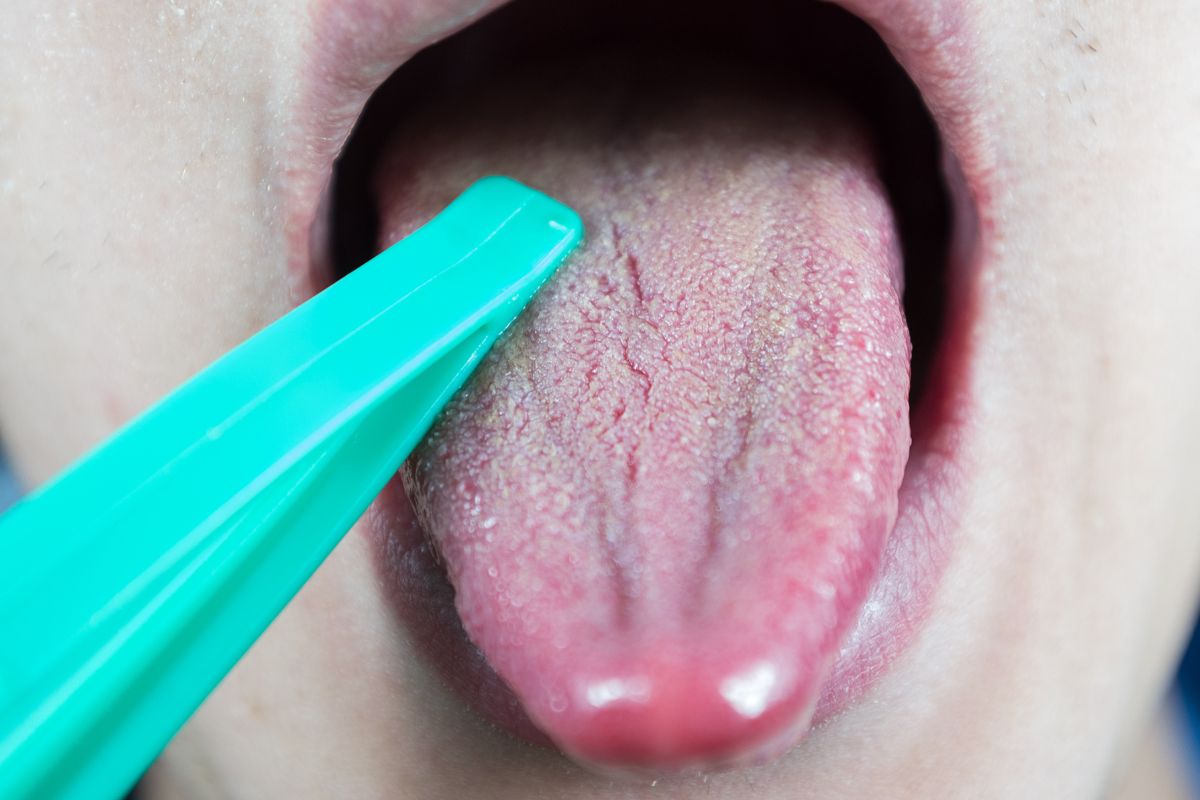

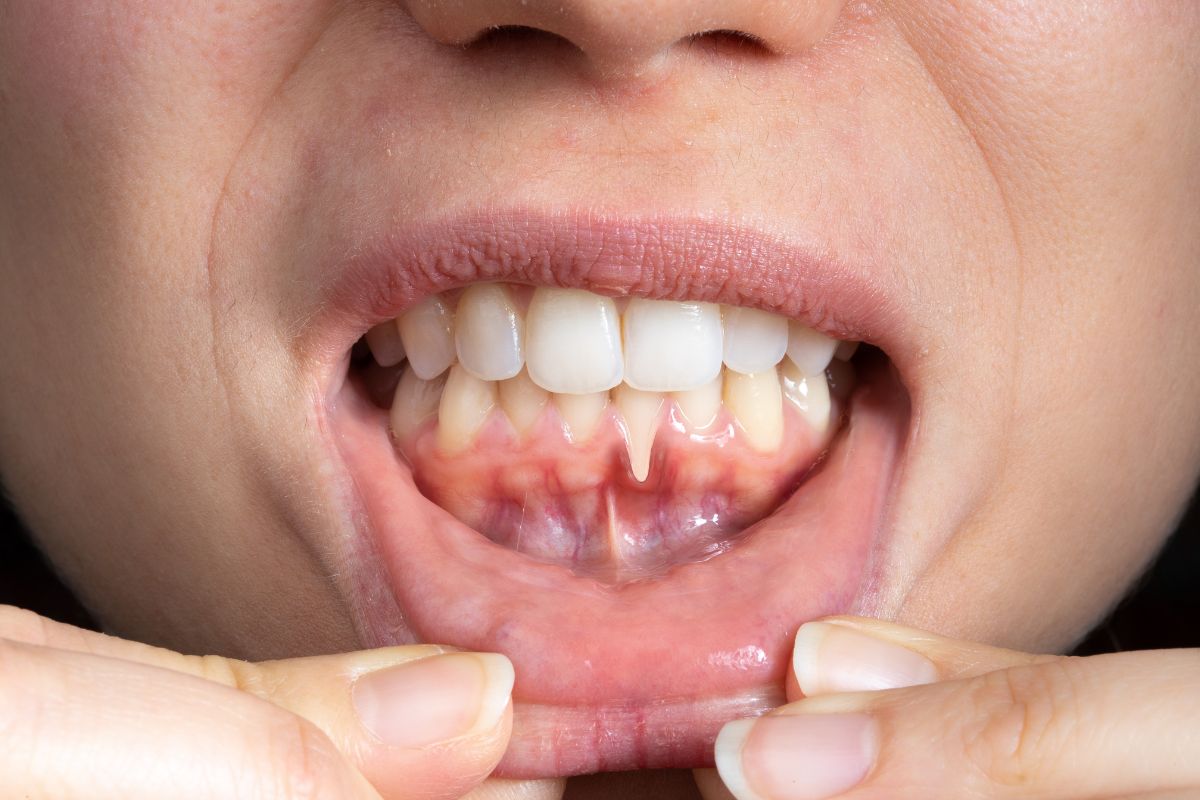
Discovering that the skin inside your mouth is peeling can be an alarming experience. You might notice white flaking, stringy tissues sloughing off after brushing, or sensitive patches along your baseline. If you have ever looked in the mirror and wondered, “Why are my gums peeling?” you are not alone.
At Gold Coast Family Dental of Port Washington, this is a symptom we evaluate quite frequently. While the sensation of peeling oral tissue can be uncomfortable or unnerving, it is often a reaction to external irritants, lifestyle factors, or underlying dental conditions that can be easily managed.
To help you understand what might be happening inside your mouth, let’s explore the most common reasons your gums might be peeling, how a professional can help, and when it is time to search for a trusted dentist in Port Washington.
Understanding Oral Epithelial Desquamation
In the dental world, the shedding or peeling of the outermost layer of your gums and oral tissue is known as epithelial desquamation. Just like your skin sheds dead cells, the lining of your mouth (the mucosa) continuously renews itself. However, when accelerated peeling occurs, it means the delicate tissue has been compromised, irritated, or injured.
Because the tissue inside your mouth is incredibly sensitive, even minor changes to your daily routine can trigger this shedding process. Let’s look at the primary culprits behind this phenomenon.
1. Adverse Reactions to Toothpaste or Mouthwash
One of the most frequent reasons patients experience peeling tissue is a reaction to their oral hygiene products. Many popular over-the-counter toothpastes and mouthrinses contain harsh chemicals or strong flavoring agents that can trigger contact stomatitis, essentially an allergic reaction or chemical irritation of the oral lining.
Common ingredients that cause peeling include:
- Sodium Lauryl Sulfate (SLS): A foaming agent found in many toothpastes that can dry out and irritate sensitive oral tissues.
- Tartar Control Agents: Pyrophosphates used to prevent tartar buildup can be highly abrasive to the delicate mucosa.
- Strong Flavoring Oils: Intense cinnamon, mint, or wintergreen flavorings can cause a mild chemical burn or sensitivity reaction in some individuals.
If you notice a stringy white film peeling away shortly after you brush, your toothpaste might be the main suspect. Swapping to an SLS-free, mild formula often resolves the issue within a few days.
2. Minor Chemical or Thermal Burns
Have you recently eaten a slice of pizza that was just a bit too hot? Or perhaps you held an aspirin tablet against an aching tooth?
- Thermal Burns: Hot foods and liquids can easily scald the thin tissue covering your gums and palate. A day or two after the burn, the damaged tissue will blister, die, and peel away, much like a mild sunburn.
- Chemical Burns: Holding medications (like aspirin or whitening gels) directly against the gums can cause chemical tissue damage, leading to a localized white, peeling patch.
3. Gingivitis and Periodontal Disease
When plaque and tartar accumulate along the gumline, the bacteria produce toxins that trigger an inflammatory response. This early stage of gum disease is called gingivitis.
As inflammation intensifies, the gum tissue becomes red, swollen, and weak. In some cases, the severe inflammation can cause the superficial layers of the gum tissue to break down and peel. If left untreated, gingivitis can progress to advanced periodontal disease, endangering the bone structure supporting your teeth. Regular cleanings with a qualified dentist are the best defense against this type of tissue degradation.
4. Autoimmune Conditions (Desquamative Gingivitis)
If the peeling is chronic, widespread, painful, and leaves raw, red areas underneath, it may be linked to an autoimmune or dermatological condition. When these conditions manifest in the mouth, dentists often refer to the clinical presentation as desquamative gingivitis.
Conditions that can cause this include:
- Oral Lichen Planus: A chronic inflammatory condition that can cause white, lacy patches, painful sores, or peeling tissues.
- Pemphigoid and Pemphigus: Rare autoimmune blistering disorders that cause the superficial layers of skin and mucous membranes to separate and peel away.
These conditions require careful diagnosis and a customized management plan from a dental professional to keep symptoms controlled.
5. Nutritional Deficiencies and Dehydration
Your oral tissues rely on a steady supply of vitamins and minerals to regenerate properly. A severe deficiency in B-complex vitamins (such as B12, folate, or riboflavin), Vitamin C, or Iron can compromise the integrity of your oral mucosa, making it fragile and prone to sloughing.
Additionally, chronic dehydration or dry mouth (xerostomia) reduces the protective layer of saliva in your mouth, leaving tissues vulnerable to friction, irritation, and subsequent peeling.
What to Do If Your Gums Are Peeling
If you notice tissue peeling away inside your mouth, don’t panic. Take these proactive steps at home while you prepare to see a professional:
- Switch Your Toothpaste: Move to a sensitive formula that is free of SLS, whitening agents, and intense flavorings.
- Hydrate Frequently: Drink plenty of water throughout the day to keep your oral tissues lubricated.
- Avoid Irritants: Steer clear of crunchy, sharp, highly acidic, spicy, or scalding-hot foods until your gums heal.
- Do Not Pick at the Tissue: Avoid pulling or scratching at peeling tissue, as this can leave raw areas exposed to secondary bacterial infections.
When to Visit Our Dental Office
While a mild burn or a reaction to a new mouthwash might clear up on its own within a week, persistent peeling should never be ignored. You should make it a priority to visit our dental office if you experience any of the following:
- The peeling lasts for more than 10 to 14 days.
- The peeling is accompanied by severe pain, bleeding, or open sores.
- You notice red, raw, or bleeding areas beneath the peeling skin.
- The issue makes it difficult to eat, drink, or brush your teeth.
- You develop a fever or swollen lymph nodes.
Keep Your Smile Healthy with Gold Coast Family Dental of Port Washington
Your oral health is a vital window into your overall well-being. Peeling gums are your body’s way of signaling that something is off, whether it’s a simple sensitivity to an ingredient in your medicine cabinet or a sign that your oral health routine needs a professional upgrade.
If you are experiencing gum discomfort or unexplained tissue changes, you do not have to guess what is wrong. The experienced, compassionate team at Gold Coast Family Dental of Port Washington is here to provide personalized care in a comfortable, welcoming environment.
Don’t let oral discomfort get in the way of your peace of mind. Give your smile the expert attention it deserves and book an appointment with us today.
Frequently Asked Questions
1. Is it normal for my gums to peel after using a teeth whitening kit?
No, it is not ideal. Teeth whitening gels contain peroxide, which can cause a chemical burn if it comes into prolonged contact with your gums. If your gums turn white and begin to peel after whitening, stop using the product immediately and rinse your mouth with warm water. Ensure future trays fit properly, or consider a professional, safely monitored whitening treatment instead.
2. Can stress cause my gums to peel?
Stress itself doesn’t directly cause peeling gums, but it can weaken your immune system, making you more susceptible to conditions like oral lichen planus or canker sores. Stress also increases habits like cheek biting, aggressive brushing, or teeth grinding, which can physically irritate the delicate tissues of your mouth.
3. How does a dentist diagnose peeling gums?
Your dentist will perform a comprehensive visual examination of your oral cavity, review your medical history, and ask about your current medications and hygiene products. If an autoimmune condition or unusual infection is suspected, they may recommend a small tissue biopsy or refer you to a specialist for comprehensive lab work.
4. Will peeling gums fix themselves?
If the peeling is caused by a minor thermal burn or a sudden reaction to a new toothpaste, the tissue will typically regenerate and heal within a week once the irritant is removed. However, if the cause is gum disease or an underlying medical condition, it will not resolve without professional dental intervention.