
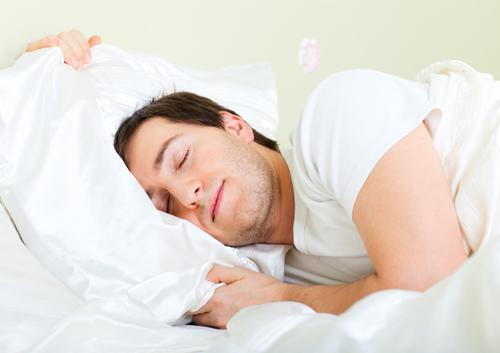
Sleep is not merely a rest period; it’s a vital process for rejuvenating the body, including your mouth. However, for the millions of people unknowingly suffering from Sleep Apnea, especially the most common form, Obstructive Sleep Apnea (OSA), this restorative cycle is hijacked. OSA, characterized by repeated pauses in breathing during sleep, is typically associated with snoring and daytime fatigue, but its profound and often overlooked impact on your dental health is a major concern that demands attention. Choosing an experienced dentist who understands this connection is the first step to better health.
Understanding the Oral Health Fallout
The struggle to breathe during sleep triggers a chain reaction that directly damages your teeth, gums, and jaw. Dentists are often the first healthcare professionals to spot the tell-tale signs of this insidious disorder, making routine checkups a critical line of defense.
1. The Vicious Cycle of Dry Mouth (Xerostomia)
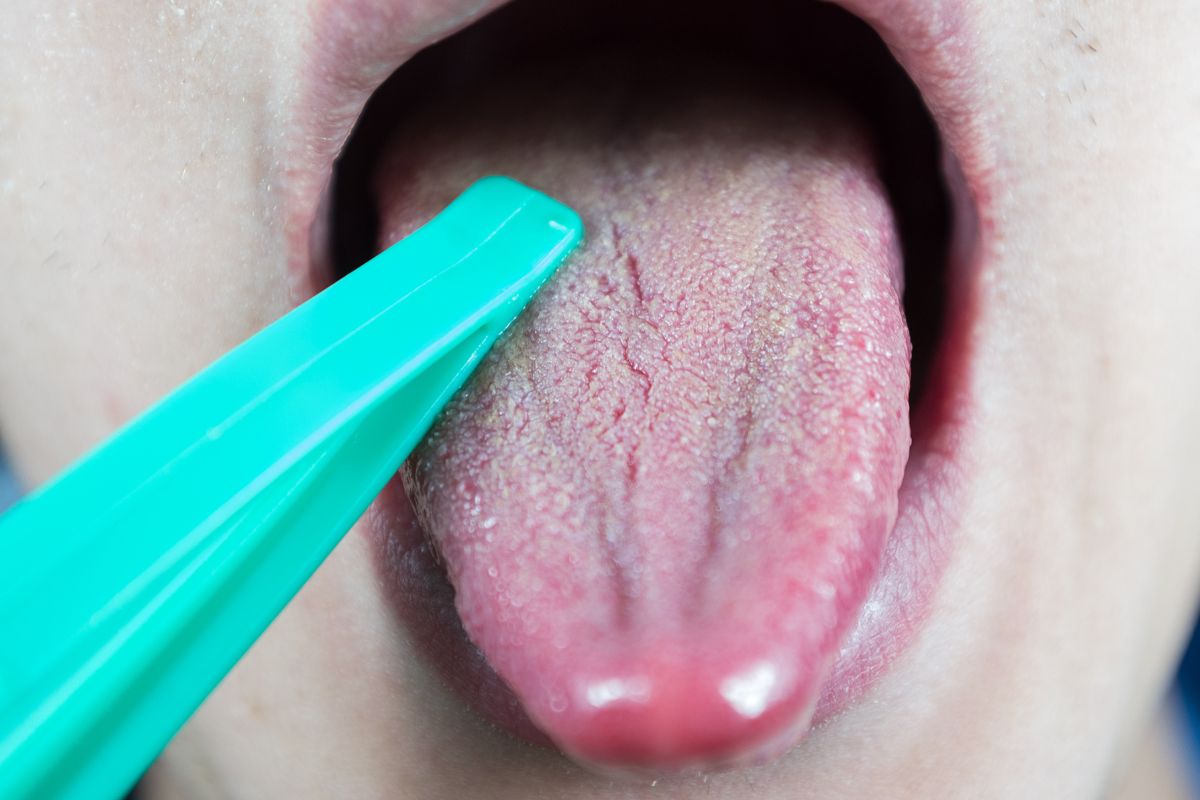
A blocked airway forces individuals with sleep apnea to breathe through their mouths. This chronic mouth breathing dramatically reduces the production and flow of saliva, leading to a condition known as xerostomia, or dry mouth.
- Increased Risk of Cavities: Saliva is nature’s protective shield, neutralizing harmful acids, washing away food particles, and supplying essential minerals to tooth enamel. Without adequate saliva, your mouth becomes a prime breeding ground for bacteria, skyrocketing your risk of dental caries (cavities) and tooth decay.
- Gum Disease Escalation: Lack of saliva allows plaque to accumulate rapidly, irritating the gums and leading to gingivitis (early gum disease). This can quickly progress to more severe and damaging periodontitis, an inflammatory condition that can destroy the bone supporting teeth and ultimately lead to tooth loss.
- Chronic Halitosis: Dry mouth is a common cause of persistent bad breath (halitosis) because saliva does not perform its necessary cleansing action.
2. Bruxism and Jaw Damage: The Airway’s SOS Signal
One of the most destructive dental manifestations of sleep apnea is bruxism, the involuntary clenching or grinding of teeth during sleep. Research suggests that this grinding is not a separate habit but often the body’s unconscious attempt to open the collapsed airway. By forcing the jaw forward or sideways, the body tries to relieve the obstruction and resume breathing—a mechanism called an “arousal.”
- Severe Tooth Wear and Fractures: Repetitive, forceful grinding wears down the protective enamel layer of your teeth, leading to increased sensitivity, chipping, cracking, and in severe cases, tooth loss.
- TMJ Disorders: Chronic, forceful muscle tension and jaw repositioning can strain the Temporomandibular Joints (TMJ), which connect the jawbone to the skull. This often results in chronic jaw pain, headaches, difficulty chewing, and clicking or popping sounds when moving the jaw.
The Inflammation Connection and Modern Alignment
The connection between sleep apnea and periodontal disease is further reinforced by a shared biological mechanism: systemic inflammation. Sleep apnea causes frequent drops in blood oxygen levels, called intermittent hypoxia, which triggers a stress and inflammatory response throughout the body.
This chronic, low-grade inflammation can exacerbate gum disease or make the gums more susceptible to infection, speeding up tissue and bone destruction. This creates a damaging bidirectional relationship where OSA worsens gum disease, and the infection, in turn, may worsen the overall systemic inflammation.
The Dentist’s Crucial Role: Detection and Solutions
Your dental team is uniquely positioned to screen for sleep apnea, often noticing signs like excessive tooth wear, dry mouth symptoms, a high-arched palate, a recessed jaw, or an enlarged tongue.
If sleep apnea is suspected, an experienced dentist will typically recommend a formal sleep study. For patients with mild to moderate OSA, dentists can provide a specialized, custom-fitted solution: Oral Appliance Therapy (OAT).
- Mandibular Advancement Devices (MADs): These custom devices, worn like a mouthguard, gently shift the lower jaw and tongue forward. This repositioning helps to keep the airway open, which not only treats the sleep apnea but also often eliminates the underlying cause of bruxism and dry mouth.
Addressing the root cause—sleep apnea—is the most effective way to halt the progressive damage to your oral health. We encourage you to visit our dental office soon to learn about treatment options.
Protect Your Smile and Your Health
Sleep apnea is a serious health condition that can quietly destroy your smile and compromise your overall well-being. You must talk to your dentist or physician if you experience chronic loud snoring, teeth grinding, or wake up with a dry mouth or jaw pain. Early diagnosis and collaborative treatment between your sleep specialist and dental professional can restore restorative sleep, protect your teeth and gums, and safeguard your health for years. Don’t let the silent pauses of sleep apnea steal your health—take action today. Ready to take the next step toward a healthier smile and better sleep? Book an appointment with us now.