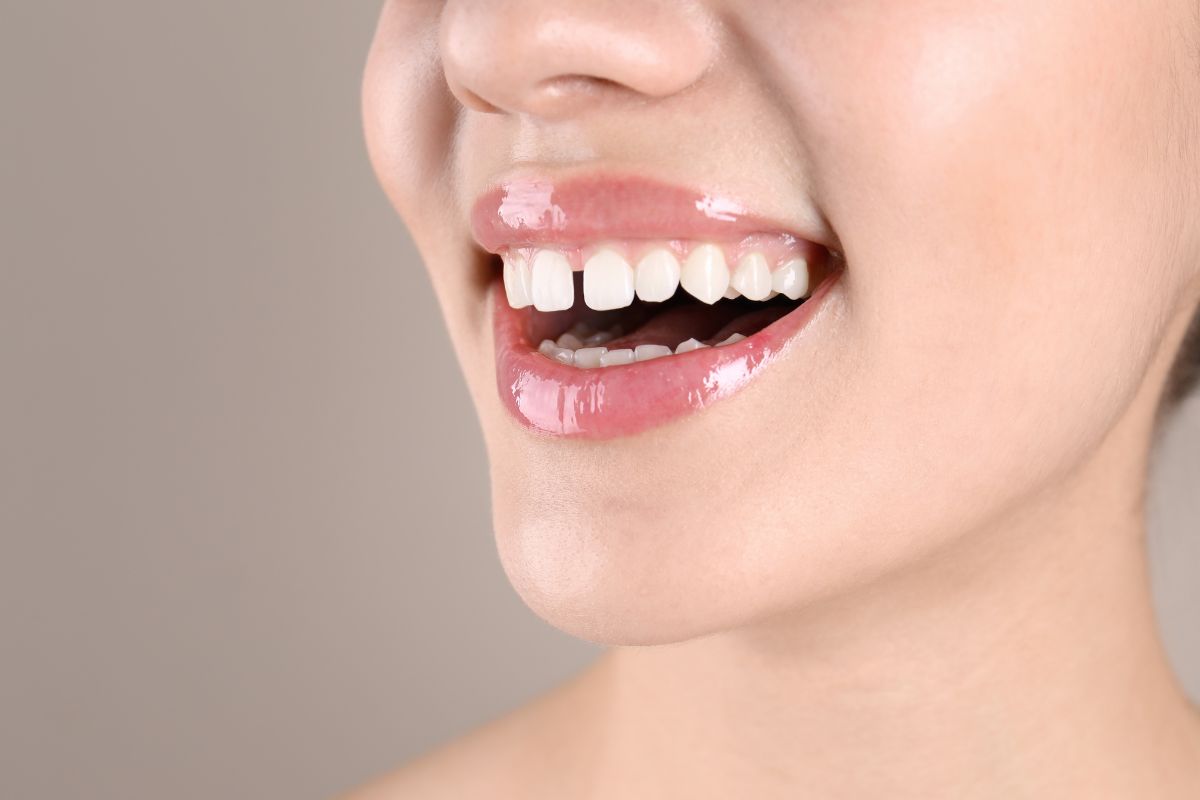


If you wake up with a sore jaw, frequent headaches, or sensitive teeth, you might be grinding or clenching your teeth—also known as bruxism. Many people grind their teeth during sleep without realizing it, and over time, this habit can cause serious damage to their teeth and jaw.
The good news is that a qualified dentist can help identify the cause of teeth grinding and recommend solutions that protect your smile. With the right dental care, you can reduce discomfort, prevent further damage, and improve your overall oral health.
Let’s take a closer look at why teeth grinding happens and how a dentist can help you stop it.
What Is Teeth Grinding (Bruxism)?
Teeth grinding, or bruxism, occurs when you clench or grind your teeth unconsciously. It often happens during sleep but can also occur during the day, especially during periods of stress.
Common symptoms of bruxism include:
- Jaw pain or tightness
- Morning headaches
- Worn, flattened, or chipped teeth
- Tooth sensitivity
- Facial pain or earaches
- Clicking or discomfort in the jaw joint
If untreated, bruxism can lead to significant tooth damage, fractures, or temporomandibular joint (TMJ) problems.
Why Do People Grind Their Teeth?
There isn’t always a single cause of teeth grinding. Instead, it often results from several contributing factors.
Stress and Anxiety
Emotional stress is one of the most common triggers. When people are tense or anxious, they may clench their jaws unconsciously.
Sleep Disorders
Conditions such as sleep apnea can increase the risk of nighttime grinding.
Bite Problems
Misaligned teeth or an uneven bite can cause the jaw to move improperly, leading to grinding.
Lifestyle Factors
Caffeine, alcohol, smoking, and certain medications may increase the likelihood of bruxism.
An expert dentist can examine your teeth and jaw to determine the underlying cause and recommend personalized treatment.
How a Dentist Diagnoses Teeth Grinding
Many patients don’t realize they grind their teeth until their dentist notices signs during a routine checkup.
During your visit, the dentist may:
- Examine your teeth for signs of wear.
- Check for cracks, chips, or enamel loss.
- Evaluate jaw tenderness and muscle tension.
- Review your symptoms and sleep habits.
Regular dental exams are often the best way to detect bruxism early and prevent long-term damage.
Treatments a Dentist May Recommend
Fortunately, there are several effective treatments available to protect your teeth and relieve symptoms.
Custom Night Guards
One of the most common solutions is a custom mouthguard, also known as an occlusal guard.
This appliance is worn during sleep and works by:
- Creating a protective barrier between your teeth
- Reducing pressure on the jaw
- Preventing tooth wear and fractures
Custom night guards made by your dentist typically fit better and provide more protection than store-bought options.
Bite Adjustment or Orthodontic Treatment
If grinding is caused by a misaligned bite, your dentist may recommend:
- Minor bite adjustments
- Orthodontic treatment
- Clear aligners or braces
Correcting bite problems can reduce strain on the jaw and help prevent grinding.
Restorative Dental Treatments
If teeth have already been damaged by grinding, restorative procedures may be necessary.
These may include:
- Dental bonding
- Crowns
- Fillings
- Veneers
These treatments help restore the function and appearance of damaged teeth.
Stress Management Strategies
Because stress is a common trigger for bruxism, dentists may recommend lifestyle changes such as:
- Relaxation techniques
- Exercise or meditation
- Improved sleep habits
- Limiting caffeine before bed
Reducing stress can significantly lower the frequency of grinding episodes.
Jaw Exercises and Behavioral Changes
Your dentist may also recommend exercises that relax the jaw muscles and help you maintain proper jaw positioning.
Examples include:
- Gentle jaw stretches
- Relaxation exercises
- Awareness training to reduce daytime clenching
These techniques can help retrain your muscles and reduce grinding over time.
What Happens If Teeth Grinding Is Left Untreated?
Ignoring bruxism can lead to several oral health problems, including:
- Severe tooth wear
- Cracked or fractured teeth
- Gum recession
- Chronic headaches
- TMJ disorders
- Difficulty chewing
In advanced cases, patients may need extensive restorative treatments to repair damaged teeth.
Seeking professional dental care early can prevent these complications and save you time, discomfort, and expense.
Tips to Reduce Teeth Grinding at Home
While professional treatment is essential, there are a few steps you can take to reduce grinding habits:
- Avoid caffeine or alcohol before bedtime.
- Practice stress-relief techniques.
- Maintain a regular sleep schedule.
- Avoid chewing gum or hard foods.
- Apply a warm compress to relax jaw muscles.
However, if symptoms persist, it’s best to visit our dental office so a dentist can evaluate your condition.
Protect Your Smile with Professional Care
Teeth grinding can be frustrating and painful, but the right treatment can make a huge difference. With early diagnosis and personalized solutions, a trusted dentist can help protect your teeth and relieve your discomfort.
If you suspect you may be grinding your teeth, don’t wait for the problem to get worse. Visit our dental office to receive expert guidance and comprehensive dental care tailored to your needs. Contact our team today to book an appointment and take the first step toward a healthier, more comfortable smile.
FAQs
1. How do I know if I grind my teeth at night?
Many people don’t realize they grind their teeth until symptoms appear. Common signs include morning headaches, jaw soreness, and worn teeth.
2. Can teeth grinding damage my teeth permanently?
Yes. Long-term grinding can wear down enamel, crack teeth, and cause jaw problems if left untreated.
3. Do night guards really help with bruxism?
Yes. Custom night guards protect your teeth and reduce pressure on the jaw, making them one of the most effective treatments for bruxism.
4. Can stress cause teeth grinding?
Absolutely. Stress and anxiety are major triggers for bruxism, especially during sleep.
5. Is teeth grinding common?
Yes. Many adults and children grind their teeth occasionally, but chronic grinding should be evaluated by a dentist.
6. When should I see a dentist about teeth grinding?
If you experience jaw pain, tooth sensitivity, headaches, or worn teeth, it’s best to schedule a dental exam as soon as possible.